
Weather Tips for Effective Tree Pruning
Last updated: 2023-09-12
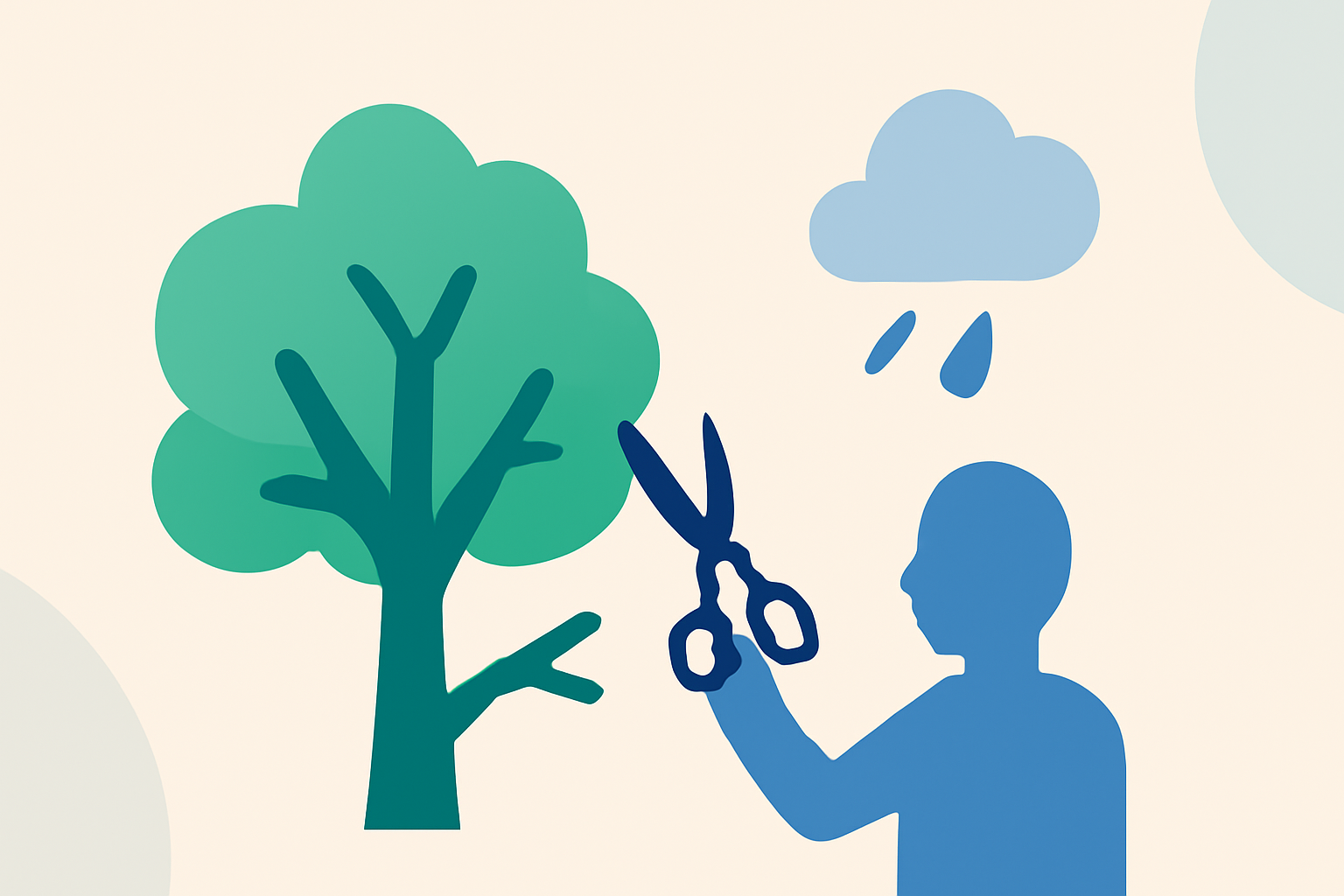
For effective tree pruning, understanding the right weather conditions is crucial. Generally, pruning should be done in the late dormant season to promote healthy tree growth. If summer pruning is unavoidable, be sure to avoid rainy or humid conditions to reduce disease risk.
Summary
- Prune trees during their late dormant season for optimal results.
- Summer pruning should be done cautiously, avoiding wet weather to prevent disease.
- Use local weather forecasts to choose the best time for pruning.
- Clime provides real-time weather data to assist in making informed decisions.
Why Timing Matters for Tree Pruning
Understanding when to prune is essential for successful tree health. Pruning during the right season allows trees to heal more effectively, minimizing stress and promoting vigorous growth.
- Late Dormant Season: Most experts agree that the best time for pruning is during the late dormant season, just before the buds begin to swell. This timing minimizes the risk of sap bleeding and helps wounds heal more quickly, allowing for stronger growth in the spring. (source)
Weather Conditions to Consider
Weather can significantly impact the success of pruning operations:
- Humidity and Moisture: Avoid pruning during rainy or humid conditions, as wet weather can promote disease in freshly cut wounds. It’s best to wait for a dry window to minimize these risks.(source)
- Temperature: Ideally, prune during mild weather when temperatures are above freezing but below 75°F. This prevents sap flow and minimizes stress on the tree.
Different Trees, Different Needs
Not all trees require the same weather conditions for pruning:
- Deciduous Trees: Generally benefit from late winter to early spring pruning, before new growth starts. This timing enhances flowering and fruiting.
- Evergreens: Can be pruned in late spring or early summer when the new growth has hardened off. Avoid winter pruning for these trees, as it can lead to damage during cold snaps.
Tools and Techniques for Pruning
Proper tools and techniques are crucial for effective pruning:
- Use Sharp Tools: Always use sharp, sanitized pruning shears to minimize the risk of disease transmission and to ensure clean cuts.
- Technique Matters: First, remove any dead or diseased branches, followed by shaping the tree by contouring the canopy without over-pruning.
Monitoring Local Weather with Clime
As you prepare for pruning, utilizing a reliable weather app can significantly enhance your strategy. Clime offers:
- Detailed weather forecasts with push notifications for severe weather alerts.
- Real-time updates to help you choose the best conditions for tree pruning.
- Visual NOAA-based maps to clearly observe weather changes in your local region.
Conclusion: What We Recommend
- Prune During Dormancy: Aim for the late dormant season to facilitate quick healing and minimize stress.
- Check the Forecast: Use Clime to ensure you select the best days for pruning with stable, dry weather.
- Choose the Right Trees: Consider the individual requirements of the trees you are pruning and adapt your timing accordingly.
- Employ Safe Techniques: Always use proper pruning techniques and sharp tools to reduce the risk of disease and promote healthy growth.