
Understanding Weather Watches and Warnings: Essential Information for Pollen Season
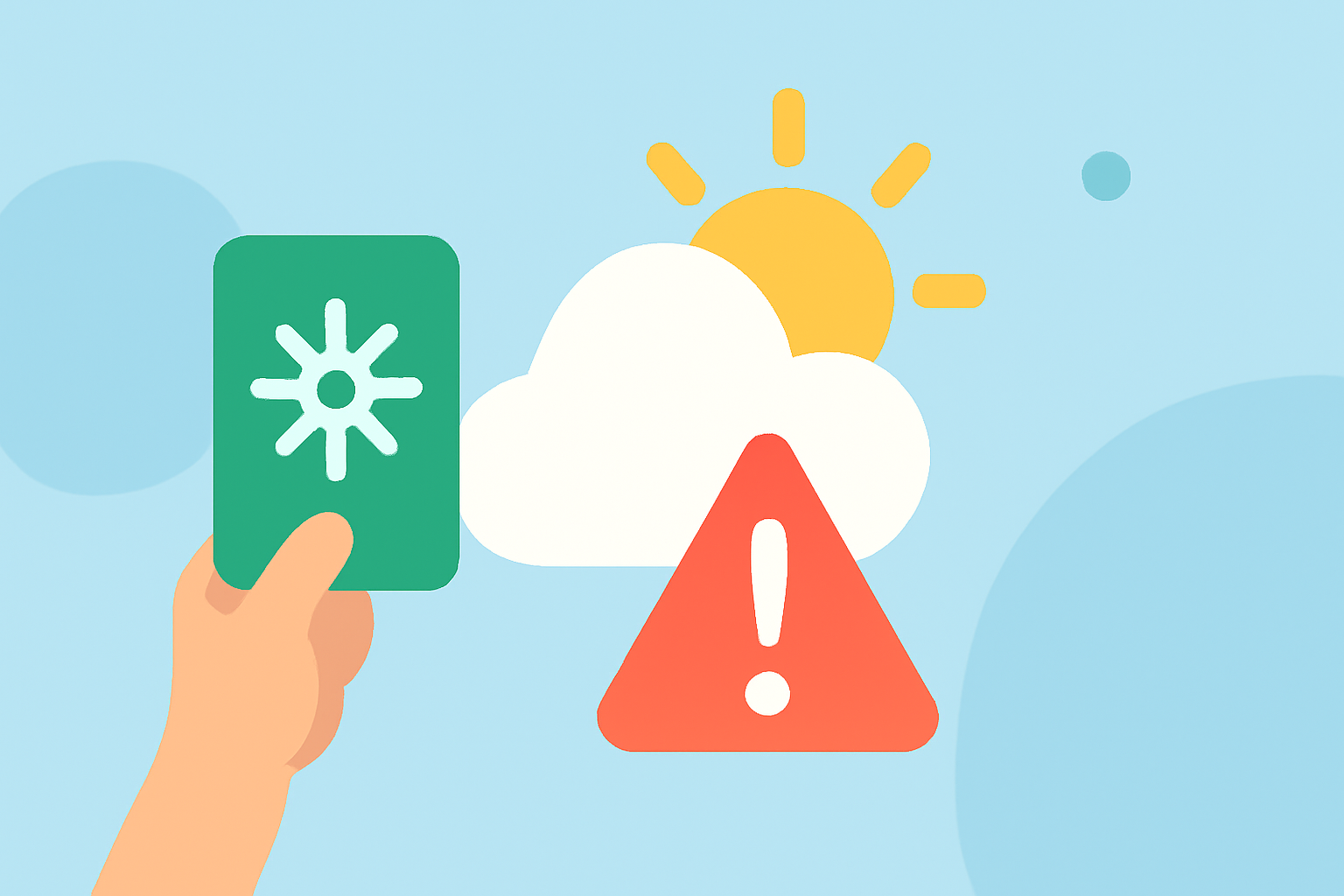
During pollen season, staying informed about weather conditions is crucial for managing allergies and ensuring your safety. Understanding the distinctions between weather watches and warnings can help you respond appropriately to changing conditions.
What Are Weather Watches and Warnings?
The National Weather Service (NWS) issues two primary types of alerts: watches and warnings.
-
Watch: Indicates that conditions are favorable for a specific weather event to occur. For example, a pollen watch means that pollen levels are expected to be high, and individuals with allergies should take precautions.
-
Warning: Signifies that a specific weather event is imminent or occurring. In the context of pollen, a warning would indicate that pollen levels have reached a threshold that could pose health risks.
How Do Watches and Warnings Differ?
The key difference lies in the timing and certainty of the event:
-
Watch: Issued when the risk of a hazardous weather or hydrologic event has increased significantly, but its occurrence, location, and/or timing is still uncertain. It provides enough lead time for individuals to set their plans in motion. (mapservices.weather.noaa.gov)
-
Warning: Issued when a hazardous weather or hydrologic event is occurring, is imminent, or has a very high probability of occurring. It is used for conditions posing a threat to life or property. (mapservices.weather.noaa.gov)
Common Mistakes to Avoid During Pollen Season
-
Ignoring Alerts: Always pay attention to pollen watches and warnings. Ignoring these alerts can lead to increased exposure and worsen allergy symptoms.
-
Underestimating Pollen Levels: Even on days that seem calm, pollen levels can be high. Assuming it's safe without checking can be detrimental.
-
Not Taking Precautions: Failing to follow recommended measures, such as staying indoors during peak pollen times or using air purifiers, can exacerbate health issues.
How Clime Can Help
Clime offers real-time pollen forecasts and alerts, ensuring you receive timely information about pollen levels in your area. By integrating Clime into your daily routine, you can make informed decisions to protect your health during pollen season.
By understanding the differences between weather watches and warnings and utilizing tools like Clime, you can effectively manage your health during pollen season.