
Weather Widget Customization Mistakes to Avoid for Non-Technical Users
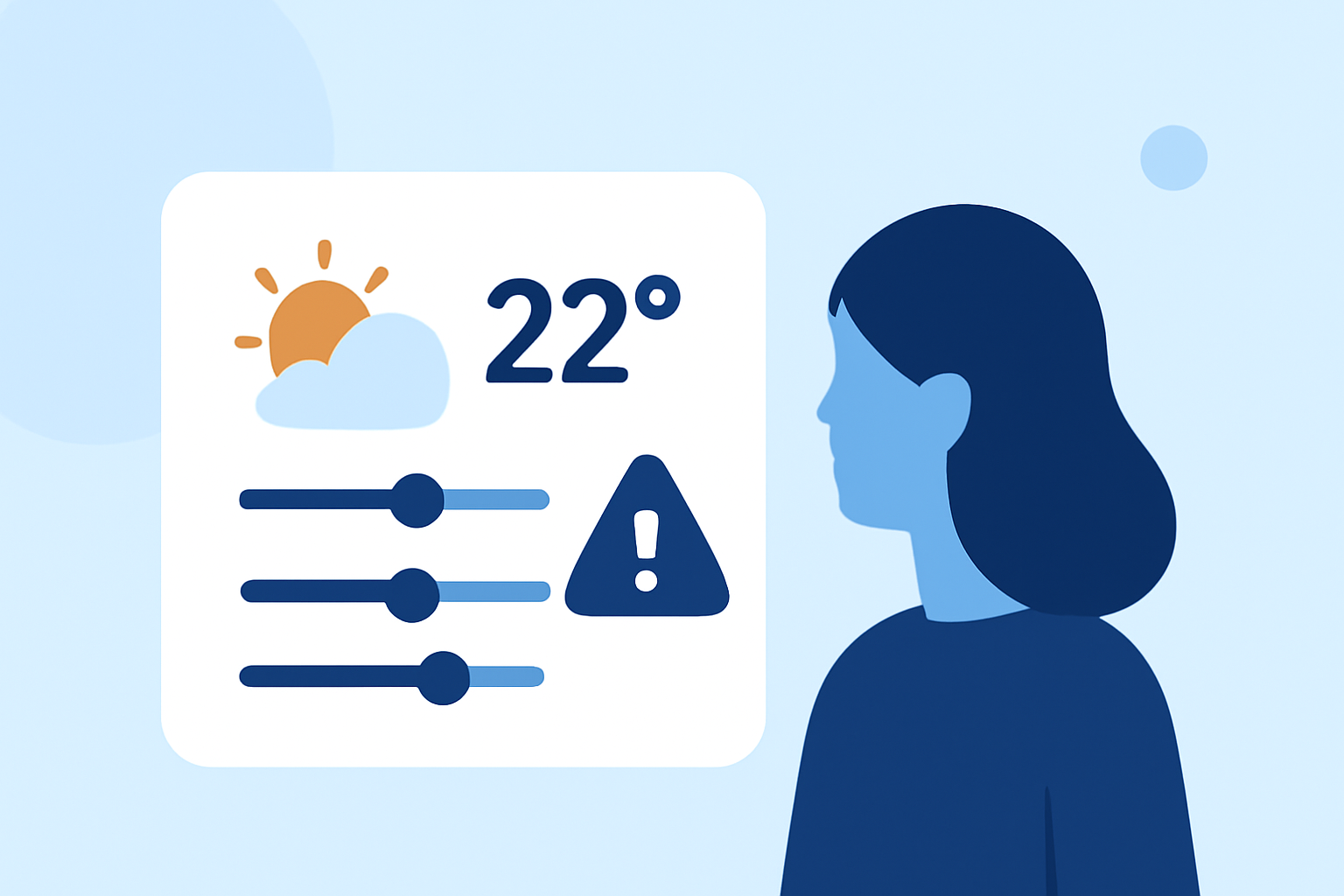
Weather widgets are a convenient way to display real-time weather information on your website or device. However, non-technical users often encounter challenges during customization. Understanding and avoiding common mistakes can lead to a more effective and user-friendly implementation.
1. Overloading the Interface with Multiple Widgets
Adding too many weather widgets to a single page can create clutter and confuse users. It's advisable to limit the number of widgets to maintain a clean and organized interface. (goweatherforecast.com)
2. Choosing Incompatible Widget Designs
Selecting widgets that don't align with your website's design or your audience's preferences can lead to a disjointed user experience. Opt for widgets that complement your site's aesthetics and are appropriate for your target audience. (goweatherforecast.com)
3. Neglecting Mobile Responsiveness
Many users access websites via mobile devices. Ensure that your weather widget is mobile-friendly and scales appropriately to different screen sizes to provide a seamless experience across all devices. (goweatherforecast.com)
4. Implementing Excessive Custom Styles
Over-customizing the widget with heavy CSS changes can disrupt its layout and functionality. It's important to make modifications that enhance the widget without compromising its performance. (goweatherforecast.com)
5. Incorrect Placement of Widget Code
Placing the widget code in the wrong section of your website's code can prevent it from loading correctly. Ensure that the widget code is inserted into the appropriate content block to function properly. (goweatherforecast.com)
6. Choosing Widgets That Slow Down Page Load Times
Some widgets may contain large scripts or external resources that can negatively impact your website's loading speed. Select lightweight widgets that do not compromise performance. (goweatherforecast.com)
7. Failing to Customize Widget Settings
Using default widget settings may not align with your website's style or meet your users' needs. Take the time to customize the widget's appearance and functionality to better fit your site and audience. (goweatherforecast.com)
8. Ignoring Location Accuracy
Ensure that the widget displays weather information for the correct location. Incorrect location settings can lead to user confusion and diminish the widget's usefulness. (compsmag.com)
9. Overlooking Update Frequency
Widgets that don't update frequently may display outdated information. Configure the widget to refresh at appropriate intervals to provide users with current weather data. (dev.training.dealerinspire.com)
10. Disregarding Privacy Settings
Be cautious about displaying sensitive information through the widget. Ensure that the widget's settings do not expose personal or confidential data to unauthorized users. (alibaba.com)
By being aware of these common mistakes and taking proactive steps to avoid them, non-technical users can effectively customize weather widgets that enhance user experience and align with their website's objectives.
Highlights:
- Rainmeter Weather Not Working? Here's How to Fix it - Tech News Today, Published on Tuesday, August 02
- 7+ Fixes: Android Weather Widget Not Working?, Published on Thursday, March 12turn0search7