
Understanding Weed Pollen Allergies in Pets: A Comprehensive Guide for Owners
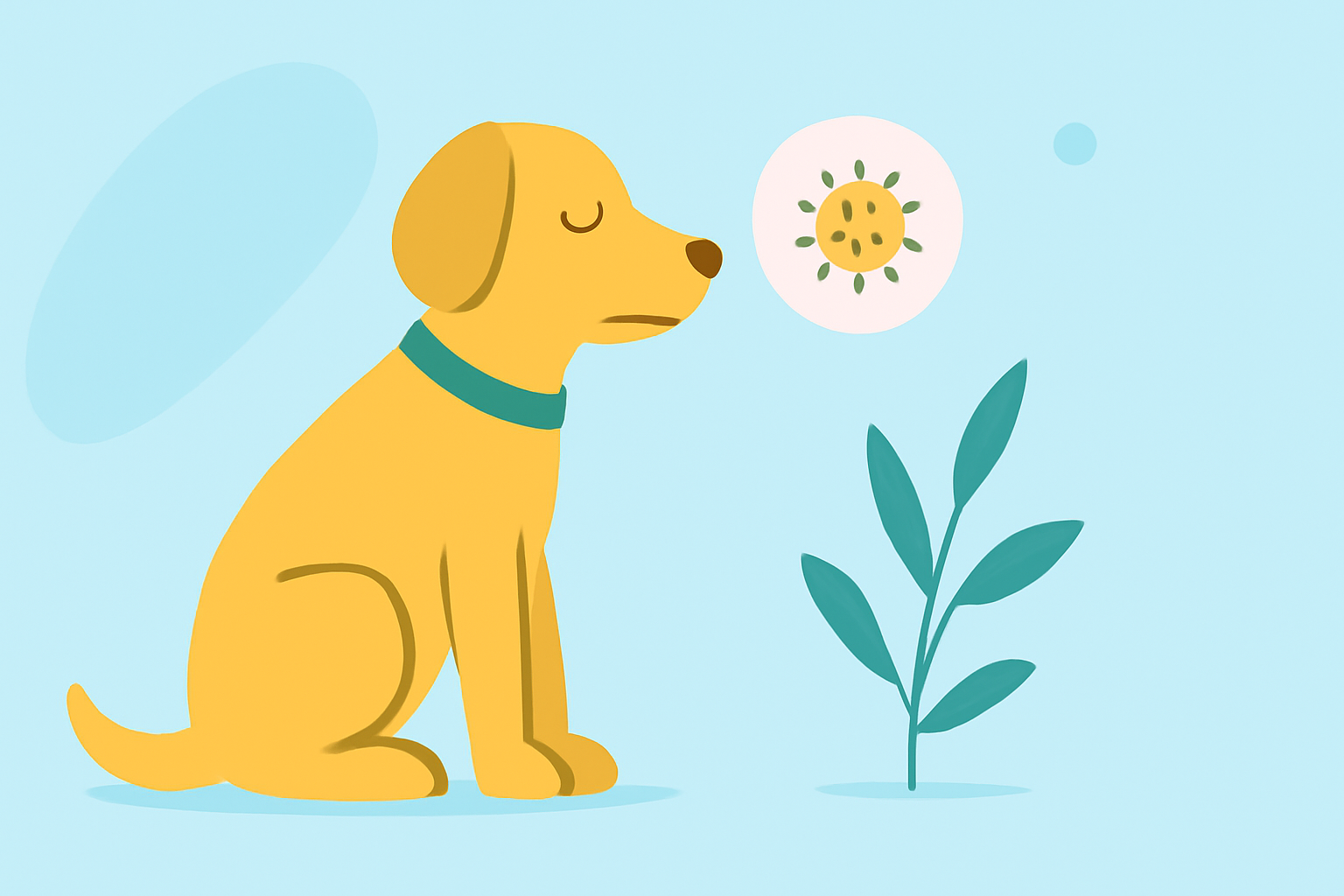
Weed pollen allergies are a common concern for pet owners, especially during late summer and fall when certain weeds release pollen into the air. Understanding how these allergies affect pets and implementing effective management strategies can help ensure your furry friends remain comfortable throughout allergy season.
What Is Weed Pollen, and How Does It Affect Pets?
Weed pollen consists of tiny, lightweight particles released by various weeds as part of their reproductive process. These particles can travel long distances through the air, making it challenging to avoid exposure. When pets inhale or come into contact with weed pollen, their immune system may overreact, leading to allergic reactions.
Common Symptoms of Weed Pollen Allergies in Pets
Pets with weed pollen allergies may exhibit a range of symptoms, including:
-
Excessive Scratching or Licking: Pets may scratch, lick, or chew their paws and other body parts to alleviate discomfort.
-
Skin Irritation: Red, inflamed, or irritated skin can result from constant scratching.
-
Ear Infections: Frequent head shaking or ear scratching may indicate an ear infection.
-
Respiratory Issues: Symptoms like coughing, sneezing, or nasal discharge can occur.
-
Eye Irritation: Watery or red eyes may be present.
If you notice these signs, consult your veterinarian for proper diagnosis and treatment.
When Is Weed Pollen Season?
Weed pollen season varies by region but generally occurs from late summer through fall. In many parts of the United States, this period spans from August to November, with peak pollen release in September and October. Understanding the timing of pollen seasons in your area can help you anticipate and manage your pet's exposure. (mypollenpal.com)
How to Manage Weed Pollen Allergies in Pets
Effective management involves reducing your pet's exposure to pollen and alleviating symptoms:
-
Limit Outdoor Activities: On days with high pollen counts, keep your pet indoors, especially during peak pollen times.
-
Create an Allergen-Free Zone: Designate a specific area in your home as a pollen-free zone where your pet can retreat.
-
Regular Cleaning: Vacuum carpets and wash your pet's bedding frequently to remove pollen.
-
Bathing: Regular baths can help remove pollen from your pet's fur.
-
Consult Your Veterinarian: Your vet may recommend antihistamines, corticosteroids, or other medications to manage symptoms.
Preventing Weed Pollen Allergies in Pets
While it may not be possible to completely prevent pollen allergies, you can take steps to minimize your pet's risk:
-
Monitor Pollen Levels: Stay informed about pollen counts in your area to anticipate high-exposure days.
-
Maintain a Clean Environment: Regular cleaning reduces the amount of pollen that can trigger allergic reactions.
-
Healthy Diet: A balanced diet supports your pet's immune system, potentially reducing the severity of allergic reactions.
When to Seek Veterinary Care
If your pet's symptoms persist or worsen despite home management strategies, it's essential to consult your veterinarian. They can perform tests to identify specific allergens and develop a tailored treatment plan to improve your pet's quality of life.
By understanding weed pollen allergies and implementing proactive measures, you can help your pet navigate allergy season more comfortably.
Highlights:
- Spring Allergies in Pets: What Owners Need to Know, Published on Tuesday, April 21