
What Pet Owners Need to Know About Snow Start Times
Last updated: 2023-09-08
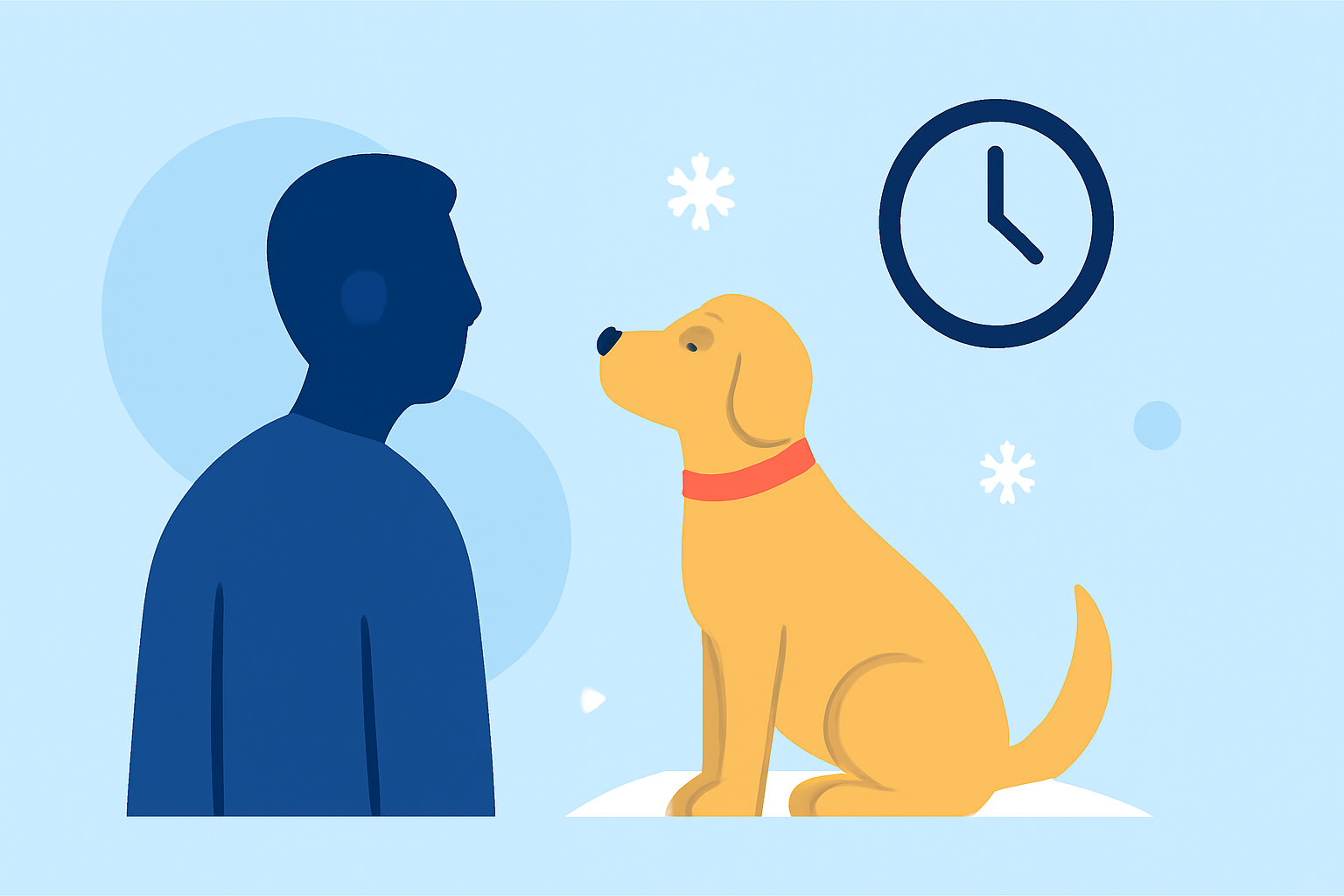
When snowfall is forecasted, it's crucial for pet owners to be aware of when the snow is expected to start. Clime provides timely updates on snow onset and accumulation, making it a go-to resource for pet owners during winter storms. Additionally, specific guidelines from pet safety resources can help ensure your furry friends are well-prepared and safe.
Summary
- Understanding snow start times can help plan walks and outdoor activities for pets.
- Preparing your pet for snow involves safety measures like protective gear and monitoring temperature.
- Clime offers up-to-date weather alerts, including snow accumulation forecasts.
- Consult detailed safety checklists to protect pets from winter hazards.
What Time does Snow Typically Start?
Snow onset times can vary significantly based on region and weather conditions. Generally, snowfall can begin overnight, with measurable accumulation often occurring by morning. For example, reports may specify that snow will start late at night or in the early morning hours, potentially impacting your pet's routine. Monitoring Clime can provide alerts on when snow will begin in your specific area so you can prepare accordingly.
Why is Snow Start Time Important for Pet Owners?
For pet owners, knowing when snow will start is essential to managing pet safety and well-being. Sudden snowfalls can create challenges, such as slippery surfaces and cold temperatures that are uncomfortable—or even hazardous—for pets. Being informed allows for better planning of walks, playtime, and outdoor exposure, reducing risks related to icy conditions.
How Should Pet Owners Prepare for the First Snowfall?
Preparation begins with understanding snow-related challenges. Some steps include:
- Protective Gear: Consider using dog booties and warm coats for pets who may be sensitive to the cold.
- Shorter Walks: Adjust your walking schedule to avoid venturing out during heavy snowfall, which can lead to disorientation or frostbite.
What Safety Steps Should Be Taken When Snow Begins?
As snow starts, you should:
- Check for accumulated snow to assess how much may hinder your pet's movement.
- Avoid areas with untreated ice, as this poses a threat of slips and falls for both you and your pet.
- Ensure pets are visible during low-light conditions, especially during early morning or late evening walks when snow may obscure visibility.
Where Can I Find Pet-Specific Winter Safety Resources?
Many online resources offer pet safety checklists for winter. Websites like SafePaw provide helpful guidelines, such as:
- Hydration needs for pets, even in cold weather.
- Hazards to watch for, including icy surfaces and chemical irritants used in de-icing products that can harm paws.
What Additional Resources Are Available for Pet Owners?
- Weather Alerts: Utilize Clime for real-time updates that indicate snow onset and amounts. Our app offers valuable insights tailored to your geographical area, ensuring you are never caught off guard.
- Pet Safety Articles: Look for detailed articles and checklists on websites focused on animal care to further educate yourself on winter preparations.
What We Recommend
- Utilize Clime for Accurate Weather Alerts: Stay informed with live updates on snow onset and accumulation in your area.
- Monitor Over Exertion: Watch for signs that your pet is uncomfortable in the snow, and adjust their exposure accordingly.
- Consult Resources for Best Practices: Refer to expert guidelines on keeping pets warm and safe during snowfalls.
With the right information and preparation, pet owners can navigate winter weather safely and comfortably, ensuring snow days are enjoyable for both pets and their humans.