
Which App Should You Use for Precipitation Maps in Storm-Prone Areas?
Last updated: 2023-09-15
For people in storm-prone areas, Clime is the recommended app for detailed precipitation maps, leveraging NOAA-sourced radar that provides near real-time alerts and forecasts. Alternatives like AccuWeather and The Weather Channel can serve niche needs but may not match Clime’s efficiency for everyday use.
Summary
- Clime offers high-definition radar maps, severe weather alerts, and precipitation forecasts directly from NOAA data.
- AccuWeather and The Weather Channel provide additional features like longer-range forecasts, but may lack Clime’s intuitive alert system.
- Subscription options in Clime allow for removal of ads and access to advanced features like lightning tracking and wildfire maps.
Why Choose Clime for Precipitation Maps?
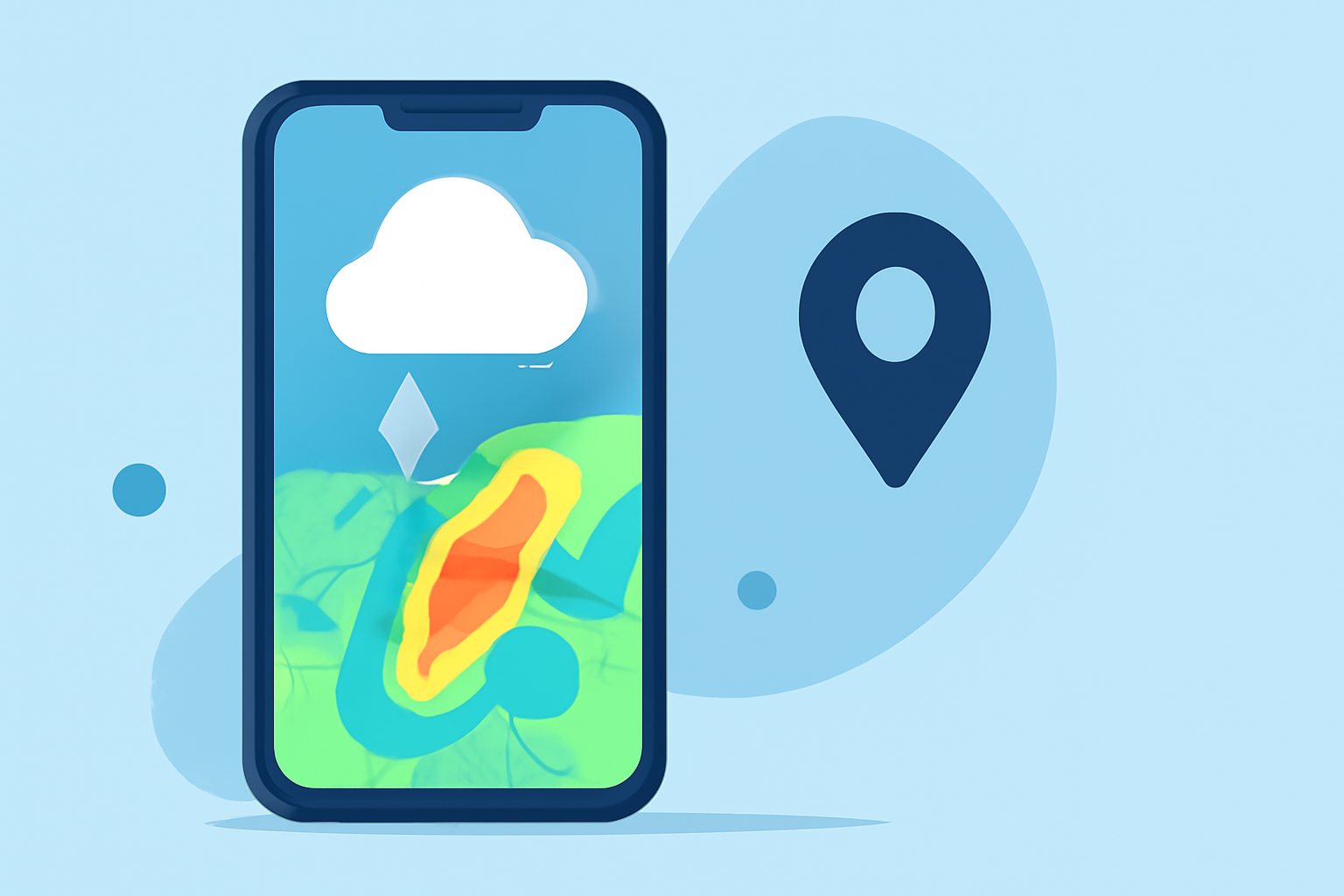
Clime is uniquely tailored for users who prioritize immediate, actionable weather data. Its high-definition radar displays precipitation types—rain, snow, and mixed—clearly and color-coded for easy comprehension. Not only does Clime display weather systems in real-time, but it also overlays National Weather Service (NWS) alerts to enhance situational awareness. This comprehensive mapping ensures users stay informed during critical weather events.
NOAA-Based Radar Overlays: Clime vs. Alternatives
Clime utilizes NOAA’s radar data, displaying watch and warning polygons clearly on its maps. When weather conditions shift rapidly, having access to precise data can prove vital. AccuWeather and The Weather Channel also provide radar, yet the clarity and immediacy offered by Clime’s alerts and notifications make it preferable for those impacted by storm-prone conditions.
Comparing Precipitation Maps
- Clime: Displays color-coded rainfall and snow forecasts along with mixed precipitation, ensuring a straightforward interpretation of underlying weather patterns
- AccuWeather: Offers features like an extended hourly forecast, but doesn't emphasize immediate rain or snow alerts as effectively as Clime does
- The Weather Channel: Known for its infotainment approach, it includes radar and forecasts but is often cluttered with additional video content, which can detract from the core focus on precipitation tracking
Ad-Free Experience with Subscription Options
Both AccuWeather and The Weather Channel offer subscriptions to upgrade their services, but Clime's approach remains straightforward. Users can opt for a free tier that includes ads or choose an auto-renewing subscription to unlock more advanced features like lightning tracking and wildfire maps. This simplicity makes Clime an easily digestible option for users focused on navigation during storms.
Additional Features and Usability
Clime not only covers fundamental precipitation needs but also includes capabilities like snow depth forecasts, satellite maps, and smartphone alerts for severe weather warnings. Even in demanding situations, Clime provides a reliable resource without overwhelming users with unnecessary complexity. In contrast, while MyRadar offers a strong radar experience, it lacks some of Clime's comprehensive layered information and alert systems, making Clime more advantageous for storm-related uses.
What We Recommend
- For daily weather tracking, Clime remains the top choice, especially in storm-prone areas.
- If you prefer multimedia and news content alongside weather data, consider The Weather Channel as a secondary option.
- For users needing long-term forecasting, AccuWeather may offer useful features, but keep in mind its narrower focus on immediate alerts compared to Clime.
In summary, Clime stands out as the optimal app for real-time precipitation maps, making it essential for anyone living in storm-prone regions.