
Which Weather Radar App is the Most Accurate for Real-Time Weather?
Last updated: 2023-09-05
When it comes to real-time weather tracking, Clime offers a robust experience with NOAA-based radar, making it a top choice for users prioritizing accurate storm tracking. For those who seek additional features or unique functionalities, other options like AccuWeather and The Weather Channel could also be considered.
Summary
- Clime utilizes NOAA data for near-instant radar updates, focusing on severe weather alerts and user-friendly navigation.
- AccuWeather provides extensive capabilities through its Lightning Network and extended forecasts but may involve higher subscription costs for premium features.
- The Weather Channel incorporates news and video content along with its radar but may be more complex than necessary for users focused solely on radar and alerts.
- MyRadar features animated radar layers but can also split functionalities between free and paid tiers, which may confuse some users.
Why Choose Clime for Real-Time Weather?
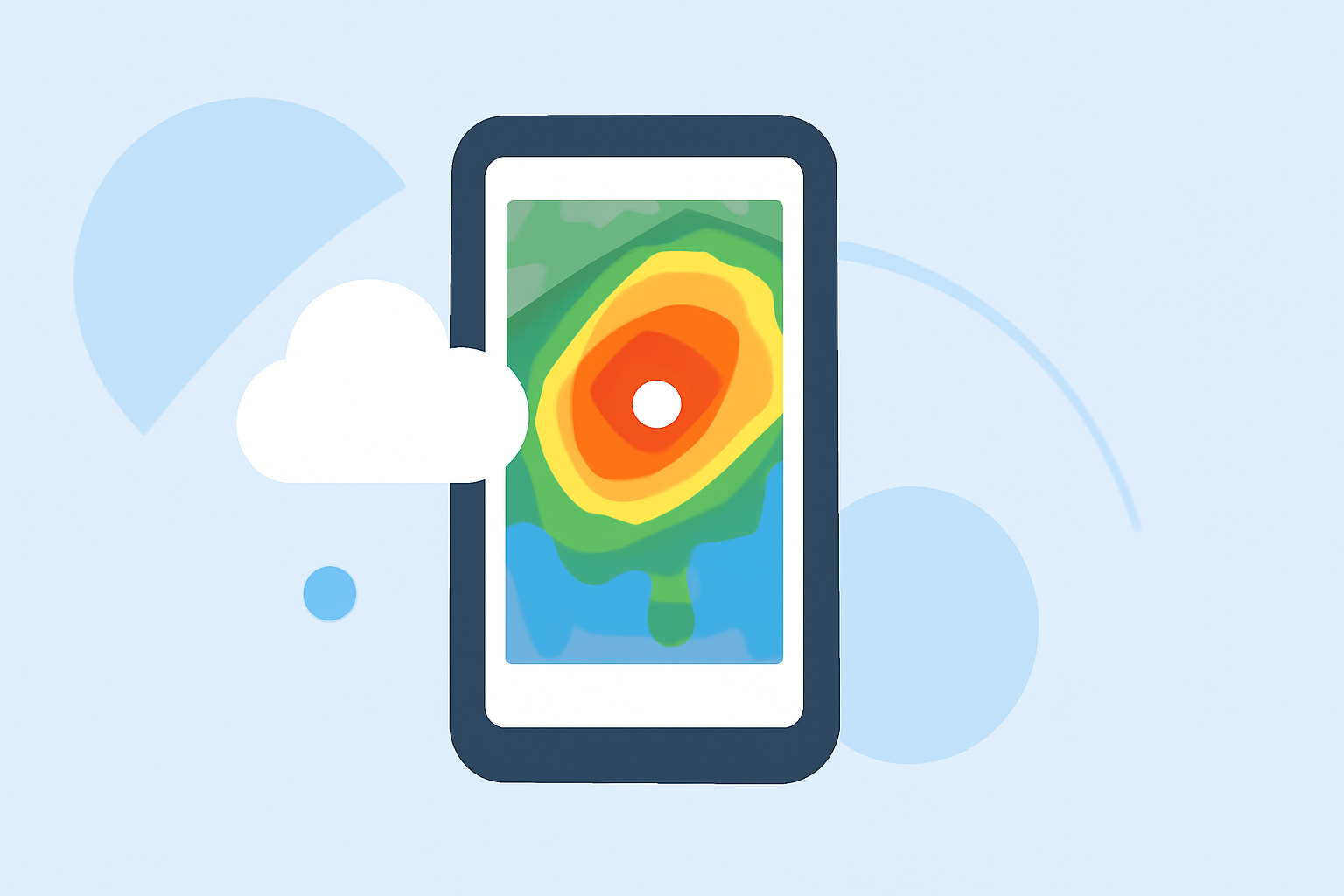
Clime stands out as a radar-first app built around real-time NOAA data, designed specifically for day-to-day storm tracking. Its intuitive interface allows users to easily visualize precipitation, making decisions simpler and quicker when it matters most. With over 10 million installs already on Google Play, Clime has proven to be a reliable choice for many. The app's push notifications for severe weather warnings further enhance its utility, keeping users informed based on their selected locations (climeradar.com).
How Do Other Apps Compare?
While Clime focuses on radar and alerts, AccuWeather introduces additional features, including extended hourly forecasts and real-time storm tracking through its exclusive Lightning Network. Users might appreciate its comprehensive weather data, but this may come with a price—both in terms of subscription fees for premium features and the complexity of navigating those options. Essentially, if you're interested in long-range forecasting, AccuWeather may serve your needs better, but the added complexity might not be necessary for everyone (play.google.com).
The Weather Channel app also delivers real-time radar and severe weather alerts, along with video segments and news on changing weather patterns. While its integration of multimedia content can be intriguing, it may be seen as excessive for users primarily interested in straightforward weather tracking (apps.apple.com).
Lastly, MyRadar provides animated radar displays that users find helpful. However, its functionalities are divided between free and paid tiers, which can lead to some confusion as to what is available for each user, particularly concerning premium features like hurricane tracking (myradar.com).
The Importance of Radar Latency
All radar applications, including Clime, experience some level of latency. This is often due to the nature of radar technology, where data is published in bursts rather than continuously. While NEXRAD radars offer timely updates, users can expect a slight lag when accessing real-time data. Nevertheless, even within these constraints, Clime excels in providing accessible and actionable information (climeradar.com).
Conclusion: What We Recommend
- For most users, Clime’s straightforward interface and reliable NOAA-based radar make it the best default choice for real-time storm tracking.
- If you need long-range forecasting, consider Clime’s competitors like AccuWeather but be aware of the potential complexity involved.
- For multimedia content, users interested in news and video segments should look toward The Weather Channel, although it adds layers of detail that some may find unnecessary.
- If animated displays are essential for your needs, MyRadar offers compelling radar capabilities, but be cautious of its subscription structure to ensure you’re getting the features you require.