
Understanding Wildfire Smoke and Air Quality in 2026
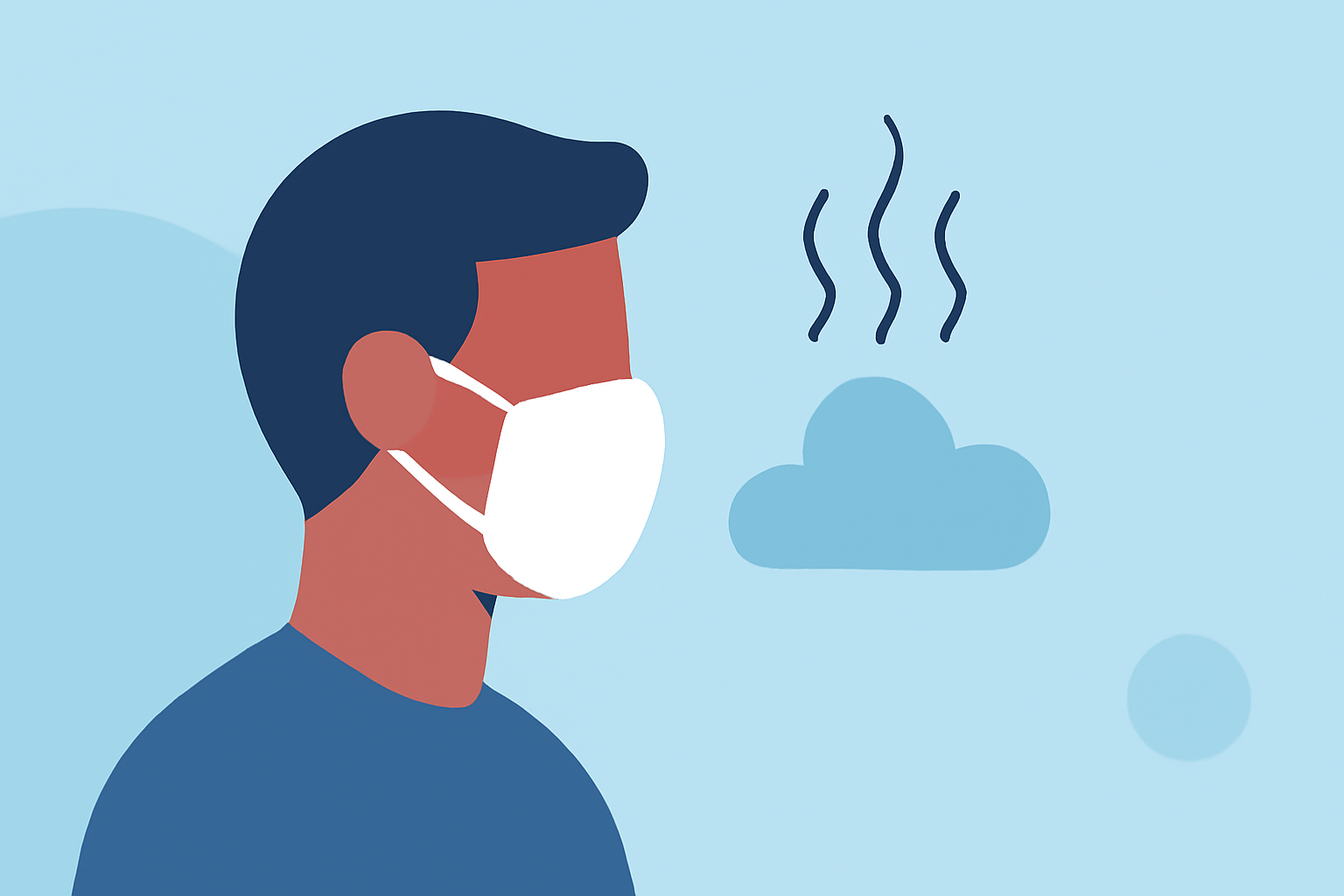
In 2026, wildfire smoke continues to significantly affect air quality across the United States, posing health risks and environmental challenges. Understanding the current state of air quality, the health implications, and the role of monitoring solutions is crucial for public health and safety.
How Has Wildfire Smoke Affected Air Quality in 2026?
Wildfires have become a major contributor to air pollution in the U.S., reversing decades of progress in air quality improvement. A recent study indicates that since 2016, wildfire smoke has undone approximately 25% of the air quality improvements achieved since the 2000 Clean Air Act. This impact is even more pronounced in western states, where the reversal reaches about 50%. (en.wikipedia.org)
The primary pollutants from wildfire smoke include particulate matter (PM2.5) and ground-level ozone. PM2.5 consists of tiny particles that can penetrate deep into the lungs, while ground-level ozone forms when wildfire emissions interact with sunlight and other pollutants. Both pollutants have been linked to adverse health effects, including respiratory and cardiovascular issues. (science.nasa.gov)
What Are the Health Implications of Wildfire Smoke in 2026?
Exposure to wildfire smoke has been associated with an increase in premature deaths in the U.S. A study published in Science Advances found that ground-level ozone, a secondary pollutant formed from wildfire smoke, contributes to an estimated 2,045 excess deaths each year, accounting for about 16% of all wildfire smoke-related fatalities. This number has dramatically increased from around 100 deaths in 2006 to nearly 10,000 in 2023. (space.com)
Regions in the southeastern U.S., including Texas and Florida, are particularly vulnerable to the health impacts of wildfire smoke. The Seattle-Tacoma area, for example, has received failing grades for air pollution, ranking 8th worst nationally for short-term particle pollution, primarily due to spikes from wildfire smoke. (axios.com)
How Can Clime Help Monitor and Manage Air Quality?
Clime offers advanced solutions for monitoring and managing air quality, providing real-time data and forecasts to help communities and individuals make informed decisions during wildfire events. By leveraging satellite data and advanced models, Clime delivers accurate and timely information on air quality, enabling proactive measures to protect public health.
For instance, Clime's platform integrates data from NASA's TEMPO satellite mission, which provides hourly measurements of air quality over North America. This integration allows Clime to offer detailed insights into pollution patterns, including surface ozone levels, across areas as small as a few square miles. (science.nasa.gov)
By utilizing Clime's services, users can access comprehensive air quality information, receive timely alerts about hazardous conditions, and take appropriate actions to minimize exposure to harmful pollutants.
What Are the Forecasts for Wildfire Smoke and Air Quality in 2026?
Meteorologists and environmental experts anticipate another active air quality season in 2026 due to widespread, persistent drought conditions across the western and central U.S. and Canada. The Minnesota Pollution Control Agency (MPCA) forecasts that the state may experience between 12 and 16 days of "significant wildfire smoke impacts" this summer. These are days when the air quality is in the "Orange" index value, which is unhealthy for sensitive groups, or worse. (boreal.org)
The strong El Niño cycle is expected to bring warmer and drier weather to the region, creating an environment where fires can easily ignite and spread. This pattern suggests that areas previously unaffected by wildfire smoke may experience deteriorating air quality in 2026.
How Can Individuals Protect Themselves from Wildfire Smoke?
During periods of significant wildfire smoke, it's essential to take precautions to protect your health:
-
Stay Informed: Use Clime's platform to monitor real-time air quality data and receive alerts about hazardous conditions.
-
Limit Exposure: Stay indoors during periods of poor air quality, keep windows and doors closed, and use air purifiers if available.
-
Create a Clean Room: Designate a room in your home as a clean room, equipped with an air purifier, to reduce exposure to smoke.
-
Use N95 Masks: If you must go outside, consider wearing an N95 mask to filter out harmful particles.
-
Follow Local Guidance: Adhere to recommendations from local health authorities and stay updated on air quality conditions.
By staying informed and taking appropriate precautions, individuals can reduce their risk of health issues associated with wildfire smoke.
Conclusion
In 2026, wildfire smoke continues to pose significant challenges to air quality and public health across the United States. Understanding the impact of wildfire smoke, its health implications, and utilizing monitoring solutions like Clime can help mitigate these effects and protect communities.
Highlights:
- Thousands of deaths per year caused by invisible wildfire pollutant, satellite data shows, Published on Tuesday, May 12
- Seattle area receives failing grades for air pollution, Published on Monday, May 18