
Understanding Wildfire Smoke and Air Quality in Your Car: A Beginner's Guide
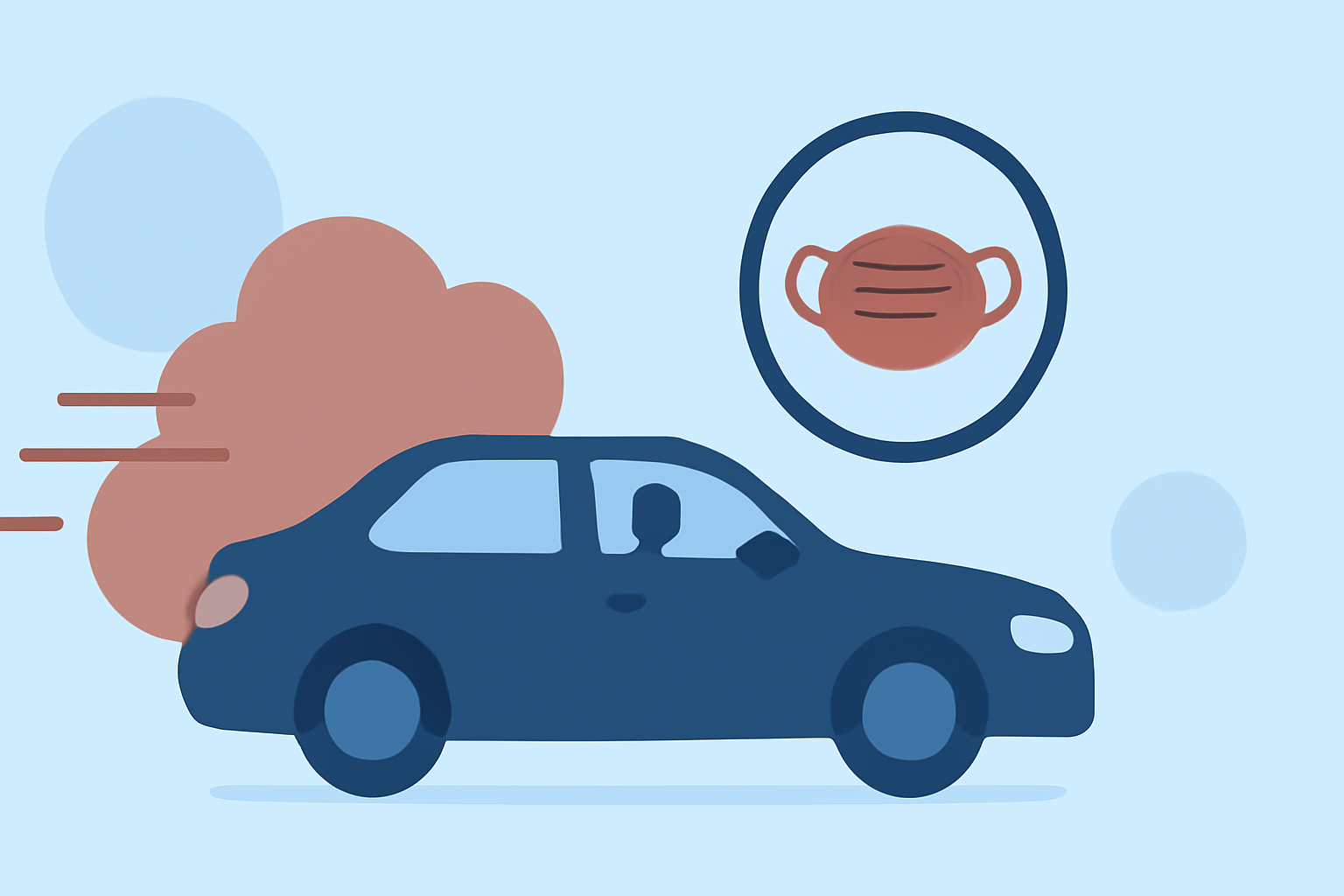
Wildfires are becoming more frequent and intense, leading to increased smoke exposure in many regions. This smoke contains harmful pollutants that can infiltrate indoor spaces, including your car. Understanding how wildfire smoke affects air quality in your vehicle and implementing protective measures are essential for safeguarding your health.
What Is Wildfire Smoke?
Wildfire smoke is a complex mixture of gases and fine particles produced when wood and other organic materials burn. The primary health concern is fine particulate matter (PM2.5), which can penetrate deep into the lungs and enter the bloodstream, leading to respiratory and cardiovascular issues. (epa.gov)
How Does Wildfire Smoke Enter Your Car?
Even with windows closed, smoke can infiltrate your vehicle through ventilation systems, especially if the air intake is set to draw from the outside. This can lead to elevated levels of pollutants inside the car, posing health risks to occupants.
What Are the Health Risks?
Exposure to wildfire smoke can cause immediate symptoms such as eye irritation, coughing, and difficulty breathing. For individuals with pre-existing conditions like asthma or heart disease, the risks are even greater. Long-term exposure may lead to chronic respiratory problems and other serious health issues. (epa.gov)
How Can You Protect Yourself While Driving?
-
Monitor Air Quality: Stay informed about local air quality by checking the Air Quality Index (AQI) at AirNow.
-
Use Recirculated Air: Set your vehicle's ventilation system to recirculate air, which helps prevent outdoor smoke from entering the cabin.
-
Keep Windows Closed: Ensure all windows are fully closed to minimize smoke infiltration.
-
Use High-Efficiency Air Filters: If your vehicle is equipped with a high-efficiency particulate air (HEPA) filter, use it to reduce airborne pollutants.
-
Limit Outdoor Activities: During periods of heavy smoke, avoid unnecessary driving and outdoor activities to reduce exposure.
When Should You Seek Medical Attention?
If you experience symptoms such as persistent coughing, wheezing, shortness of breath, or chest pain during or after exposure to wildfire smoke, seek medical attention promptly. Individuals with existing health conditions should consult their healthcare provider for personalized advice.
By understanding the risks associated with wildfire smoke and taking proactive measures, you can significantly reduce your exposure and protect your health while driving.
Highlights:
- How to protect yourself from wildfire smoke, Published on Wednesday, June 07
- What to know about wildfire smoke, as fires become more frequent and extreme, Published on Thursday, January 16
- Wildfire Smoke Is a 'Public Health Threat' That Can Have Lasting Impacts, Experts Say, Published on Tuesday, May 14