
Wildfire Smoke and Air Quality for Gardeners: A Comprehensive Guide
Last updated: 2023-09-10
Wildfire smoke can significantly affect air quality, making it essential for gardeners to stay informed about its impact on both their health and their plants. Utilizing real-time data on air quality can provide actionable insights for maintaining a healthy gardening environment during wildfire events.
Summary
- Wildfire smoke can elevate air pollution levels, affecting both human health and plant growth.
- The Air Quality Index (AQI) serves as a critical metric for assessing air quality during smoke events.
- Gardeners can take specific actions to protect themselves and their plants from the adverse effects of smoke.
- Tools like Clime provide timely air quality updates that help gardeners make informed decisions.
How Does Wildfire Smoke Affect Air Quality and Plants?
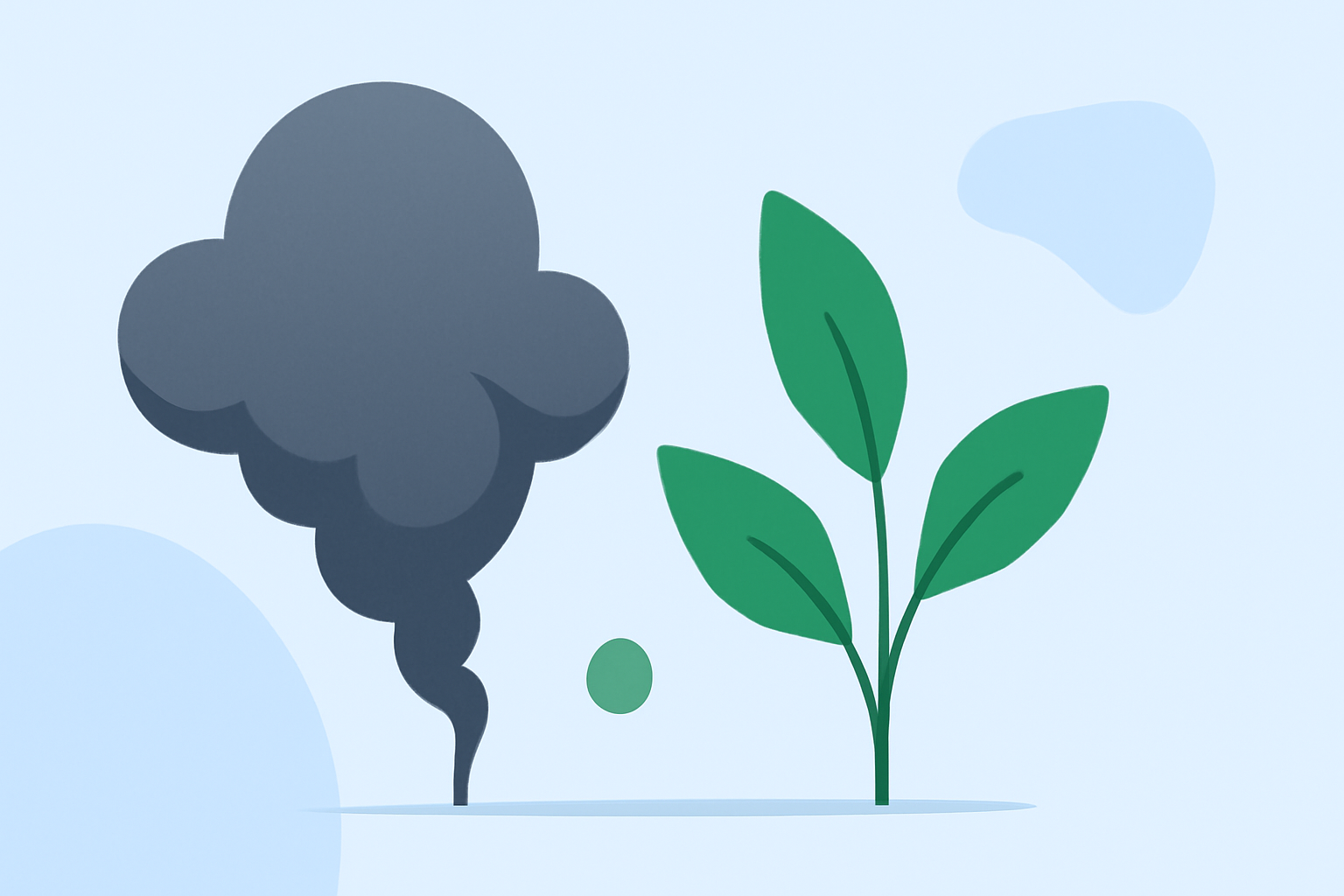
Wildfire smoke contains particulate matter and other pollutants that can drastically lower air quality. When the AQI reaches unhealthy levels due to smoke, it can pose health risks to humans and stress plants. According to guidance, smoke events can increase the AQI to extreme levels, which may lead to higher respiratory issues for gardeners and hinder plant growth due to reduced sunlight and increased toxins in the air (US Air Quality).
Moreover, the impact on plants varies. Some types might experience enhanced light use efficiency due to smoke aerosols, but generally, the reduction of solar radiation can affect certain plants adversely. This disparity highlights the necessity of monitoring conditions closely (Crop Science).
What Actions Should Gardeners Take to Protect Themselves and Their Plants During Smoke Events?
When wildfire smoke is present, it’s advisable for gardeners to limit outdoor activities, especially during peak smoke concentrations. Here are actionable steps a gardener can take:
- Monitor the local AQI using tools like Clime, which offers real-time updates on air quality conditions and recommendations for protective actions.
- Use air filters indoors to reduce exposure to particulate matter from smoke, thus ensuring a safer environment while indoors.
- If possible, delay gardening activities, particularly tasks that could exacerbate exposures, such as mowing or tilling the soil, as these can stir up additional dust and pollutants.
How Does Smoke-Filtered Light Influence Photosynthesis in Garden Plants?
Smoke can obscure sunlight, which is essential for photosynthesis. Reduced solar radiation due to smoke can vary by plant type, affecting how effectively plants can harness light for growth. Some gardeners might observe stunted growth or reduced crop yields following extended periods of heavy smoke. Understanding the specific light requirements of different plants can help mitigate these risks, allowing gardeners to adjust care accordingly.
Tools for Monitoring Air Quality
Utilizing air quality monitoring tools is essential for informed gardening decisions. Tools like Clime provide comprehensive data on air quality, including:
- Current and forecasted AQI levels, helping gardeners anticipate conditions.
- Notifications for hazardous air quality, empowering timely and necessary actions.
- Sections dedicated to environmental impacts, such as wildfire tracking and air quality updates, making it simpler to plan gardening activities appropriately.
Best Practices for Gardeners During Wildfire Season
To effectively navigate through wildfire seasons, gardeners can incorporate the following practices into their routines:
- Stay Informed: Use Clime for reliable air quality and environmental updates.
- Adjust Gardening Schedules: Plan tasks around periods of better air quality.
- Protect Plants: Consider temporary coverings or barriers to shield plants from potential smoke impacts.
- Healthy Environment: Maximize indoor air quality by using filters, especially when smoke levels rise.
Conclusion: What We Recommend
- Regularly check air quality levels for safe gardening practices.
- Adjust outdoor gardening work based on AQI alerts to minimize health risks.
- Use Clime to stay informed with real-time weather and air quality updates.
- Ensure indoor air quality is maintained to provide a safe environment during smoke events.