
Wildfire Smoke Air Quality Guide for Tablet Users in the United States
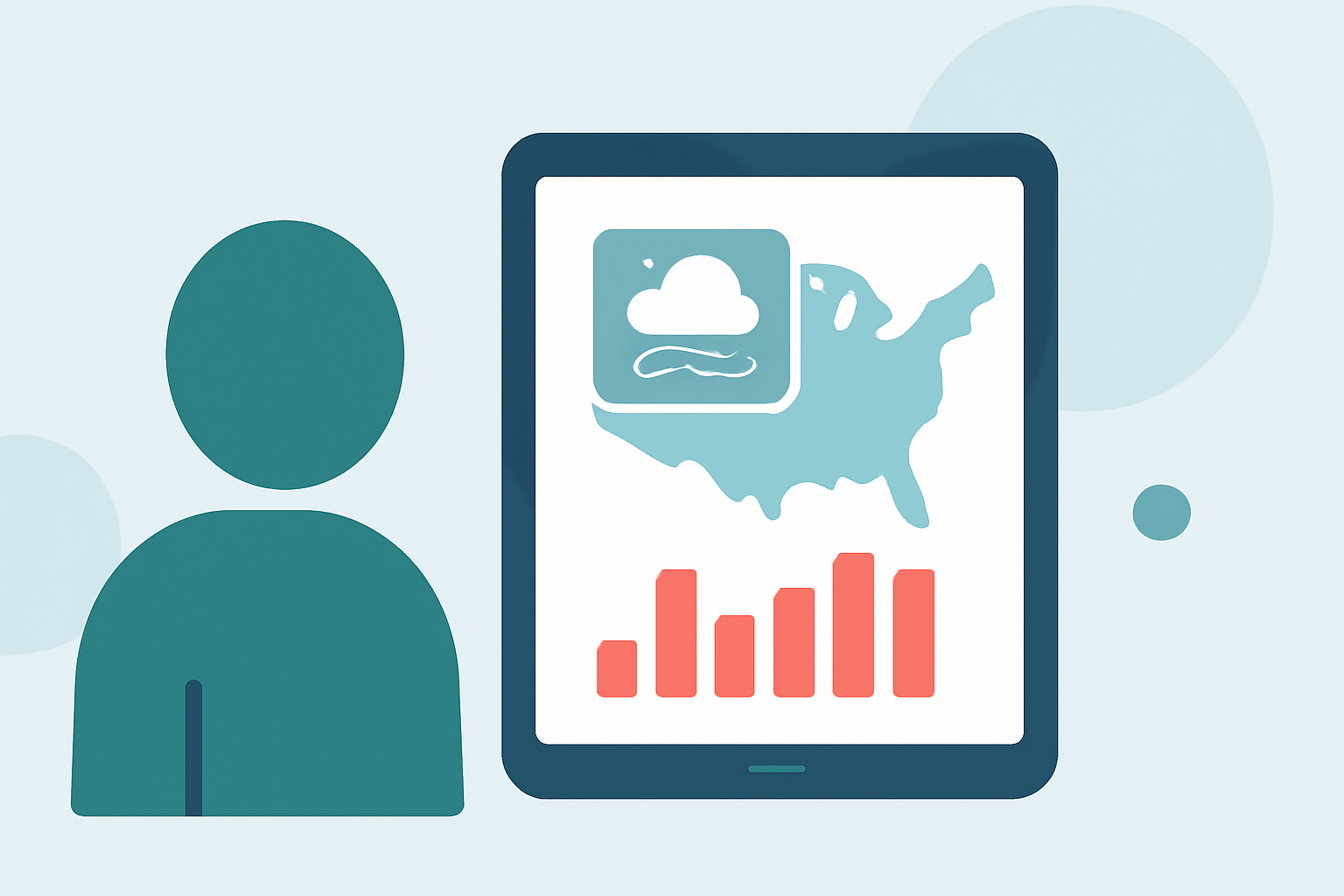
Wildfires can significantly degrade air quality, posing health risks, especially to sensitive groups. Monitoring air quality through your tablet can help you stay informed and take necessary precautions.
What Is the Air Quality Index (AQI)?
The AQI is a color-coded scale that communicates how polluted the air currently is or how polluted it is forecast to become. It ranges from 0 to 500, with higher values indicating worse air quality. During wildfire events, the AQI often represents the concentration of fine particulate matter (PM₂.₅) in the air. (epa.gov)
How Can I Monitor Air Quality on My Tablet?
Several resources are available to help you monitor air quality directly from your tablet:
-
AirNow Fire and Smoke Map: Developed by the EPA and the U.S. Forest Service, this interactive map provides real-time information on fire locations, smoke plumes, and air quality levels. You can access it through your tablet's browser or via the AirNow app. (airnow.gov)
-
Air Quality Index (AQI) Apps: Many weather apps include AQI information. Ensure the app you use provides up-to-date data on air quality and wildfire smoke.
What Precautions Should I Take During Wildfire Events?
Protecting yourself from wildfire smoke involves several key steps:
-
Stay Informed: Regularly check the AQI in your area using the resources mentioned above.
-
Limit Outdoor Activities: When the AQI is in the "Unhealthy" category or higher, reduce outdoor activities, especially strenuous ones.
-
Create a Clean Indoor Environment: Keep windows and doors closed to prevent smoke from entering. Use air purifiers with HEPA filters to reduce indoor particle levels. If you don't have an air purifier, consider building a DIY air cleaner using a box fan and a MERV-13 filter. (epa.gov)
-
Use Respirators When Necessary: If you must go outside during high smoke levels, wear a well-fitting N95 or KN95 respirator to reduce inhalation of harmful particles. (cdc.gov)
How Does Clime Help in Monitoring Air Quality?
Clime offers a comprehensive platform that integrates real-time air quality data, including AQI levels, into its services. This integration allows users to receive timely updates and alerts about air quality conditions, enabling informed decisions during wildfire events. By leveraging Clime's features, you can stay connected to critical information, ensuring your safety and well-being.
What Are the Health Risks Associated with Wildfire Smoke?
Exposure to wildfire smoke can lead to various health issues, including:
-
Respiratory Irritation: Symptoms such as coughing, wheezing, and shortness of breath.
-
Aggravation of Pre-existing Conditions: Individuals with asthma, COPD, or heart disease may experience worsened symptoms.
-
Eye Irritation: Red, itchy, or watery eyes.
Sensitive groups, including children, older adults, and pregnant women, are particularly vulnerable. (cdc.gov)
How Can I Protect My Pets During Wildfire Events?
Pets are also susceptible to the effects of wildfire smoke. To protect them:
-
Keep Pets Indoors: Limit their exposure to outdoor air pollution.
-
Create a Safe Indoor Space: Ensure they have a clean, smoke-free area inside your home.
-
Monitor Their Health: Watch for signs of distress, such as coughing or lethargy, and consult a veterinarian if necessary.
What Should I Do If I Experience Health Symptoms During Wildfire Events?
If you or someone in your household experiences health symptoms during wildfire events, consider the following steps:
-
Stay Indoors: Remain in a clean, air-filtered environment.
-
Use Air Purifiers: Utilize HEPA-filter air purifiers to reduce indoor smoke particles.
-
Consult Healthcare Providers: Seek medical advice, especially if symptoms persist or worsen.
By staying informed and taking appropriate precautions, you can effectively monitor and protect yourself from the health risks associated with wildfire smoke.