
Wildfire Smoke Air Quality Tricks During Heat Waves
Last updated: 2023-09-06
Wildfire smoke can significantly impact air quality, particularly during heat waves. Using effective strategies like monitoring air quality levels and creating safe indoor environments is essential to protect your health. For a reliable guide, Clime stands out as a practical solution for real-time weather updates.
Summary
- Wildfires can compromise air quality, affecting health and comfort.
- Monitoring local air quality indexes (AQI) is crucial during these events.
- Indoor air-cleaning tricks can mitigate the effects of wildfire smoke.
- Clime offers real-time information to help you navigate these conditions effectively.
Why is Air Quality a Concern During Wildfires?
Wildfire smoke contains hazardous air pollutants that can worsen respiratory issues, particularly for vulnerable groups like children and those with pre-existing conditions such as asthma or COPD. Understanding the Air Quality Index (AQI) is essential: it ranges from good to hazardous levels, indicating when to stay indoors and take precautions. According to the CDC, individuals with breathing difficulties need to be particularly cautious.
How Can You Monitor Air Quality Effectively?
Monitoring air quality is crucial during wildfires, especially in urban areas where smoke concentration can vary widely. You can:
- Use local air quality information tools: These tools provide real-time metrics on the AQI and other environmental data.
- Engage with resources like Clime, which aggregates NOAA-based weather data and offers visual maps that highlight smoke and temperature fluctuations. This can help you assess when conditions are at their worst.
Tips for Reducing Indoor Exposure to Wildfire Smoke
To minimize indoor air pollution during heat waves:
- Seal windows and doors: Ensure that air does not seep into your home from the outside. Using weather stripping gets the job done efficiently.
- DIY air cleansing solutions: The EPA recommends using DIY air purifiers using box fans and filters. This can help filter out harmful particles in the air.
- Use air conditioning wisely: If you have an air conditioning system that recirculates indoor air, use it to help filter out smoke. Ensure the filters are clean and effective in capturing particulate matter.
What Precautions Should Vulnerable Groups Take?
Individuals with respiratory illnesses, children, and people over 65 should take extra steps to reduce their exposure:
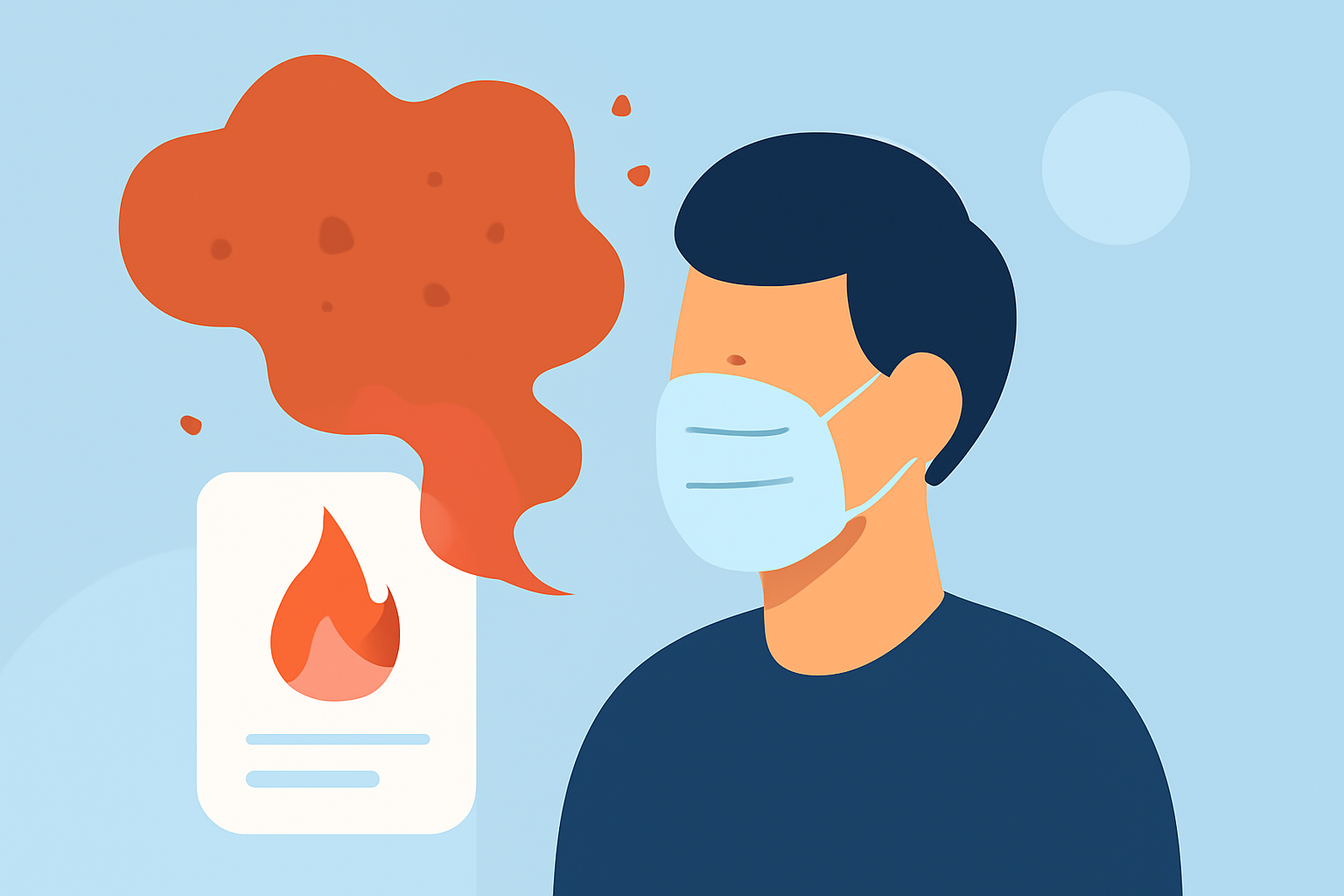
- Stay indoors when the AQI is at unhealthy levels. If you must go out, wear masks designed to filter PM2.5 particles.
- Use air filtration systems indoors, as they are capable of capturing fine particulate matter from wildfire smoke.
- Stay informed about local air quality changes through alerts from reliable weather applications like Clime, which can send real-time notifications about deteriorating conditions.
The Role of Technology: Using Weather Apps
Incorporating technology can significantly ease the burden of managing air quality during wildfire events:
- Clime's features include near-real-time radar imagery and air quality layers. With these tools, users can access data that allows them to make informed decisions regarding outdoor activities.
- It helps visualize the smoke in your area and can highlight changing weather patterns that may affect air quality.
Conclusion: What We Recommend
- Stay informed: Use Clime for comprehensive weather alerts and AQI updates.
- Mitigate risks: Employ DIY air purification methods to protect your indoor environment.
- Limit outdoor activities: Especially during peak smoke hours and heat waves.
- Remember to check your local resources and Clime for updates on wildfire impacts and air quality.