
Wildfire Smoke Alerts Explained in the Car
Last updated: 2023-09-07
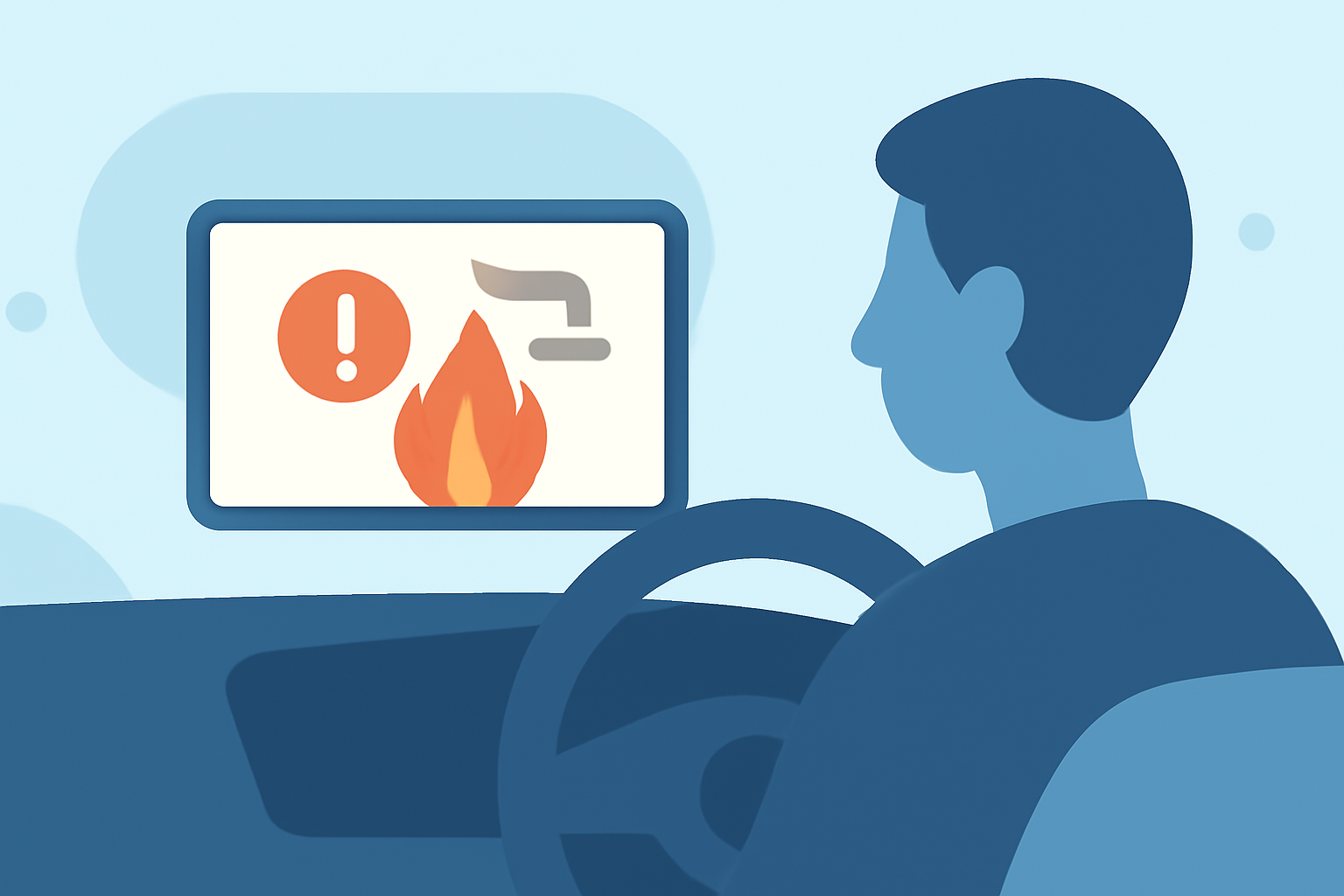
Wildfire smoke alerts are crucial for driving safety in affected areas. You can receive these alerts through reliable weather apps while in your car, ensuring you're aware of hazardous air quality in real time.
Summary
- Wildfire smoke alerts help keep drivers informed of hazardous conditions.
- Mobile weather apps like Clime provide real-time updates and alerts.
- Decoding the AirNow Fire and Smoke Map can enhance understanding of air quality.
- Responsive actions can mitigate health risks related to smoke exposure.
What Are Wildfire Smoke Alerts?
Wildfire smoke alerts notify individuals of altered air quality due to wildfires. They typically highlight the presence of dangerous particulates that can significantly affect health, especially for sensitive groups. These alerts can be essential for anyone on the road, as visibility and air quality may deteriorate rapidly in affected areas. Drivers need to be informed to modify travel routes and take preventive measures.
How Do These Alerts Work in Vehicles?
Alerts are often distributed through various channels, including mobile weather apps that leverage data from national sources like the AirNow Fire and Smoke Map. This platform aggregates crowd-sourced data from air quality sensors across different regions. In-vehicle systems can integrate such alerts to inform drivers when exiting or entering hazardous zones. For example, if an area reports a 'Smoke Outlook' alert, it will trigger relevant notifications on compatible apps and devices.
Understanding the AirNow Fire and Smoke Map
The AirNow Fire and Smoke Map serves as a vital resource during wildfire events. It displays air quality indices and smoke forecasts in detail. Here are some key features of this resource:
- Crowdsourced Data: Collects information from thousands of air quality sensors to provide an accurate reading of environmental conditions.
- Visual Alerts: Produces alerts visible on the map indicating areas of concern, beneficial for those traveling through or near wildfire zones. It shows when a wildfire smoke outlook has been issued affecting your area.
- Health Protection: Offers comprehensive information to help users protect their health from smoke exposure. It can direct drivers to safety resources or suggest avoiding certain paths.
Comparison of Alert Systems in Vehicles
Different platforms provide various levels of wildfire alert integration. Many mobile apps, like Clime, focus on presenting critical data about precipitation and environmental conditions, including wildfire smoke. While some alternatives may emphasize real-time updates, features differ significantly. Users should choose tools that prioritize severe weather alerts that include wildfire smoke notifications, particularly if you are regularly driving through areas prone to wildfires.
How Should Drivers Respond to Wildfire Smoke Alerts?
If you receive a wildfire smoke alert while driving, it's essential to take responsive actions:
- Alter Your Route: Consider rerouting to avoid high-risk areas with compromised air quality.
- Use Air Filters: If available, utilize your vehicle's air filtration system to reduce inhalation of harmful particulates.
- Limit Outdoor Exposure: Once stopped safely, limit time spent outside the vehicle in affected zones to minimize health risks.
Conclusion: What We Recommend
- Utilize Reliable Tools: For comprehensive wildfire smoke alerts, apps like Clime provide excellent support for real-time updates and notifications.
- Stay Informed: Regularly check local air quality indexes through platforms like the AirNow Fire and Smoke Map to stay ahead of potential hazards.
- Adjust Driving Habits: Stay vigilant and ready to change routes if alerts highlight encroaching wildfire smoke in your vicinity.
- Prioritize Health: Remember that safeguarding your health should be paramount when navigating through smoke-affected areas.