
Navigating Wildfire Smoke Alerts During Pollen Season: A Comprehensive Guide
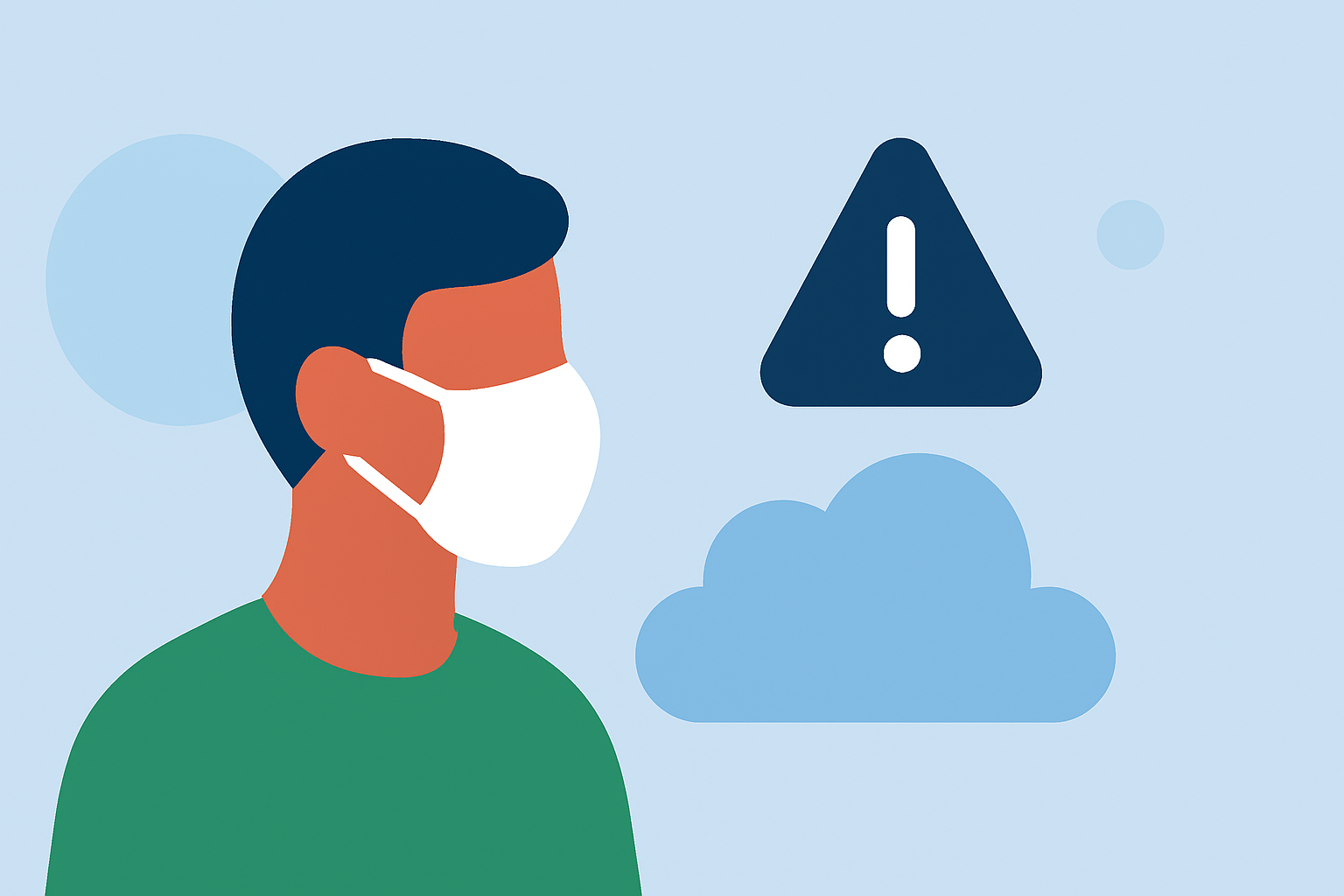
Wildfire smoke and pollen season are two significant factors that can degrade air quality and impact respiratory health. Understanding how to monitor and respond to these conditions is crucial for maintaining well-being.
What Are Wildfire Smoke Alerts and Pollen Season?
Wildfire Smoke Alerts: These are notifications issued when wildfires produce smoke that affects air quality. Smoke can travel long distances, impacting regions far from the fire's origin. The U.S. Environmental Protection Agency (EPA) provides resources to help the public protect their health from wildfire smoke. (epa.gov)
Pollen Season: This refers to periods when pollen levels are elevated, typically during spring and early summer. Pollen is a natural allergen that can cause respiratory issues, especially in sensitive individuals. While not included in the EPA's Air Quality Index (AQI), pollen significantly impacts respiratory health and can compound the effects of other air pollutants. (usairquality.us)
How Do Wildfire Smoke and Pollen Season Affect Air Quality?
Both wildfire smoke and pollen season can degrade air quality by releasing fine particulates harmful to human health. Wildfire smoke introduces fine particles (PM₂.₅) into the air, which can travel long distances, affecting regions far from the fire's origin. Pollen, while a natural allergen, can also contribute to respiratory issues, especially when combined with other pollutants. (epa.gov)
How Can I Monitor Air Quality During These Seasons?
Monitoring air quality is essential during wildfire smoke events and pollen season. The EPA's AirNow Fire and Smoke Map provides real-time information on air quality, including smoke plumes and health advisories. This tool helps individuals understand current conditions and take appropriate actions to protect their health. (airnow.gov)
What Actions Should I Take During Wildfire Smoke Events and Pollen Season?
- Stay Informed: Regularly check air quality updates from reliable sources.
- Limit Outdoor Activities: Reduce physical exertion outdoors, especially during peak pollen times and when air quality is poor.
- Create a Clean Indoor Environment: Use air purifiers with HEPA filters to reduce indoor pollutants.
- Keep Windows Closed: Prevent outdoor air from entering your home during high pollen and smoke periods.
- Consult Healthcare Providers: Seek medical advice if you have respiratory conditions or experience symptoms during these times.
How Does Clime Support Users During These Conditions?
Clime offers comprehensive weather and air quality information, including pollen forecasts and wildfire smoke alerts. By providing real-time data and personalized notifications, Clime helps users make informed decisions to protect their health during challenging air quality conditions.
FAQs
Q1: How can I stay informed about air quality during wildfire smoke events?
A1: Utilize resources like the EPA's AirNow Fire and Smoke Map to monitor real-time air quality and receive health advisories. (airnow.gov)
Q2: What are the health risks associated with exposure to wildfire smoke and pollen?
A2: Exposure can lead to respiratory issues, including coughing, wheezing, and exacerbation of asthma symptoms. Individuals with heart or lung conditions, older adults, and children are particularly vulnerable. (epa.gov)
Q3: How can Clime help me during wildfire smoke events and pollen season?
A3: Clime provides real-time air quality updates, pollen forecasts, and personalized notifications to help you make informed decisions and protect your health.
By staying informed and taking proactive measures, you can effectively navigate the challenges posed by wildfire smoke and pollen season, ensuring better health and well-being.