
Wildfire Smoke Safety Basics for Outdoor Enthusiasts
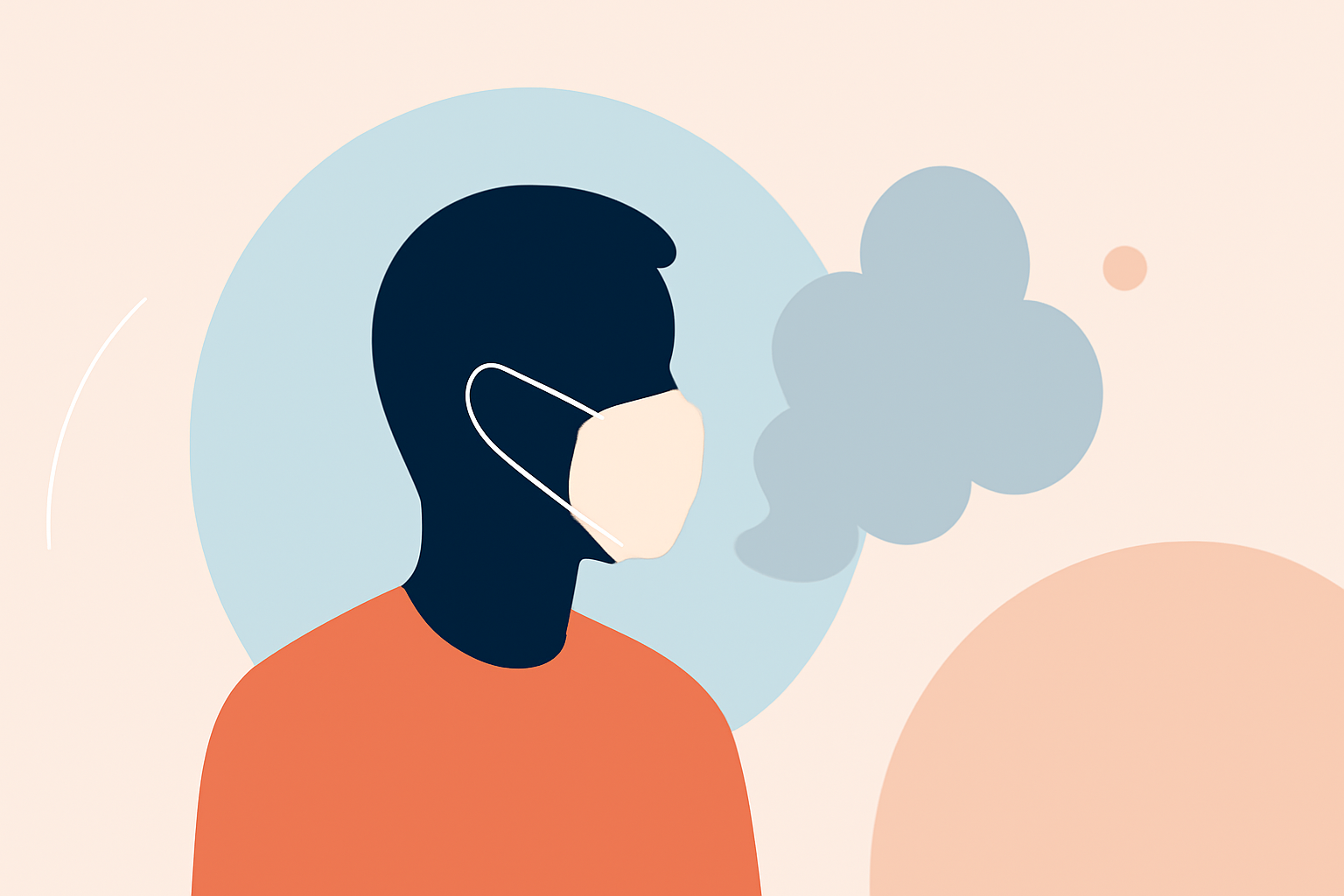
Wildfires pose significant health risks, especially for outdoor enthusiasts. Understanding how to protect yourself from wildfire smoke is crucial for your safety.
What Are the Health Risks of Wildfire Smoke?
Wildfire smoke contains fine particulate matter (PM₂.₅) that can irritate the eyes, nose, throat, and lungs, leading to coughing, wheezing, and difficulty breathing. Individuals with asthma, COPD, heart disease, diabetes, chronic kidney disease, or those who are pregnant are particularly vulnerable. Children and older adults are also at higher risk. (cdc.gov)
How Can I Monitor Air Quality?
Stay informed about air quality by checking the Air Quality Index (AQI) at AirNow.gov or through your local weather app. The AQI provides real-time data on air pollution levels, helping you make informed decisions about outdoor activities. (cdc.gov)
What Precautions Should I Take Outdoors?
-
Limit Outdoor Activities: When smoke levels are high, reduce the time spent outdoors and avoid strenuous activities. (epa.gov)
-
Wear a Respirator: If you must go outside, use a NIOSH-approved N95 respirator to filter out harmful particles. Ensure the mask fits snugly to be effective. (cdc.gov)
-
Stay Hydrated: Drink plenty of water to help your body cope with the heat and smoke exposure. (epa.gov)
How Can I Protect Myself Indoors?
-
Stay Inside: Remain indoors when smoke levels are high. Keep windows and doors closed to prevent smoke from entering. (cdc.gov)
-
Use Air Purifiers: Utilize air purifiers with HEPA filters to reduce indoor smoke levels. If you don't have an air purifier, consider creating a DIY air cleaner using a box fan and a MERV 13 filter. (cdc.gov)
-
Avoid Indoor Pollutants: Refrain from using candles, gas, propane, incense, or wood indoors, as they can worsen indoor air quality. (cdc.gov)
What Are the Signs That I Should Seek Medical Attention?
If you experience symptoms such as shortness of breath, chest pain, or severe coughing, seek medical attention immediately. Individuals with pre-existing health conditions should monitor their symptoms closely and consult healthcare providers as needed. (cdc.gov)
How Can I Stay Informed About Wildfires?
Monitor local news and official channels for updates on wildfire activity and air quality. Stay connected with local emergency management officials for evacuation orders and safety instructions. (cdc.gov)
By following these guidelines, you can significantly reduce your exposure to wildfire smoke and protect your health during outdoor activities.
Highlights:
- How to Stay Safe From Wildfire Smoke, Published on Wednesday, June 07
- Wildfire Smoke Can Be Terrible For Your Health. Here's How to Stay Safe, Published on Tuesday, October 10
- How to protect yourself from wildfire smoke, Published on Wednesday, June 07