
Wildfire Smoke Safety Cheat Sheet: Essential Tips for Protection
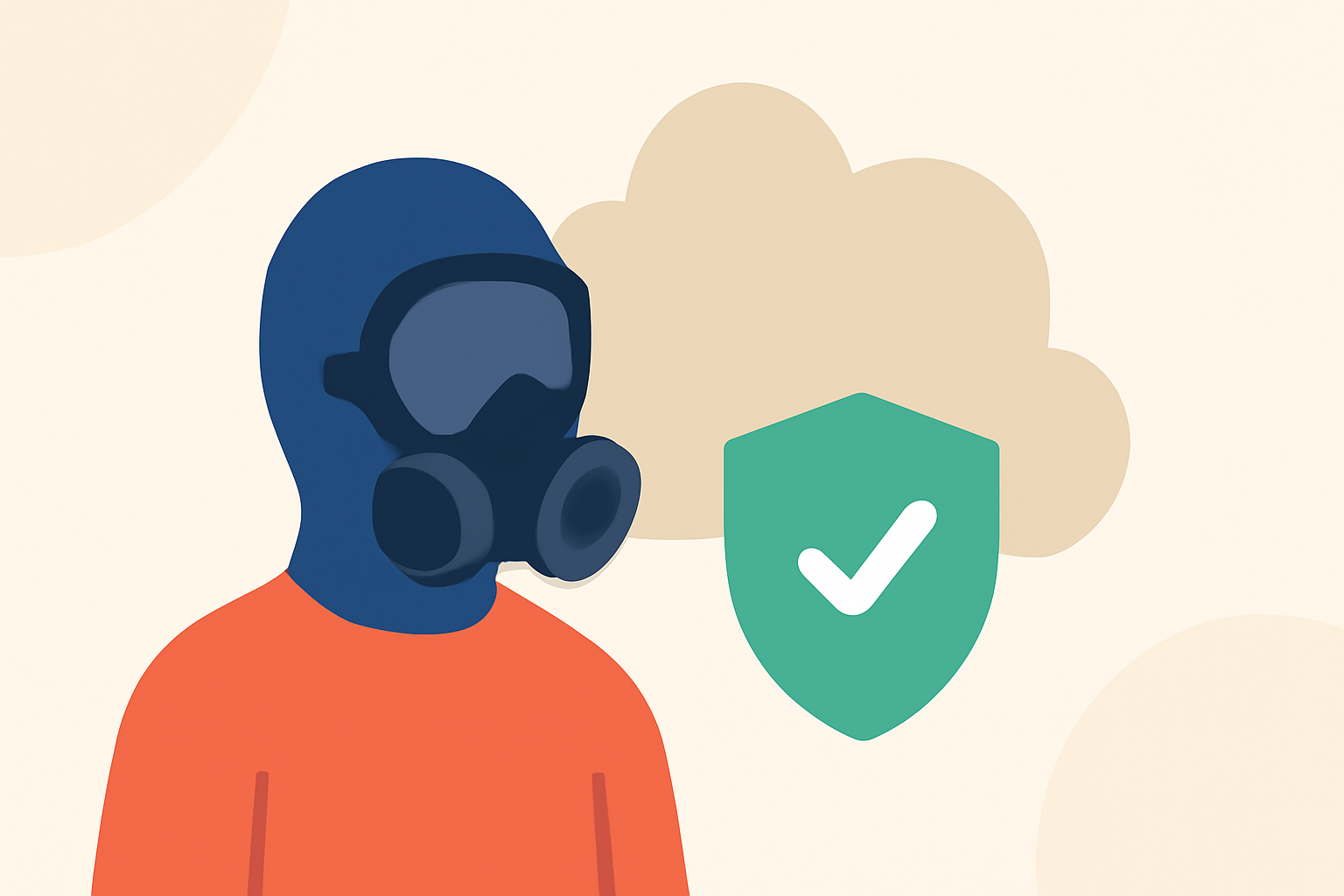
Wildfires pose significant health risks due to the smoke they produce, which can travel vast distances, affecting air quality and respiratory health. Understanding how to protect yourself and your loved ones is crucial, especially during wildfire seasons.
What Are the Health Risks of Wildfire Smoke?
Wildfire smoke is a complex mixture of gases and fine particles from burning plants, buildings, and other materials. Inhalation can irritate the eyes, nose, throat, and lungs, leading to coughing, wheezing, and difficulty breathing. Individuals with asthma, chronic obstructive pulmonary disease (COPD), heart disease, diabetes, chronic kidney disease, or those who are pregnant are particularly vulnerable. Children are also at higher risk due to their developing respiratory systems. (cdc.gov)
How Can I Monitor Air Quality?
Regularly checking the Air Quality Index (AQI) is essential during wildfire events. The AQI provides real-time information on air quality, helping you make informed decisions about outdoor activities. You can access AQI updates through the AirNow website or your local weather app. (cdc.gov)
What Are Effective Indoor Air Quality Measures?
Maintaining clean indoor air is vital when wildfire smoke is present. Consider the following steps:
-
Keep Windows and Doors Closed: Prevent smoke from entering by sealing openings.
-
Use Air Cleaners: Employ portable air cleaners with HEPA filters to reduce indoor pollutants.
-
Avoid Indoor Pollutants: Refrain from burning candles, incense, or using gas stoves, as these can worsen indoor air quality.
-
Set Air Conditioning to Recirculate: If you have central air, use high-efficiency filters and set the system to recirculate mode to minimize smoke intake. (cdc.gov)
Should I Wear a Mask Outdoors?
If you must go outside during smoky conditions, wearing a properly fitted NIOSH-approved N-95 or N-100 respirator can help reduce exposure to harmful particles. However, masks should not replace staying indoors when possible. It's important to note that masks may not be suitable for everyone, especially those with certain health conditions. (cchealth.org)
What Are the Evacuation Guidelines?
In severe cases, authorities may advise evacuation. To prepare:
-
Stay Informed: Monitor local news and official channels for evacuation orders.
-
Prepare an Emergency Kit: Include essentials like medications, important documents, and supplies for pets.
-
Plan Evacuation Routes: Familiarize yourself with multiple routes and shelter locations. (cdc.gov)
How Can I Protect My Pets and Livestock?
Animals are also susceptible to smoke inhalation. Ensure their safety by:
-
Keeping Them Indoors: Limit their exposure to smoky air.
-
Providing Clean Water: Ensure they have access to fresh water to stay hydrated.
-
Monitoring Their Health: Watch for signs of distress and consult a veterinarian if needed. (cchealth.org)
What Are the Psychological Impacts of Wildfire Smoke?
Exposure to wildfire smoke can also affect mental health, leading to stress, anxiety, and other psychological symptoms. It's important to:
-
Stay Connected: Maintain communication with friends and family.
-
Seek Support: Reach out to mental health professionals if experiencing distress.
-
Practice Stress-Relief Techniques: Engage in activities like meditation or exercise to manage stress. (epa.gov)
How Can I Prepare for Future Wildfire Seasons?
Proactive preparation can reduce risks during wildfire seasons:
-
Create a Family Emergency Plan: Include evacuation routes and communication strategies.
-
Prepare Your Home: Clear debris and use fire-resistant materials to reduce fire risk.
-
Stay Informed: Keep abreast of local fire conditions and air quality reports. (cdc.gov)
By understanding the risks associated with wildfire smoke and implementing these protective measures, you can significantly reduce health hazards and ensure the safety of yourself, your family, and your community.
Highlights:
- Wildfires and Your Safety | Wildfires | CDC, Published on Sunday, May 17
- Strategies to Reduce Exposure to Smoke and Heat | US EPA, Published on Monday, September 29
- How to Stay Safe From Wildfire Smoke, Published on Thursday, January 09