
Wildfire Smoke Safety During Travel: Essential Guidelines
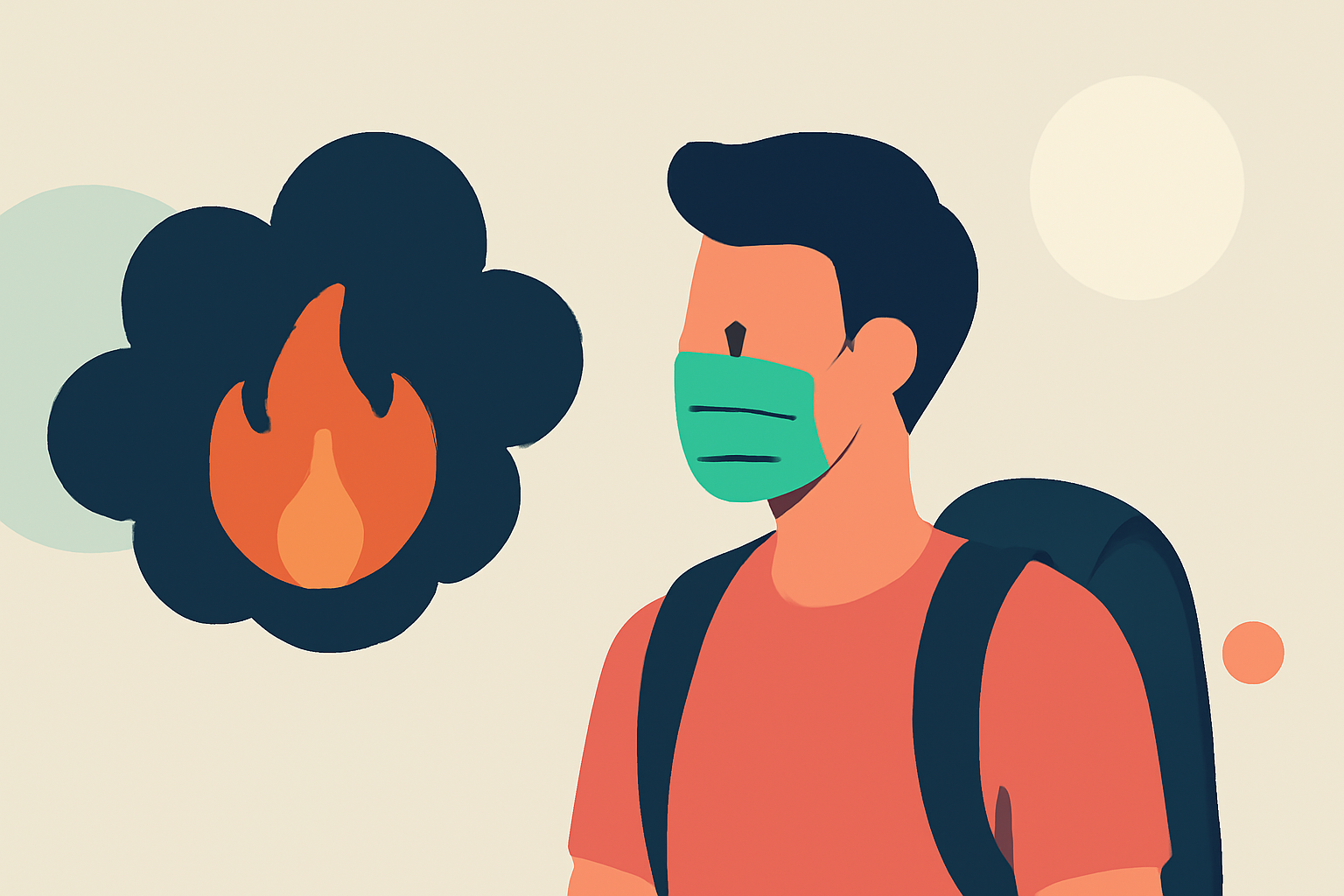
Traveling during wildfire season requires proactive measures to safeguard your health from smoke exposure. Wildfire smoke can irritate the eyes, nose, throat, and lungs, leading to coughing, wheezing, and difficulty breathing. Individuals with asthma, chronic obstructive pulmonary disease (COPD), heart disease, diabetes, chronic kidney disease, or those who are pregnant are particularly vulnerable. (cdc.gov)
Monitor Air Quality
Before and during your trip, regularly check the Air Quality Index (AQI) for your destination. The AQI provides real-time information on air pollution levels, helping you make informed decisions about outdoor activities. You can access AQI data at AirNow.gov or through your smartphone's weather app. (cdc.gov)
Limit Outdoor Activities
When the AQI indicates unhealthy air quality, it's advisable to minimize outdoor activities, especially strenuous exercises. If you must go outside, try to limit the duration and intensity of your activities to reduce smoke inhalation. (cdc.gov)
Create a Clean Indoor Environment
To reduce smoke exposure indoors:
-
Choose a Room with Minimal Outdoor Airflow: Select a room that can be sealed off from the outside air.
-
Use Air Filtration Systems: Utilize portable air cleaners or high-efficiency filters (preferably MERV 13 or higher) in your HVAC system to filter out smoke particles. (cdc.gov)
-
Avoid Indoor Pollutants: Refrain from burning candles, incense, or using gas stoves, as these can worsen indoor air quality.
Use Protective Equipment
If you need to go outside during smoky conditions, wearing a NIOSH-approved N95 respirator can help filter out harmful particles. Ensure the respirator fits snugly over your nose and under your chin without impairing vision. Note that N95 respirators may not be suitable for children under 2 years old. (cdc.gov)
Stay Informed and Prepared
Keep abreast of local air quality reports and follow guidance from local authorities. Develop an emergency plan that includes evacuation routes and shelter options. Ensure you have a supply of necessary medications and health supplies, especially if you have chronic health conditions. (cdc.gov)
By taking these precautions, you can significantly reduce the health risks associated with wildfire smoke during your travels.