
Wildfire Smoke Safety: Essential Guidelines for Protection
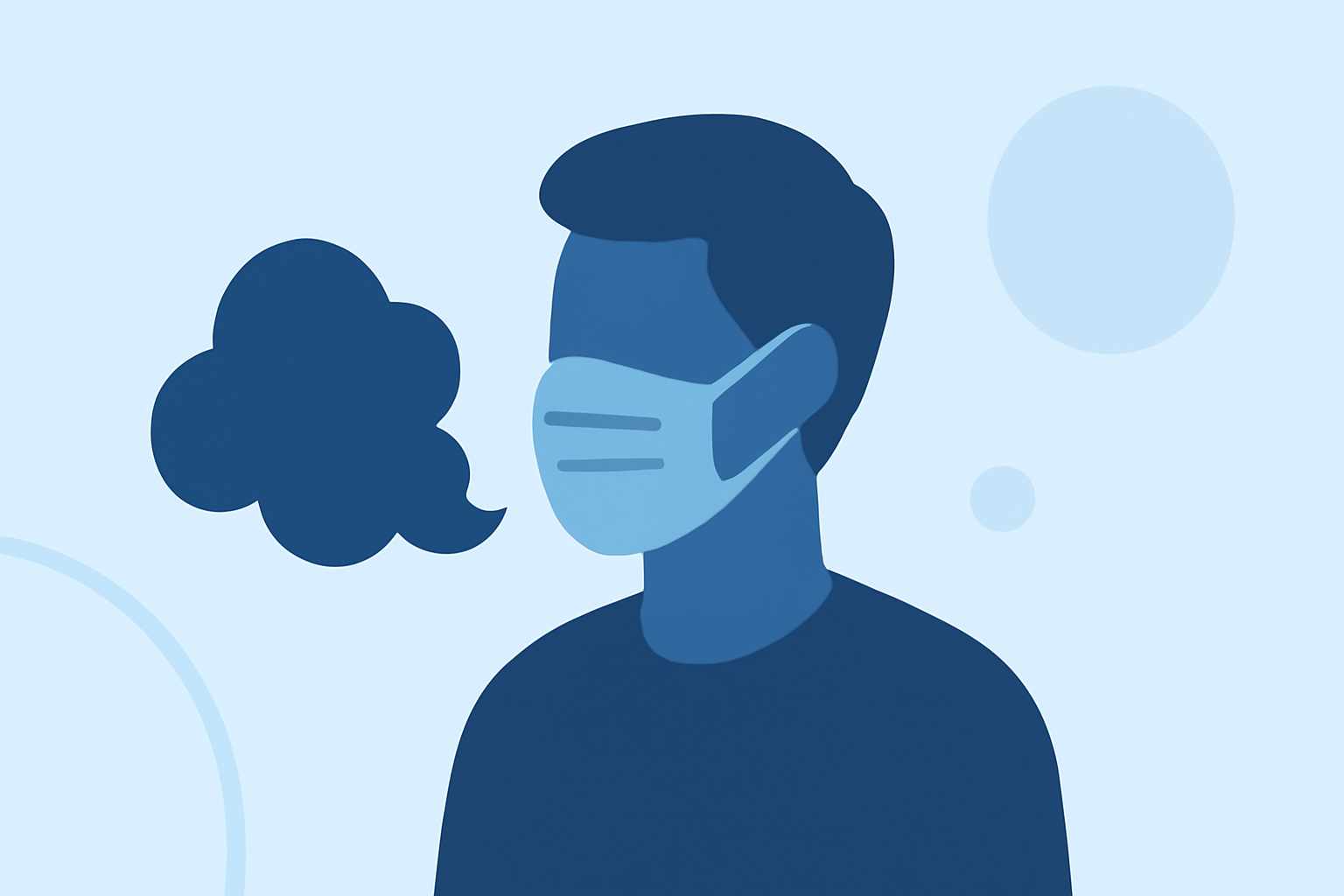
Wildfires pose significant health risks due to the smoke they produce, which can travel vast distances, affecting air quality and human health. Understanding how to protect yourself during such events is crucial.
What Are the Health Risks of Wildfire Smoke?
Wildfire smoke is a complex mixture of gases and fine particles from burning vegetation and other materials. Breathing in this smoke can lead to immediate health effects, including:
-
Coughing
-
Difficulty breathing
-
Wheezing
-
Asthma attacks
-
Stinging eyes
-
Scratchy throat
-
Runny nose
-
Irritated sinuses
-
Headaches
-
Tiredness
-
Chest pain
-
Fast heartbeat
Certain groups are at higher risk, including children, pregnant women, and individuals with chronic conditions such as asthma, COPD, heart disease, diabetes, or chronic kidney disease. These individuals should take extra precautions during wildfire events. (cdc.gov)
How Can You Protect Yourself from Wildfire Smoke?
-
Stay Informed: Monitor local air quality reports and follow guidance from health authorities. Websites like AirNow provide real-time air quality information. (cdc.gov)
-
Limit Outdoor Activities: When air quality is poor, reduce outdoor activities, especially strenuous ones. If you must go outside, wear a well-fitting NIOSH-approved respirator to filter out smoke particles. (cdc.gov)
-
Create a Clean Indoor Environment: Keep windows and doors closed to prevent smoke from entering. Use air purifiers with HEPA filters to reduce indoor smoke levels. Avoid using tobacco, candles, or other sources of indoor air pollution during smoky conditions. (cdc.gov)
-
Prepare for Emergencies: Develop a family disaster plan, including evacuation routes and emergency contacts. Ensure you have a 7-10 day supply of essential medications and supplies. (cdc.gov)
-
Protect Vulnerable Populations: Pay special attention to children, pregnant women, and individuals with chronic health conditions. Ensure they have access to clean air and follow medical advice during smoky conditions. (cdc.gov)
What Should You Do After a Wildfire?
Even after a wildfire has been extinguished, smoke and ash can linger, affecting air quality. To protect yourself:
-
Continue Monitoring Air Quality: Stay updated on air quality reports and take necessary precautions if levels remain unhealthy. (cdc.gov)
-
Clean Ash Safely: Wear protective gear, such as gloves and masks, when cleaning ash from indoor and outdoor surfaces. Avoid using vacuum cleaners that can stir up ash particles; instead, dampen the area and use a damp cloth to wipe surfaces. (cdc.gov)
How Does Clime Support Your Safety During Wildfire Events?
Clime offers real-time air quality monitoring, providing up-to-date information on smoke levels in your area. This feature helps you make informed decisions about outdoor activities and take necessary precautions to protect your health.
By staying informed and taking proactive measures, you can significantly reduce the health risks associated with wildfire smoke.
Highlights:
- Safety Guidelines: Wildfires and Wildfire Smoke | Wildfires | CDC, Published on Sunday, April 14
- Safety Guidelines: After a Wildfire | Wildfires | CDC, Published on Thursday, April 18
- Preparing for Wildfires | Wildfires | CDC, Published on Sunday, April 14