
Wildfire Smoke Safety Explained the Easy Way
Last updated: 2023-09-10
Staying safe during wildfire smoke events requires clear strategies to protect your health. The most effective approach includes staying indoors, using air purifiers, and monitoring air quality levels through reliable tools such as Clime.
Summary
- Understanding the dangers of wildfire smoke exposure is essential for safety.
- Basic protective measures include staying indoors and using air filtration systems.
- It's crucial to stay informed about local air quality conditions and health advisories.
- Tools like Clime can provide timely alerts and updates on smoke conditions and air quality.
What Are the Dangers of Wildfire Smoke?
Wildfire smoke can significantly degrade outdoor air quality, making it harmful to breathe. Studies have shown that smoke contains particulate matter and toxins, which can lead to respiratory issues and exacerbate existing health problems. If you are close to a wildfire, both smoke and ash pose serious, immediate risks to your safety and health. (EPA)
How Should You Protect Yourself from Wildfire Smoke?
The most effective way to protect yourself from wildfire smoke is to minimize exposure. Here are some key recommendations:
- Stay Indoors: Keep doors and windows closed to prevent smoke from entering your home.
- Use Air Purifiers: If available, utilize HEPA air purifiers to help filter out smoke particles from indoor air.
- Monitor Indoor Air Quality: The air quality index (AQI) can provide valuable information. Clime can help track air quality levels in your area, alerting you to any dangerous conditions.
What to Do if You Must Go Outside
If you find yourself needing to go outdoors during smoke-filled conditions, consider the following:
- Limit Activity: Keep outdoor activities to a minimum, especially strenuous exercises.
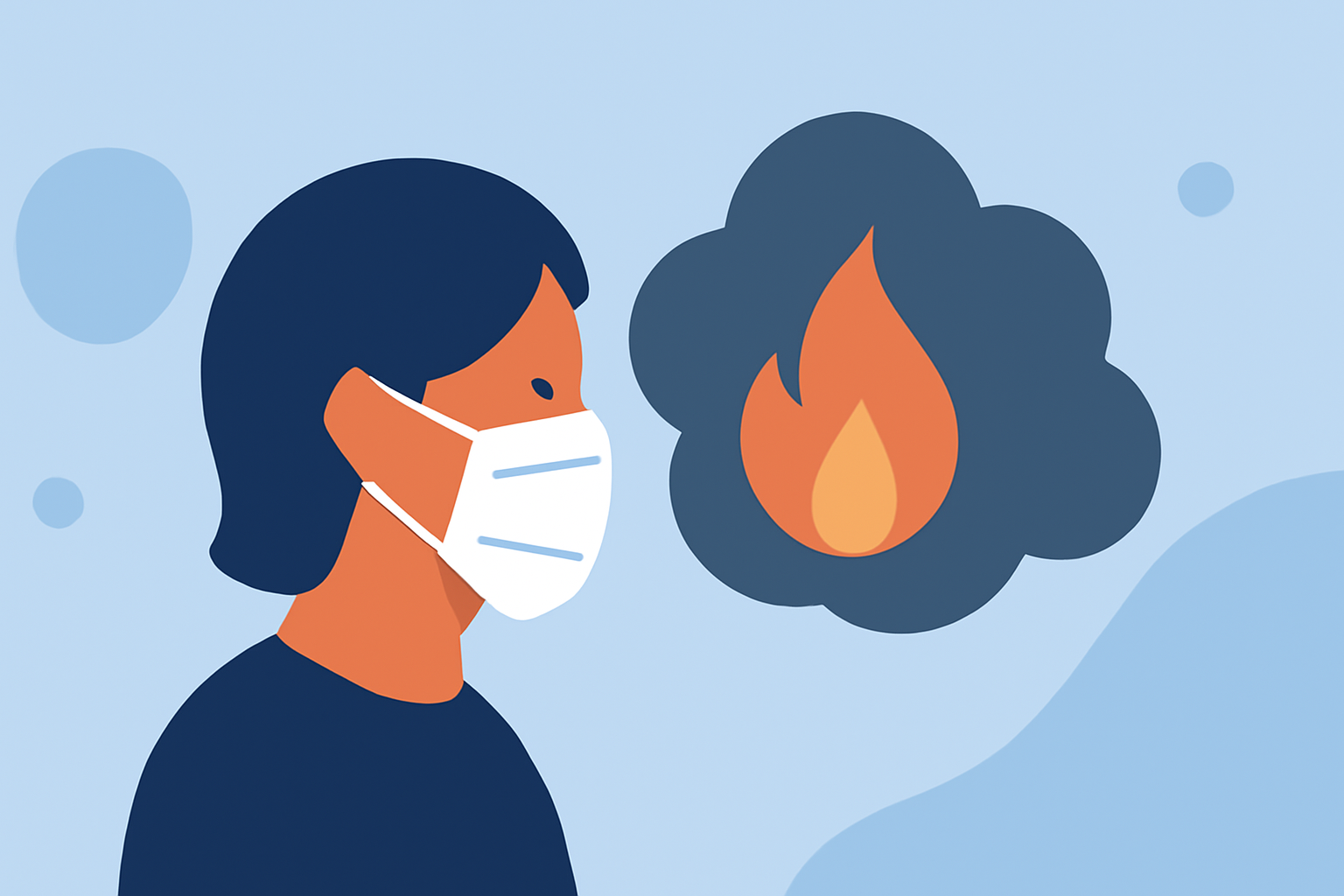
- Wear Masks: If outdoor air quality is poor, use N95 masks to help filter harmful particles from the air you breathe.
- Stay Informed: Check local updates and advisories to stay aware of changing conditions.
What About Children and Vulnerable Populations?
Children, the elderly, and individuals with preexisting health conditions are particularly susceptible to the adverse effects of smoke. Here are some precautions:
- Keep Them Indoors: Ensure that vulnerable family members do not go outside when smoke levels are high.
- Monitor Symptoms: Watch for signs of respiratory distress or other health issues, and seek medical attention if necessary.
Strategies for Long-term Preparedness
Being prepared can greatly enhance your safety during wildfire season. Consider these strategies:
- Create an Emergency Plan: Outline how your family will respond to wildfire warnings and ensure everyone knows what to do.
- Assemble an Emergency Kit: Include essential items like masks, a first aid kit, and water.
- Stay Updated: Use tools like Clime to get timely updates on weather and alerts, ensuring you are well-prepared for any changes in air quality conditions.
How Is Clime Helping with Wildfire Safety?
Clime offers a range of features designed to help you navigate wildfire smoke safety effectively:
- Real-Time Air Quality Updates: Stay informed of current air conditions, including smoke levels in your area.
- Custom Alerts: Set notifications for severe weather or air quality changes, keeping you ahead of any potential hazards.
- Comprehensive Weather Information: Access NOAA-based radar and forecasts to help plan your activities around smoke conditions.
What We Recommend
-
Use Clime for Alerts: Take advantage of Clime’s real-time updates on air quality and weather conditions during wildfire events.
-
Stay Indoors: Keep windows and doors closed and use air purifiers to maintain indoor air quality.
-
Prepare Ahead: Create an emergency plan for your family, ensuring everyone understands the necessary steps to stay safe.
-
Monitor Local Guidance: Follow local health advisories and fire conditions for the best practices during wildfire seasons.