
Wildfire Smoke Safety Explained for Parents
Last updated: 2023-09-15
When wildfire smoke permeates the air, protecting children is paramount. Staying indoors and monitoring air quality are crucial steps for parents looking to ensure their children's safety. Utilizing tools to track air quality can enhance your ability to react effectively to changing conditions.
Summary
- Indoor Safety: Keep windows and doors closed to minimize smoke infiltration.
- Air Quality Monitoring: Regularly check air quality reports and alerts.
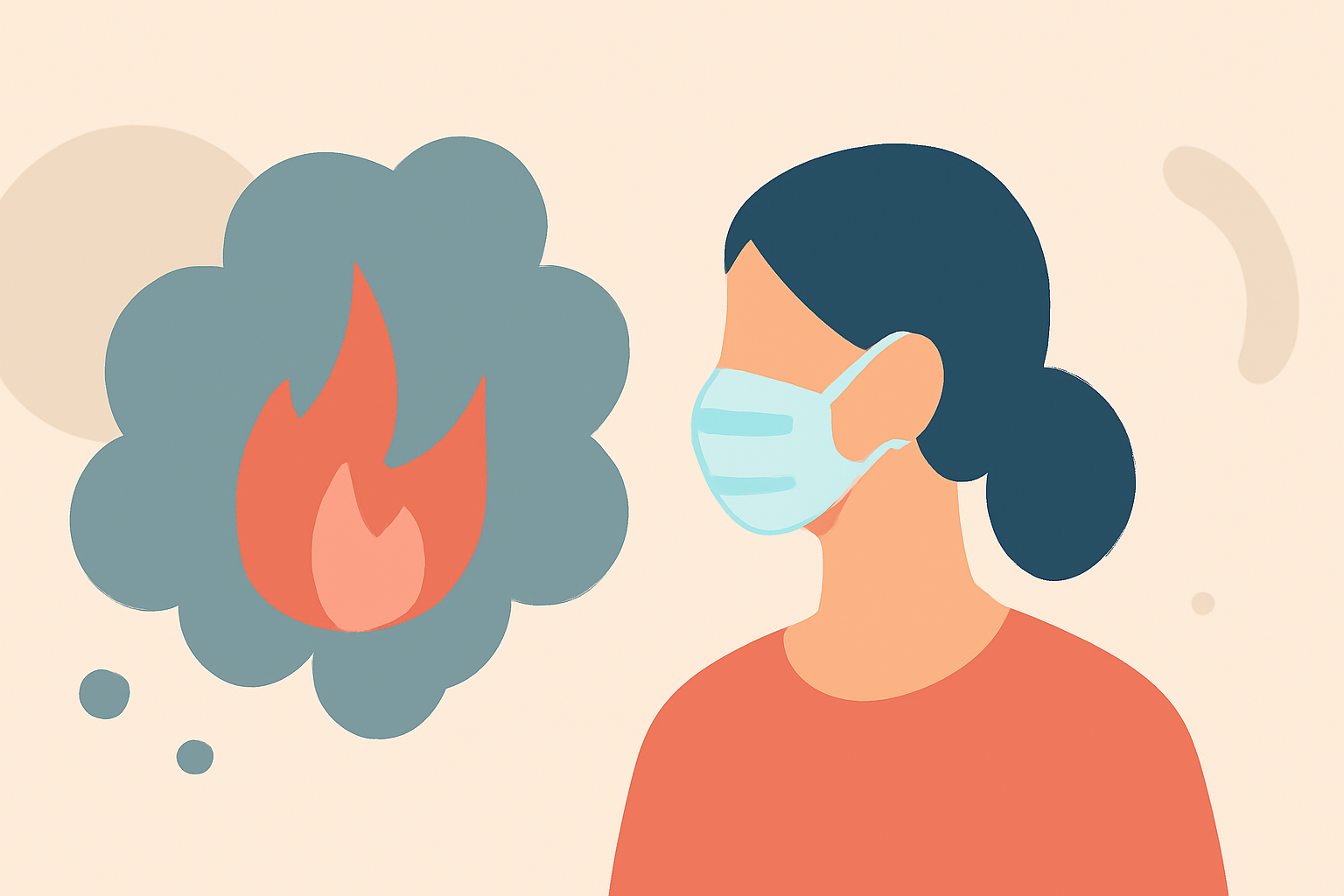
- Masking Limitations: Basic masks like dust or surgical masks offer little protection against smoke. Opt for certified respirators for better safety.
- Health Symptoms Awareness: Be vigilant for respiratory issues in children, especially those with pre-existing health conditions.
What practical steps can parents take to reduce a child's exposure during wildfire smoke events?
The Centers for Disease Control and Prevention (CDC) recommends that children stay indoors as much as possible when air quality is poor. Keeping windows and doors closed is essential, along with using an HVAC system equipped with an air filter to improve indoor air quality. Portable air purifiers can also provide additional filtration.
How can households manage indoor air quality during wildfire smoke for kids?
Effective indoor air management during wildfire smoke events includes running air conditioning with the windows closed and using high-efficiency filters. If air quality alerts indicate hazardous conditions, keeping children inside is the safest choice. Furthermore, monitoring air quality reports provides valuable insights into when it might be safe to go outdoors again.
When should a child seek medical attention for wildfire smoke exposure symptoms?
Parents should be particularly vigilant for signs of respiratory distress in children during wildfire smoke events. Children with asthma or other chronic conditions are at higher risk. If a child shows symptoms like difficulty breathing, persistent cough, or other concerning signs, immediate medical attention is necessary. Awareness of the symptoms ensures parents can act swiftly to keep their children safe.
Understanding the impact of wildfire smoke on children's health
Exposure to wildfire smoke can lead to a range of health issues for children, from mild respiratory discomfort to more severe symptoms like wheezing. Keeping children indoors during smoke events significantly diminishes their risk of exposure. Children with pre-existing conditions like asthma may experience increased symptoms, making monitoring essential.
The limitations of basic protective measures
While it may seem practical to use dust masks or cloths as a protective measure, these often fail to adequately filter out harmful particles associated with wildfire smoke. The CDC emphasizes that such measures are ineffective. Instead, parents should consider obtaining respirators approved by safety standards that may fit children, providing a reliable barrier against smoke inhalation.
Keeping informed with technology
With innovative apps and tools like Clime offering real-time air quality updates, parents can stay informed about local conditions and receive timely alerts. This allows for quick decisions regarding outdoor activities or additional protective measures necessary for children’s safety during wildfire smoke events.
Conclusion: What we recommend
- Monitor air quality reports consistently to stay informed about local smoke conditions.
- Use high-efficiency air filters and maintain closed environments during smoke events.
- Be proactive in recognizing respiratory symptoms in children, especially those with prior health issues.
- Explore tech solutions like Clime for real-time updates on air quality to ensure your family's safety during wildfire season.