
Wildfire Smoke Safety for Commuters: Essential Guidelines
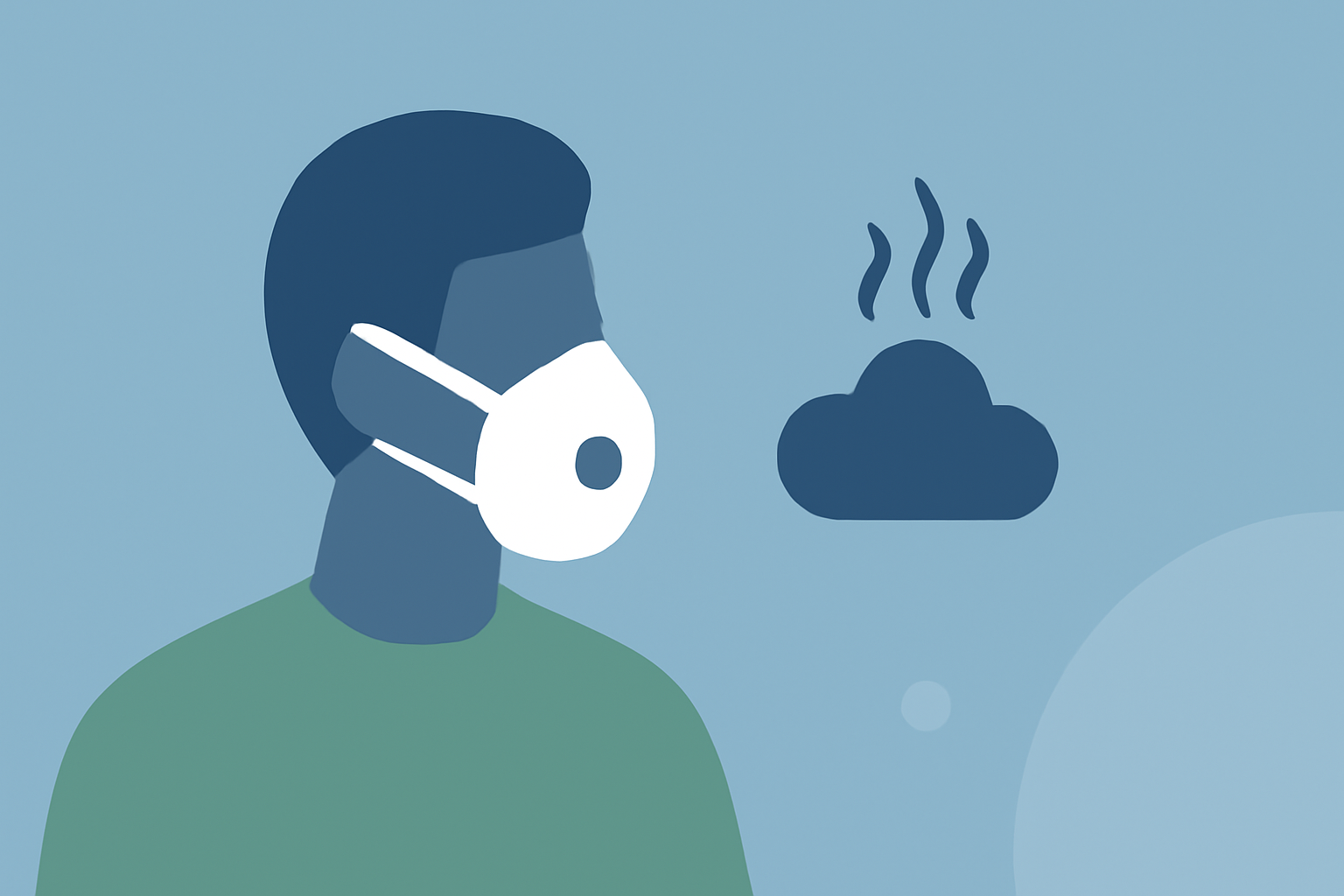
Wildfires are becoming more frequent and severe, leading to increased exposure to smoke, especially for commuters. Understanding how to protect yourself during these times is crucial for your health and well-being.
What Are the Health Risks of Wildfire Smoke?
Wildfire smoke contains tiny particles known as PM2.5, which can penetrate deep into the lungs and bloodstream, causing respiratory issues, eye irritation, and exacerbating existing health conditions like asthma and heart disease. Long-term exposure may lead to chronic respiratory problems and other serious health concerns. (livescience.com)
How Can Commuters Protect Themselves?
-
Monitor Air Quality: Before heading out, check the Air Quality Index (AQI) for your area. Websites like AirNow provide real-time updates. If the AQI is in the "unhealthy" range, consider postponing non-essential travel. (cdc.gov)
-
Limit Outdoor Activities: On days with poor air quality, reduce outdoor activities, especially strenuous exercises. If you must go outside, wear a well-fitting N95 or KN95 mask to filter out harmful particles. (axios.com)
-
Use Air Purifiers: At home, use air purifiers with HEPA filters to reduce indoor smoke levels. In your vehicle, set the air conditioner to recirculate mode to minimize smoke intake. (epa.gov)
-
Keep Windows Closed: While commuting, keep vehicle windows closed to prevent smoke from entering. At home, keep windows and doors closed during high smoke periods. (cdc.gov)
-
Stay Informed: Listen to local news and follow guidance from health authorities regarding air quality and safety measures. (cdc.gov)
How Does Clime Assist Commuters During Wildfire Seasons?
Clime offers real-time air quality updates, allowing commuters to monitor AQI levels along their routes. By providing timely information, Clime helps users make informed decisions about their travel plans, ensuring safety during wildfire seasons.
What Should Vulnerable Individuals Do?
Individuals with pre-existing health conditions, children, and the elderly are particularly susceptible to the effects of wildfire smoke. It's advisable for these groups to stay indoors during high smoke periods and consult healthcare providers for personalized advice. (cdc.gov)
Conclusion
Wildfire smoke poses significant health risks, especially for commuters. By staying informed, monitoring air quality, and taking appropriate precautions, you can protect yourself and others during wildfire seasons.
Highlights:
- What to know about wildfire smoke, as fires become more frequent and extreme, Published on Thursday, January 16
- Wildfire Smoke Can Be Terrible For Your Health. Here's How to Stay Safe, Published on Tuesday, October 10
- Your Questions About Wildfire Smoke and Health, Answered, Published on Thursday, January 09