
Wildfire Smoke Safety for Gardeners: Essential Guidelines
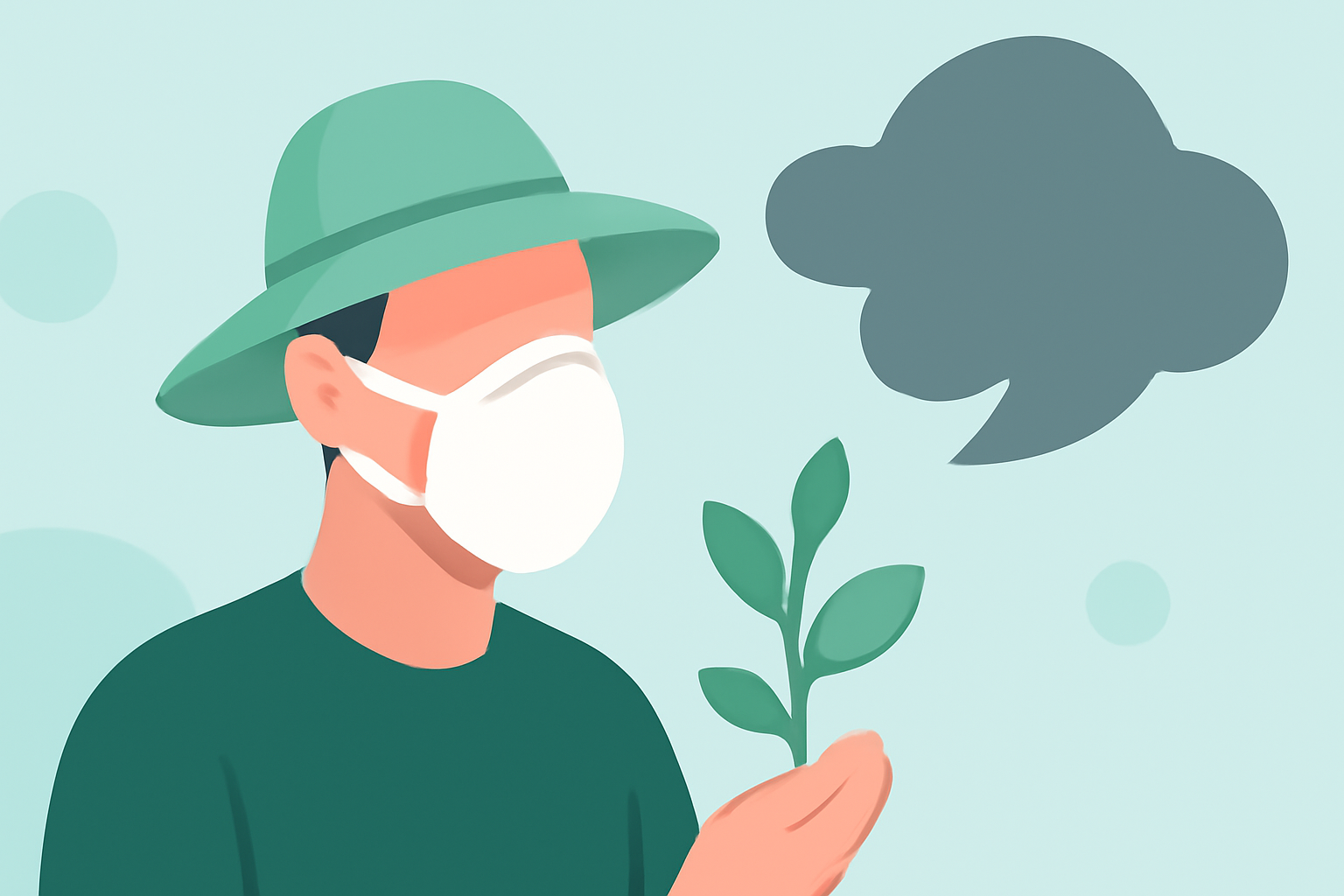
Wildfires pose significant challenges to gardeners, not only threatening personal safety but also impacting plant health. Understanding the effects of wildfire smoke and implementing protective measures are crucial for maintaining a thriving garden during such events.
How Does Wildfire Smoke Affect Gardens?
Wildfire smoke contains a complex mixture of gases and fine particles that can infiltrate gardens, leading to several adverse effects:
-
Reduced Sunlight: Smoke particles can block sunlight, hindering photosynthesis and slowing plant growth.
-
Ash Deposition: Ash settling on leaves and soil can cause physical damage and alter soil pH, affecting nutrient availability.
-
Pollutant Exposure: Toxic compounds in smoke can be absorbed by plants, potentially entering the food chain.
What Are the Health Risks of Wildfire Smoke?
Exposure to wildfire smoke poses health risks, including:
-
Respiratory Issues: Coughing, wheezing, and difficulty breathing.
-
Eye Irritation: Stinging eyes and scratchy throat.
-
Cardiovascular Effects: Increased heart rate and chest pain.
Individuals with pre-existing conditions like asthma, COPD, heart disease, diabetes, chronic kidney disease, or those who are pregnant are particularly vulnerable. (cdc.gov)
How Can Gardeners Protect Their Gardens?
To safeguard your garden during wildfire smoke events:
-
Monitor Air Quality: Regularly check the Air Quality Index (AQI) at AirNow.gov to assess smoke levels.
-
Limit Outdoor Activities: Reduce time spent in the garden during periods of heavy smoke to minimize exposure.
-
Protect Sensitive Plants: Cover delicate plants with breathable cloths to shield them from ash and smoke.
-
Water Wisely: Ensure plants receive adequate water to help them cope with stress from smoke exposure.
How Can Gardeners Protect Themselves?
To protect personal health during wildfire smoke events:
-
Stay Informed: Keep abreast of local air quality reports and follow guidance from local authorities.
-
Limit Exposure: Stay indoors with windows and doors closed during periods of heavy smoke.
-
Use Protective Gear: If outdoor activity is necessary, wear a well-fitting N95 or KN95 mask to filter out harmful particles. (axios.com)
-
Maintain Indoor Air Quality: Use air purifiers with HEPA filters to reduce indoor smoke levels.
What Are the Long-Term Effects of Wildfire Smoke on Gardens?
While some plants may recover over time, prolonged exposure to smoke can lead to:
-
Stunted Growth: Reduced photosynthesis can hinder plant development.
-
Decreased Yields: Fruits and vegetables may be smaller and less abundant.
-
Soil Degradation: Ash can alter soil properties, affecting nutrient availability.
How Can Gardeners Support Plant Recovery Post-Wildfire?
To aid in plant recovery after smoke exposure:
-
Assess Plant Health: Look for signs of stress such as yellowing leaves or reduced growth.
-
Prune Damaged Areas: Remove any burnt or damaged foliage to encourage new growth.
-
Fertilize Appropriately: Once new growth appears, apply balanced fertilizers to support recovery.
-
Maintain Proper Watering: Ensure consistent watering to help plants bounce back.
By understanding the impacts of wildfire smoke and taking proactive measures, gardeners can protect their plants and themselves during wildfire events.
Highlights:
- How to help your yard and plants recover from the effects of wildfire smoke - expert garden advice to heal your borders, Published on Friday, July 25
- Wildfire Smoke Can Be Terrible For Your Health. Here's How to Stay Safe, Published on Tuesday, October 10
- How to protect yourself from wildfire smoke, Published on Wednesday, June 07