
Wildfire Smoke Safety for Travelers: Essential Guidelines
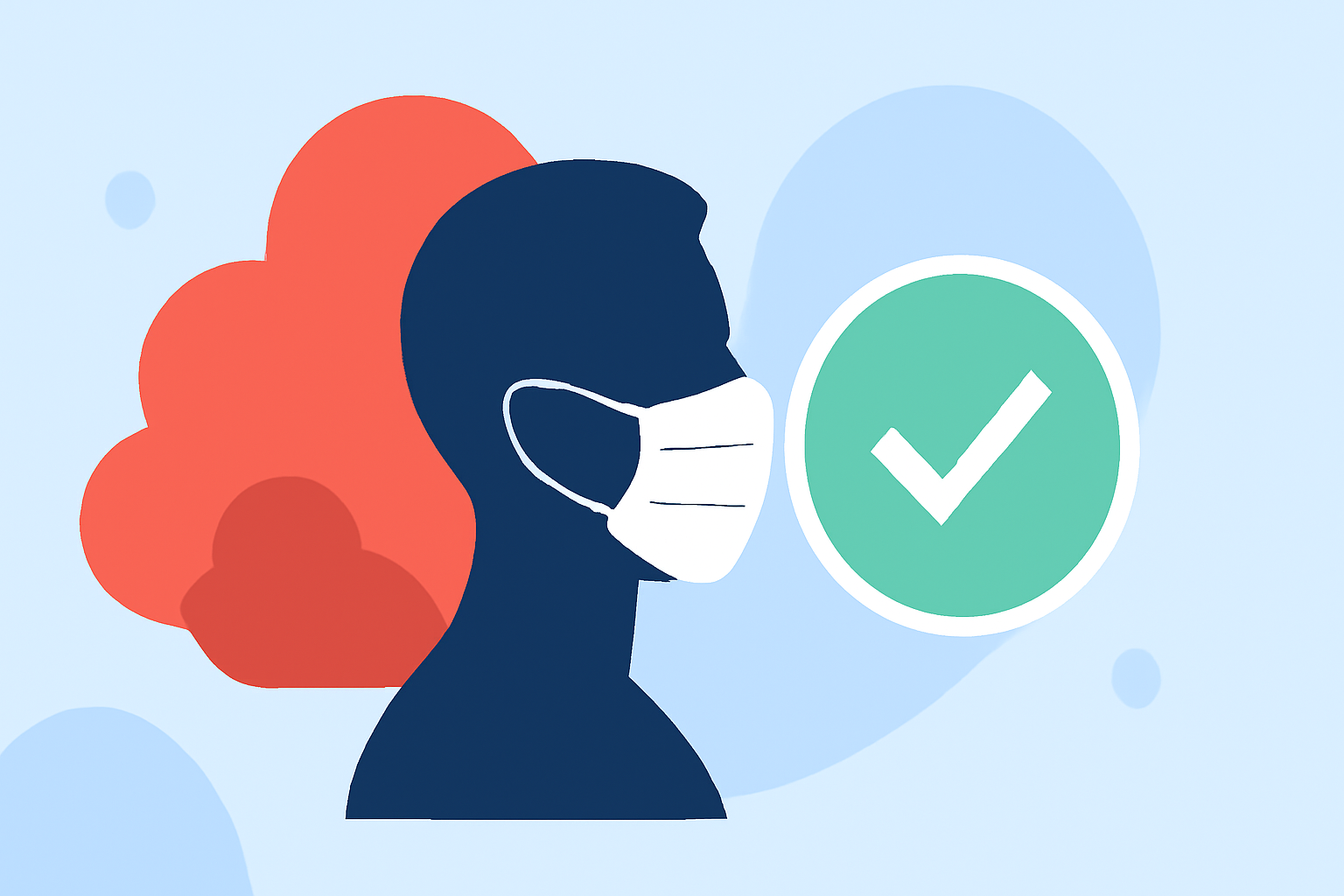
Wildfires are increasingly affecting air quality across the United States, posing health risks to travelers. Understanding how to protect yourself from wildfire smoke is crucial for a safe journey.
What Are the Health Risks of Wildfire Smoke?
Wildfire smoke contains fine particles that can irritate the eyes, nose, throat, and lungs, leading to coughing, wheezing, and difficulty breathing. Individuals with asthma, chronic obstructive pulmonary disease (COPD), heart disease, diabetes, chronic kidney disease, or those who are pregnant are particularly vulnerable. Even healthy individuals can experience adverse effects. (cdc.gov)
How Can I Monitor Air Quality During My Travels?
Before and during your trip, regularly check the Air Quality Index (AQI) to assess smoke levels in your destination. The AQI provides real-time information on air quality, helping you make informed decisions about outdoor activities. (cdc.gov)
What Precautions Should I Take When Outdoors?
-
Limit Outdoor Activities: Reduce time spent outside, especially during periods of high smoke concentration.
-
Wear Protective Gear: If you must go outside, wear a well-fitting N95 or KN95 respirator to filter out harmful particles. Note that standard dust or surgical masks are ineffective against wildfire smoke. (axios.com)
-
Stay Informed: Listen to local news and follow guidance from health authorities regarding air quality and safety measures.
How Can I Protect Myself Indoors?
-
Stay Inside: Keep windows and doors closed to prevent smoke from entering.
-
Use Air Purifiers: Utilize air purifiers with HEPA filters to reduce indoor smoke levels. Alternatively, create a DIY air purifier using a box fan and a MERV 13 filter. (axios.com)
-
Avoid Indoor Pollutants: Refrain from activities that can worsen indoor air quality, such as smoking, burning candles, or using gas stoves.
What Should I Do if I Experience Health Symptoms?
If you develop symptoms like coughing, wheezing, or shortness of breath, seek medical attention promptly. Individuals with pre-existing health conditions should consult their healthcare providers for personalized advice. (cdc.gov)
How Can I Prepare for Future Wildfire Seasons?
-
Stay Informed: Keep abreast of wildfire activity in areas you plan to visit.
-
Develop an Emergency Plan: Know evacuation routes and have a plan in place for emergencies.
-
Pack Essential Items: Include medications, important documents, and supplies in your travel kit.
By taking these precautions, you can significantly reduce your exposure to wildfire smoke and protect your health during your travels.
Highlights:
- How to protect yourself from wildfire smoke, Published on Wednesday, June 07
- Wildfire Smoke Can Be Terrible For Your Health. Here's How to Stay Safe, Published on Tuesday, October 10
- What to know about wildfire smoke, as fires become more frequent and extreme, Published on Thursday, January 16