
Ensuring Safety During Outdoor Events Amidst Wildfire Smoke
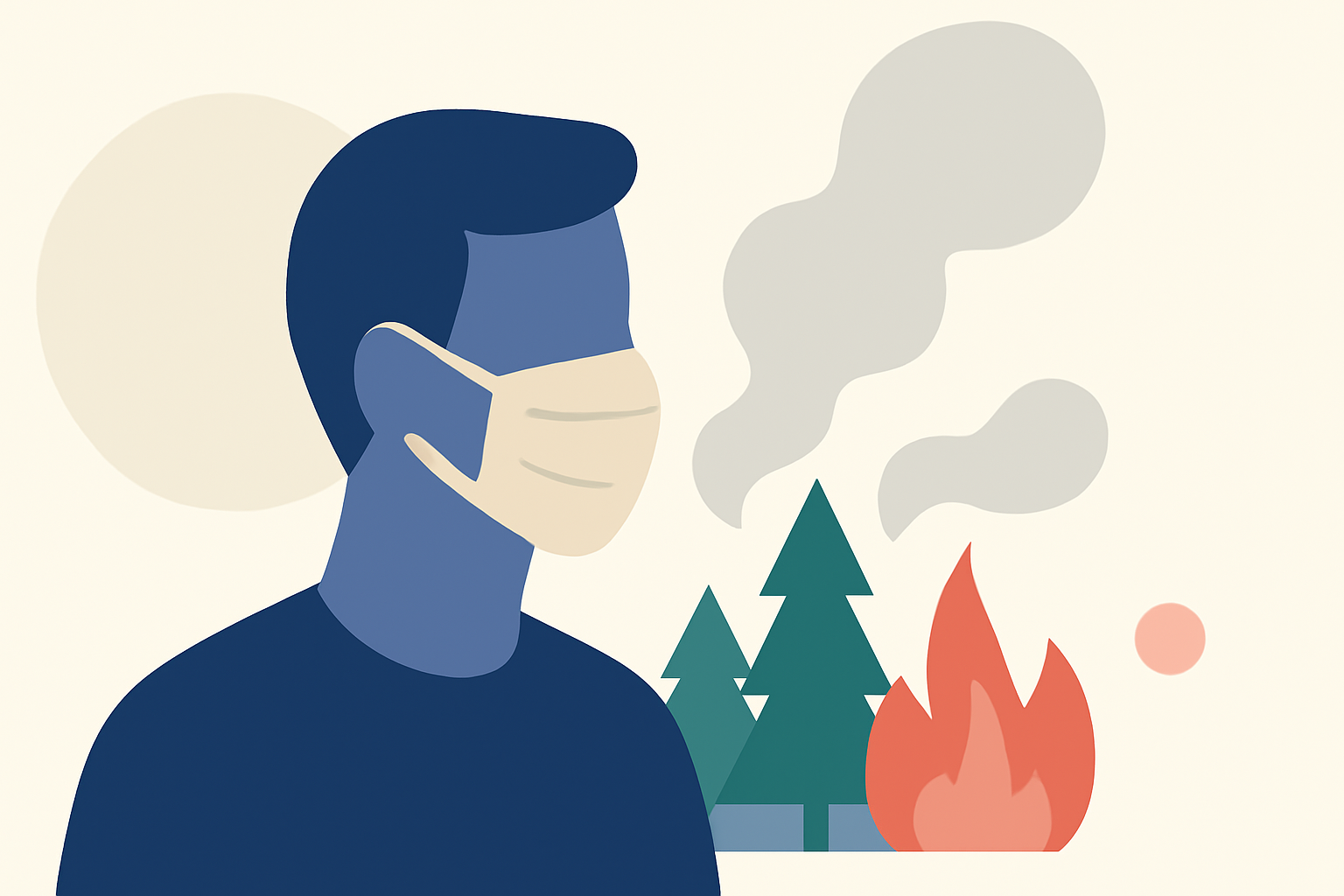
Wildfires pose significant health risks, especially during outdoor events. Understanding and mitigating these risks is crucial for organizers and attendees.
What Are the Health Risks of Wildfire Smoke?
Wildfire smoke is a complex mixture of gases and fine particles produced when wood and other organic materials burn. Inhaling this smoke can lead to:
- Eye irritation
- Coughing
- Wheezing
- Aggravation of asthma and other lung diseases
- Heart problems
Certain groups, including children, older adults, and individuals with pre-existing health conditions, are particularly vulnerable. (cdc.gov)
How Can You Monitor Air Quality?
Regularly checking the Air Quality Index (AQI) is essential. The AQI provides real-time information on air pollution levels, helping you assess the safety of outdoor activities. You can access AQI data through local weather apps or websites. (cdc.gov)
What Precautions Should Be Taken During Outdoor Events?
-
Limit Outdoor Activities: If the AQI indicates unhealthy air quality, consider postponing or relocating outdoor events.
-
Provide Shelter: Ensure that attendees have access to indoor areas with clean air.
-
Use Respirators: For necessary outdoor exposure, provide NIOSH-approved N95 respirators to filter out harmful particles. (epa.gov)
-
Stay Informed: Keep attendees updated on air quality conditions and any changes to event plans.
How Can Clime Assist in Managing Outdoor Events During Wildfire Smoke?
Clime offers advanced weather monitoring tools that provide real-time AQI data, enabling event organizers to make informed decisions about event scheduling and safety measures. By integrating Clime's services, you can proactively manage the impact of wildfire smoke on your events, ensuring the health and safety of all participants.
What Are the Symptoms of Wildfire Smoke Exposure?
Exposure to wildfire smoke can cause:
- Eye irritation
- Coughing
- Wheezing
- Shortness of breath
- Chest pain
Individuals with existing health conditions may experience exacerbated symptoms. (cdc.gov)
How Can You Protect Yourself from Wildfire Smoke?
-
Stay Indoors: Limit outdoor activities during periods of high smoke exposure.
-
Create a Clean Room: Designate an indoor area with minimal windows and doors, and use air purifiers to reduce smoke infiltration. (epa.gov)
-
Use Respirators: When going outside is unavoidable, wear a well-fitting N95 respirator to filter out harmful particles. (epa.gov)
What Should You Do After a Wildfire?
Even after a wildfire has been extinguished, smoke and ash can persist in the environment. To protect yourself:
-
Continue Monitoring Air Quality: Stay updated on AQI levels in your area.
-
Clean Ash Safely: Wear protective gear when cleaning ash from indoor and outdoor surfaces to prevent irritation. (cdc.gov)
By understanding the risks associated with wildfire smoke and implementing these safety measures, you can help ensure the well-being of all participants during outdoor events.
Highlights:
- Safety Guidelines: Wildfires and Wildfire Smoke | Wildfires | CDC, Published on Sunday, April 14
- Strategies to Reduce Exposure Outdoors | US EPA, Published on Monday, September 29
- Wildfires and Indoor Air Quality (IAQ) | US EPA, Published on Thursday, April 24