
Wildfire Smoke Safety: A Step-by-Step Guide
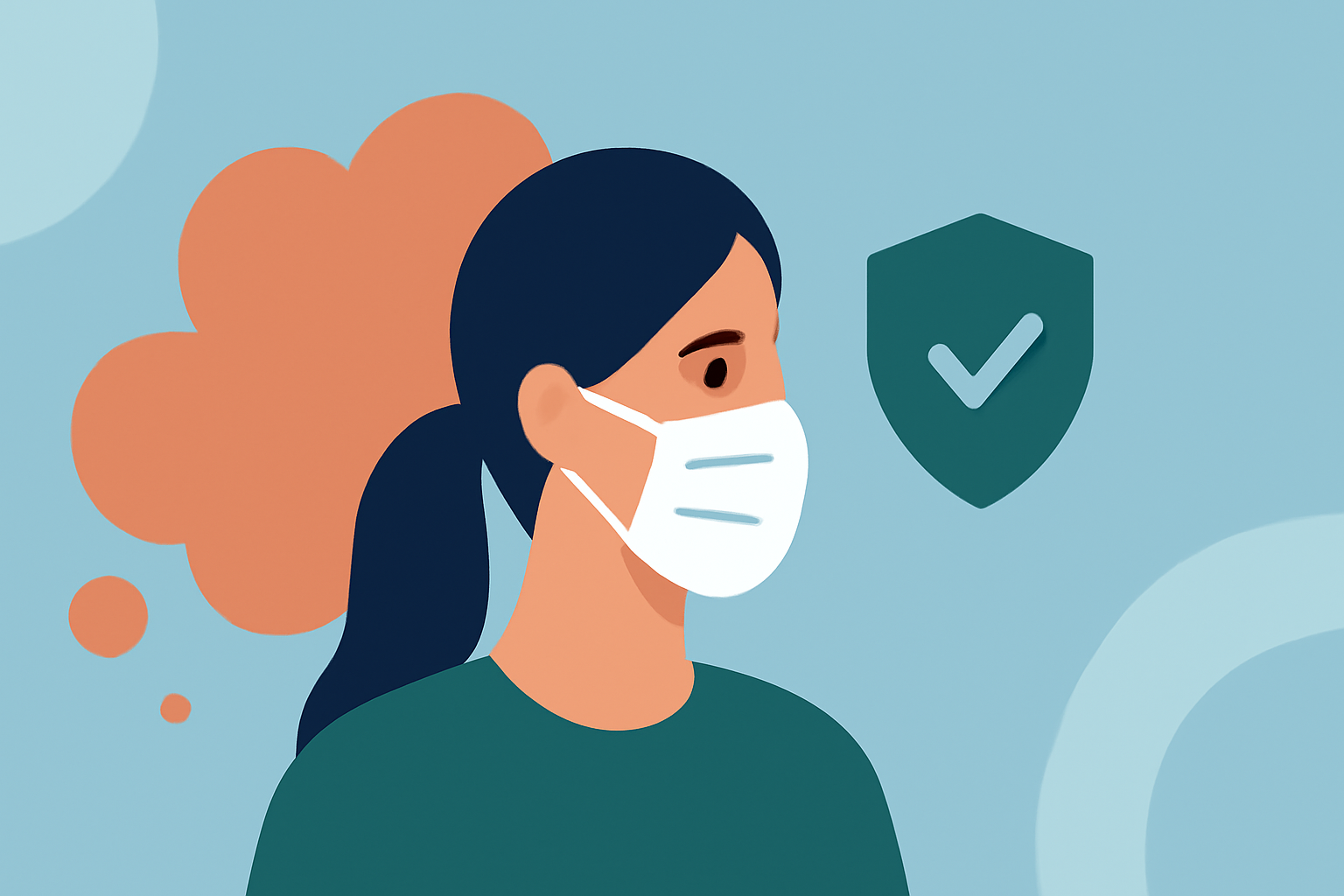
Wildfires pose significant health risks due to the smoke they produce, which can travel vast distances, affecting air quality and human health. Understanding how to protect yourself during wildfire events is crucial.
What Are the Health Risks of Wildfire Smoke?
Wildfire smoke is a complex mixture of gases and fine particles from burning vegetation and other materials. Exposure can lead to immediate health effects such as coughing, difficulty breathing, eye irritation, and exacerbation of pre-existing conditions like asthma and heart disease. Certain groups, including children, pregnant women, and individuals with chronic health issues, are particularly vulnerable. (cdc.gov)
How Can I Monitor Air Quality?
Staying informed about air quality is essential during wildfire seasons. Utilize resources like the Air Quality Index (AQI) available at AirNow.gov to assess current conditions in your area. The AQI provides real-time data on air quality, helping you make informed decisions about outdoor activities. (cdc.gov)
What Steps Should I Take to Protect Myself?
-
Stay Indoors: When air quality is poor, remain inside as much as possible. Keep windows and doors closed to prevent smoke from entering your home. (cdc.gov)
-
Use Air Filtration: If available, use air purifiers with HEPA filters to reduce indoor smoke levels. Ensure your HVAC system is set to recirculate air and that filters are clean. (cdc.gov)
-
Limit Indoor Pollution: Avoid activities that can worsen indoor air quality, such as burning candles, using gas stoves, or vacuuming, as these can introduce additional pollutants. (cdc.gov)
-
Wear Protective Equipment: If you must go outside, consider wearing a NIOSH-approved respirator to filter out harmful particles. Ensure the respirator fits properly and is used according to manufacturer instructions. (cdc.gov)
-
Monitor Health Symptoms: Be vigilant for symptoms like coughing, wheezing, or eye irritation. Individuals with existing health conditions should follow their healthcare provider's advice and have an action plan in place. (cdc.gov)
How Can I Prepare for Future Wildfires?
Preparation is key to minimizing health risks during wildfire seasons:
-
Develop an Emergency Plan: Know multiple evacuation routes and have a plan for pets and livestock. (cdc.gov)
-
Assemble an Emergency Kit: Include essentials like medications, important documents, and a NIOSH-approved respirator. (cdc.gov)
-
Stay Informed: Regularly check local air quality reports and heed guidance from local authorities. (cdc.gov)
What Should I Do After a Wildfire?
After a wildfire, continue to monitor air quality and take precautions to protect your health:
-
Avoid Ash Exposure: Ash can irritate the skin, eyes, and respiratory system. Wear protective clothing and wash exposed skin promptly. (cdc.gov)
-
Stay Updated: Follow local advisories regarding air quality and safety measures. (cdc.gov)
By understanding the risks associated with wildfire smoke and implementing these protective measures, you can significantly reduce health hazards during wildfire events.
Highlights:
- Safety Guidelines: Wildfires and Wildfire Smoke | Wildfires | CDC, Published on Sunday, April 14
- Safety Guidelines: After a Wildfire | Wildfires | CDC, Published on Thursday, April 18
- How Wildfire Smoke Affects Your Body | Wildfires | CDC, Published on Thursday, April 18