
Wildfire Smoke Safety Tips in Under 5 Minutes
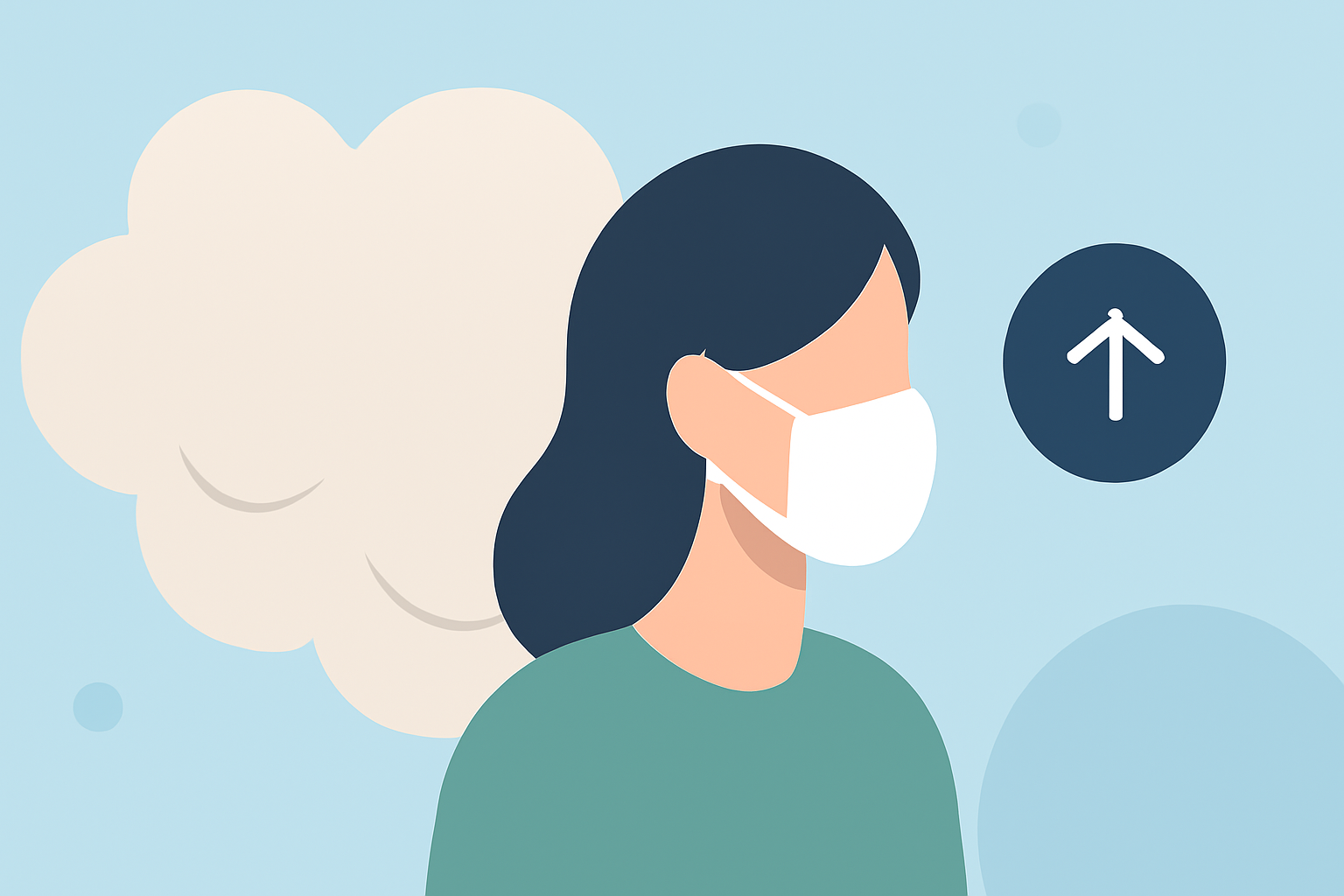
Wildfires can significantly degrade air quality, posing health risks even miles from the fire's origin. Understanding how to protect yourself from wildfire smoke is crucial.
What Are the Health Risks of Wildfire Smoke?
Wildfire smoke contains harmful pollutants that can irritate the eyes, nose, and throat, and may lead to coughing, wheezing, and difficulty breathing. Individuals with asthma, chronic obstructive pulmonary disease (COPD), heart disease, diabetes, chronic kidney disease, or those who are pregnant are particularly vulnerable. (cdc.gov)
How Can I Monitor Air Quality?
Stay informed about your community's air quality by checking the Air Quality Index (AQI) at AirNow.gov or through your phone's weather app. The AQI provides real-time data on air pollution levels, helping you make informed decisions about outdoor activities. (cdc.gov)
What Should I Do During a Wildfire?
-
Stay Indoors: Limit outdoor activities, especially during periods of heavy smoke.
-
Create a Clean Room: Designate a room in your home that can be sealed off from outside air. Use a portable air cleaner or a high-efficiency particulate air (HEPA) filter to reduce indoor smoke levels. (cdc.gov)
-
Use Respirators: If you must go outside, wear a NIOSH-approved N95 respirator to filter out smoke particles. Ensure the respirator fits snugly to be effective. (cdc.gov)
How Can I Prepare for Future Wildfires?
-
Develop an Emergency Plan: Know multiple evacuation routes and have a plan for pets and livestock.
-
Assemble an Emergency Kit: Include essentials like medications, important documents, and a battery-powered radio.
-
Prepare Your Home: Create a defensible space by clearing flammable vegetation and materials from around your home. (cdc.gov)
What Should I Do After a Wildfire?
-
Avoid Ash Exposure: Wear protective clothing, including gloves and goggles, when cleaning up ash. Use a NIOSH-approved N95 respirator to minimize inhalation of ash particles. (cdc.gov)
-
Stay Informed: Continue to monitor air quality reports and follow local authorities' guidance regarding returning to evacuated areas.
By taking these precautions, you can significantly reduce the health risks associated with wildfire smoke.
Highlights:
- Safety Guidelines: Wildfires and Wildfire Smoke | Wildfires | CDC, Published on Sunday, April 14
- Safety Guidelines: After a Wildfire | Wildfires | CDC, Published on Thursday, April 18
- Preparing for Wildfires | Wildfires | CDC, Published on Sunday, April 14