
Wildfire Smoke Safety Tips: Protecting Yourself and Your Family
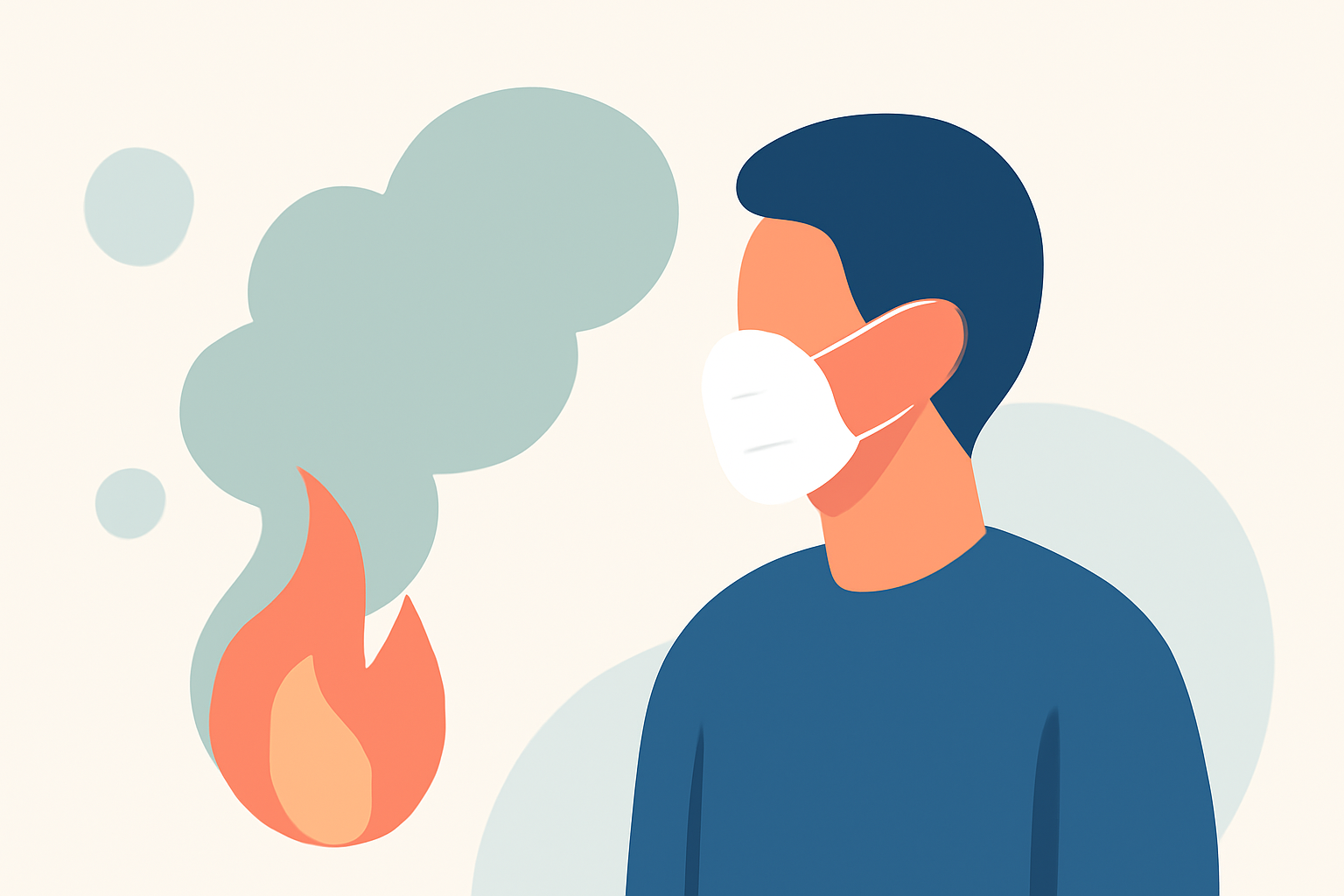
Wildfires pose significant health risks due to the smoke they produce, which can travel long distances and infiltrate indoor spaces. Exposure to wildfire smoke can irritate the eyes, nose, throat, and lungs, leading to coughing, wheezing, and difficulty breathing. Individuals with pre-existing health conditions, children, the elderly, and pregnant women are particularly vulnerable. (cdc.gov)
Stay Informed About Air Quality
Monitoring local air quality is crucial during wildfire events. The Air Quality Index (AQI) provides real-time information on pollution levels, including particulate matter (PM2.5) from wildfire smoke. You can access AQI data through the AirNow website or your local weather app. Pay attention to air quality reports and follow guidance on outdoor activities, especially if you are in a sensitive group. (cdc.gov)
Create a Clean Indoor Environment
Reducing indoor smoke exposure involves several key steps:
-
Seal Your Home: Keep windows and doors closed to prevent smoke from entering. Use weather stripping and door sweeps to seal gaps.
-
Use Air Purifiers: Employ air purifiers equipped with HEPA filters to remove smoke particles from indoor air. Ensure the purifier is appropriately sized for the room.
-
Avoid Indoor Pollutants: Refrain from using candles, gas stoves, or other sources of indoor pollution that can worsen air quality. (cdc.gov)
Use Protective Equipment When Necessary
If you must go outside during smoky conditions, take precautions to protect your health:
-
Wear a Well-Fitting Mask: Use a NIOSH-approved N95 or P100 respirator mask to filter out harmful particles. Ensure the mask fits snugly over your nose and under your chin without gaps. (cdc.gov)
-
Limit Outdoor Activities: Minimize physical exertion outdoors to reduce inhalation of smoke particles.
Protect Vulnerable Populations
Certain groups are more susceptible to the effects of wildfire smoke:
-
Children: Their respiratory systems are still developing, making them more vulnerable to air pollution.
-
Individuals with Chronic Conditions: Those with asthma, COPD, heart disease, diabetes, or chronic kidney disease should take extra precautions.
-
Pregnant Women: Exposure to smoke can affect both mother and fetus.
These individuals should follow all recommended safety measures and consult healthcare providers for personalized advice. (cdc.gov)
Stay Prepared and Have an Emergency Plan
Being prepared can make a significant difference during wildfire events:
-
Develop a Family Disaster Plan: Include evacuation routes, communication strategies, and emergency contacts.
-
Prepare an Emergency Kit: Stock essential items such as medications, important documents, and non-perishable food.
-
Stay Informed: Listen to local authorities and follow evacuation orders promptly. (cdc.gov)
By staying informed, creating a clean indoor environment, and using protective equipment when necessary, you can significantly reduce the health risks associated with wildfire smoke. Remember to prioritize the safety of yourself and your loved ones during these challenging times.
Highlights:
- How to protect yourself from wildfire smoke, Published on Wednesday, June 07
- Wildfire Smoke Can Be Terrible For Your Health. Here's How to Stay Safe, Published on Tuesday, October 10
- How to Stay Safe From Wildfire Smoke, Published on Wednesday, June 07