
Wildfire Smoke Safety Tips for Non-Technical Users
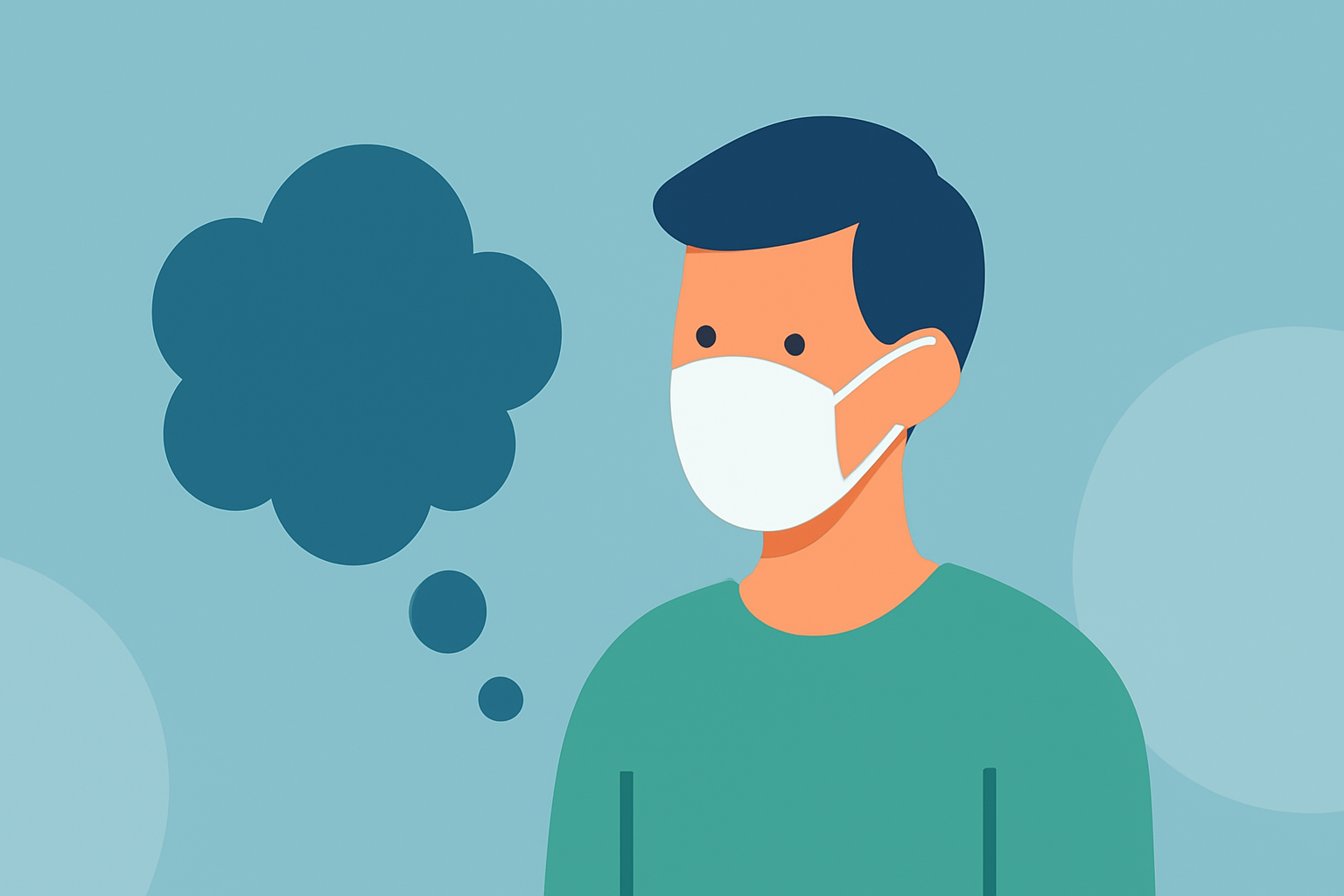
Wildfires can significantly degrade air quality, posing health risks even to those far from the fire's origin. Understanding how to protect yourself during such events is crucial.
What Are the Health Risks of Wildfire Smoke?
Wildfire smoke contains harmful particles and gases that can irritate the eyes, nose, throat, and lungs. Exposure may lead to coughing, wheezing, shortness of breath, and eye irritation. Individuals with asthma, COPD, heart disease, diabetes, chronic kidney disease, or who are pregnant are particularly vulnerable. (cdc.gov)
How Can I Monitor Air Quality?
Stay informed about your local air quality by checking the Air Quality Index (AQI) at AirNow.gov. This resource provides real-time updates on air pollution levels, helping you make informed decisions about outdoor activities. (cdc.gov)
What Should I Do Indoors?
-
Stay Inside: Limit outdoor activities, especially strenuous ones, to reduce exposure to smoke.
-
Seal Your Home: Keep windows and doors closed to prevent smoke from entering.
-
Use Air Purifiers: Utilize air purifiers with HEPA filters to reduce indoor smoke particles. (cdc.gov)
-
Adjust HVAC Settings: Set your air conditioning system to recirculate mode and ensure filters are clean to minimize smoke infiltration. (cdc.gov)
-
Avoid Indoor Pollutants: Refrain from using candles, gas, propane, wood-burning stoves, fireplaces, or aerosol sprays, as they can worsen indoor air quality. (cdc.gov)
What Should I Do Outdoors?
-
Limit Exposure: If you must go outside, wear a well-fitting N95 or KN95 mask to filter out harmful particles. (healthline.com)
-
Choose the Right Mask: Ensure the mask fits snugly over your nose and under your chin without impairing vision. (cdc.gov)
How Can I Protect Vulnerable Populations?
Children, the elderly, and individuals with pre-existing health conditions are especially susceptible to the effects of wildfire smoke. It's essential to keep them indoors and minimize their exposure to smoke. (mass.gov)
What About Pets?
Pets can also be affected by smoke. Keep them indoors with windows closed during periods of poor air quality. (axios.com)
How Can I Stay Informed?
Listen to local news and follow guidance from local emergency management officials regarding evacuation orders and safety measures. Staying informed will help you make timely decisions to protect your health. (cdc.gov)
By following these guidelines, you can significantly reduce the health risks associated with wildfire smoke and ensure the safety of yourself and your loved ones.
Highlights:
- How to Stay Safe From Wildfire Smoke, Published on Wednesday, June 07
- The Best Ways to Protect Yourself From Wildfire Smoke and Ash, Published on Tuesday, January 14
- Your Questions About Wildfire Smoke and Health, Answered, Published on Thursday, January 09