
Getting Started with Wildfire Smoke Safety for Travelers
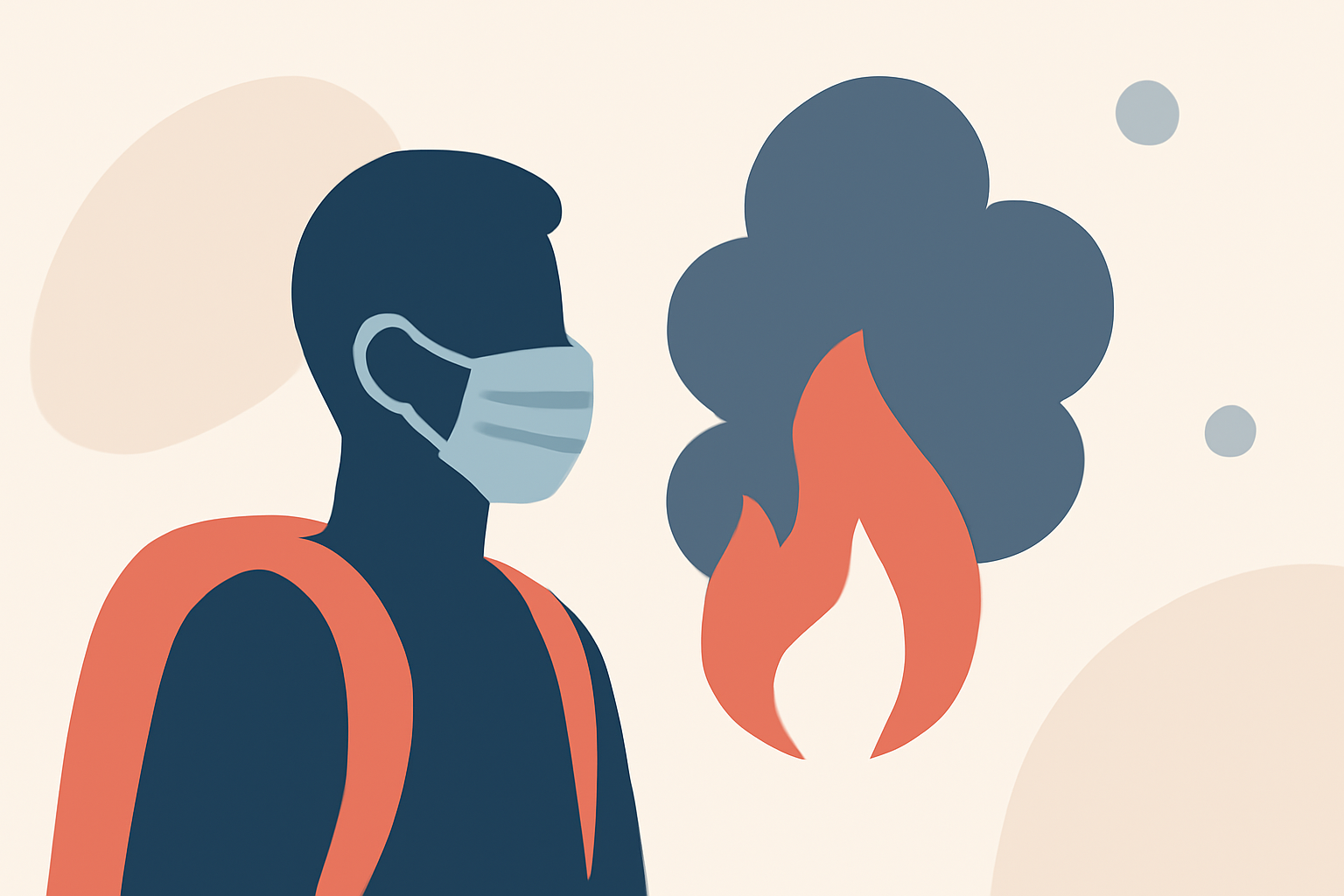
Traveling in areas prone to wildfires requires proactive measures to safeguard your health from smoke exposure. Wildfire smoke contains harmful pollutants that can irritate the eyes, nose, throat, and lungs, leading to coughing, wheezing, and difficulty breathing. Individuals with pre-existing health conditions, children, and pregnant women are particularly vulnerable. (cdc.gov)
1. Monitor Air Quality
Before and during your trip, regularly check the Air Quality Index (AQI) for your destination. The AQI provides real-time information on air pollution levels, helping you make informed decisions about outdoor activities. You can access AQI data at AirNow.gov or through your smartphone's weather app. (cdc.gov)
2. Stay Indoors During High Pollution Periods
If the AQI indicates unhealthy air quality, limit outdoor activities, especially strenuous ones. Staying indoors helps reduce exposure to harmful smoke particles. Follow local authorities' guidance and stay updated on air quality reports. (cdc.gov)
3. Create a Clean Indoor Environment
Enhance indoor air quality by:
-
Using Air Purifiers: Employ air purifiers equipped with HEPA filters to reduce indoor smoke particles.
-
Sealing Windows and Doors: Keep windows and doors closed to prevent smoke from entering.
-
Avoiding Indoor Pollutants: Refrain from activities that can worsen indoor air quality, such as smoking, using gas stoves, or burning candles. (cdc.gov)
4. Wear Protective Gear When Necessary
If you must go outside during periods of poor air quality, consider wearing a well-fitting N95 or KN95 mask. These masks can filter out harmful particles from the air, providing a level of protection. Ensure the mask fits snugly over your nose and under your chin without gaps. (axios.com)
5. Protect Vulnerable Populations
Children, pregnant women, and individuals with chronic health conditions should take extra precautions. Limit their exposure to smoke and consult healthcare providers for personalized advice. (cdc.gov)
6. Stay Informed and Prepared
Keep abreast of local wildfire activity and air quality updates. Develop an emergency plan that includes evacuation routes and communication strategies. Being prepared can help you respond effectively to changing conditions. (cdc.gov)
By following these guidelines, travelers can significantly reduce the health risks associated with wildfire smoke exposure. Staying informed and taking proactive measures are key to ensuring a safe and healthy travel experience.
Highlights:
- Wildfire Smoke Can Be Terrible For Your Health. Here's How to Stay Safe, Published on Tuesday, October 10
- How to protect yourself from wildfire smoke, Published on Wednesday, June 07
- What to know about wildfire smoke, as fires become more frequent and extreme, Published on Thursday, January 16