
Wildfire Smoke Safety During Winter Storms: Essential Guidelines
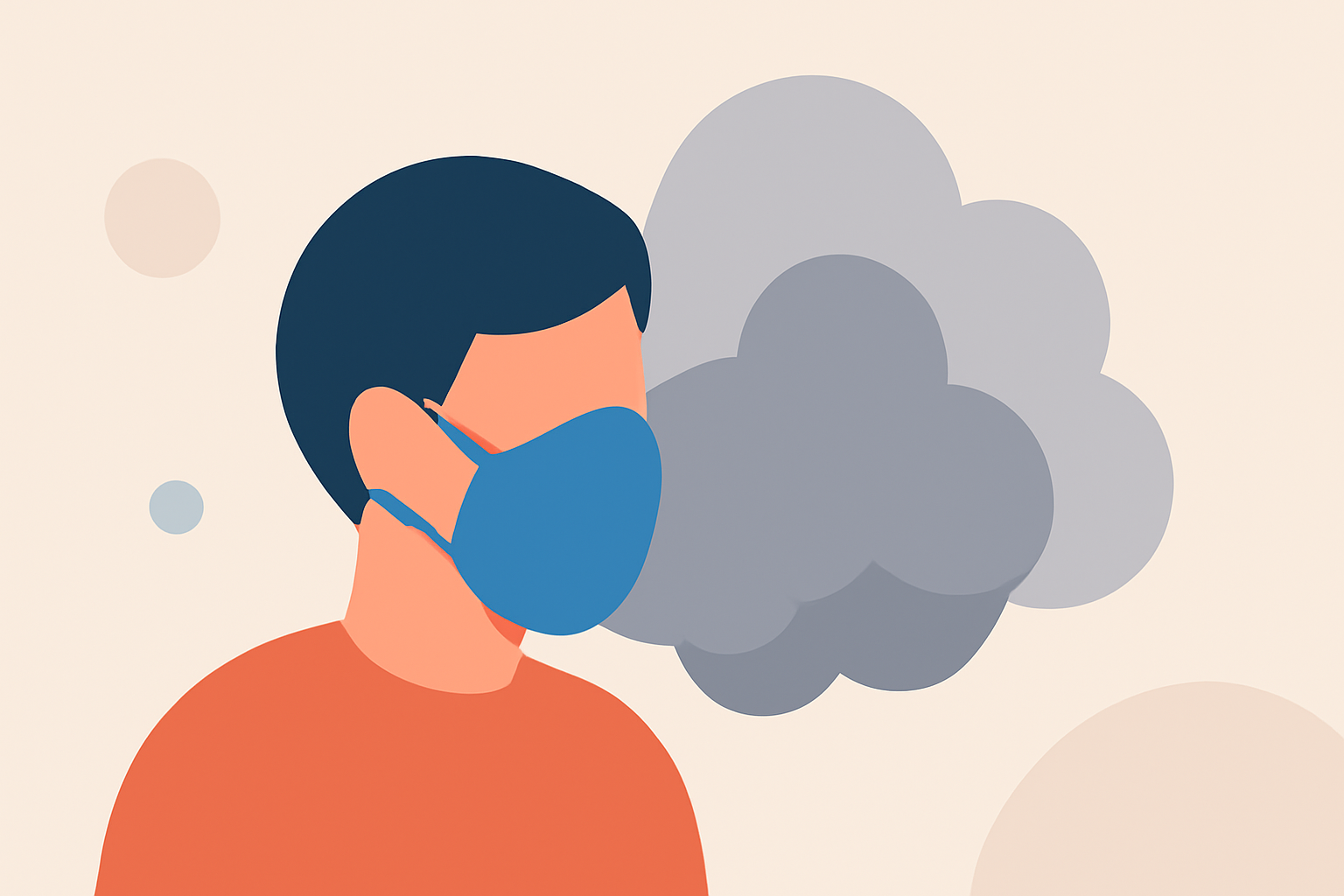
Wildfires are typically associated with hot, dry conditions, but they can occur during winter storms, bringing smoke and health risks. Understanding how to protect yourself in these situations is crucial.
What Are the Risks of Wildfire Smoke During Winter Storms?
Wildfire smoke contains harmful pollutants that can affect respiratory health, even in cold weather. During winter storms, these pollutants can linger in the air, increasing exposure risks.
How Can I Protect Myself from Wildfire Smoke in Winter?
- Stay Informed: Monitor local air quality reports and weather updates.
- Limit Outdoor Activities: Reduce time spent outdoors when smoke levels are high.
- Create a Clean Indoor Environment: Keep windows and doors closed; use air purifiers if available.
- Use N95 Masks: If you must go outside, wear an N95 mask to filter out smoke particles.
What Are the Symptoms of Smoke Exposure?
Exposure to wildfire smoke can cause symptoms such as coughing, throat irritation, shortness of breath, and eye discomfort. Individuals with respiratory conditions may experience exacerbated symptoms.
When Should I Seek Medical Attention?
If you experience severe symptoms like chest pain, dizziness, or confusion, seek medical attention immediately.
How Can Clime Help Me Stay Safe?
Clime offers real-time air quality monitoring and weather updates, helping you stay informed about smoke levels during winter storms. By providing timely alerts, Clime enables you to take necessary precautions to protect your health.
By staying informed and taking appropriate precautions, you can minimize the health risks associated with wildfire smoke during winter storms.