
Essential Guide to Winter Camping During Storms
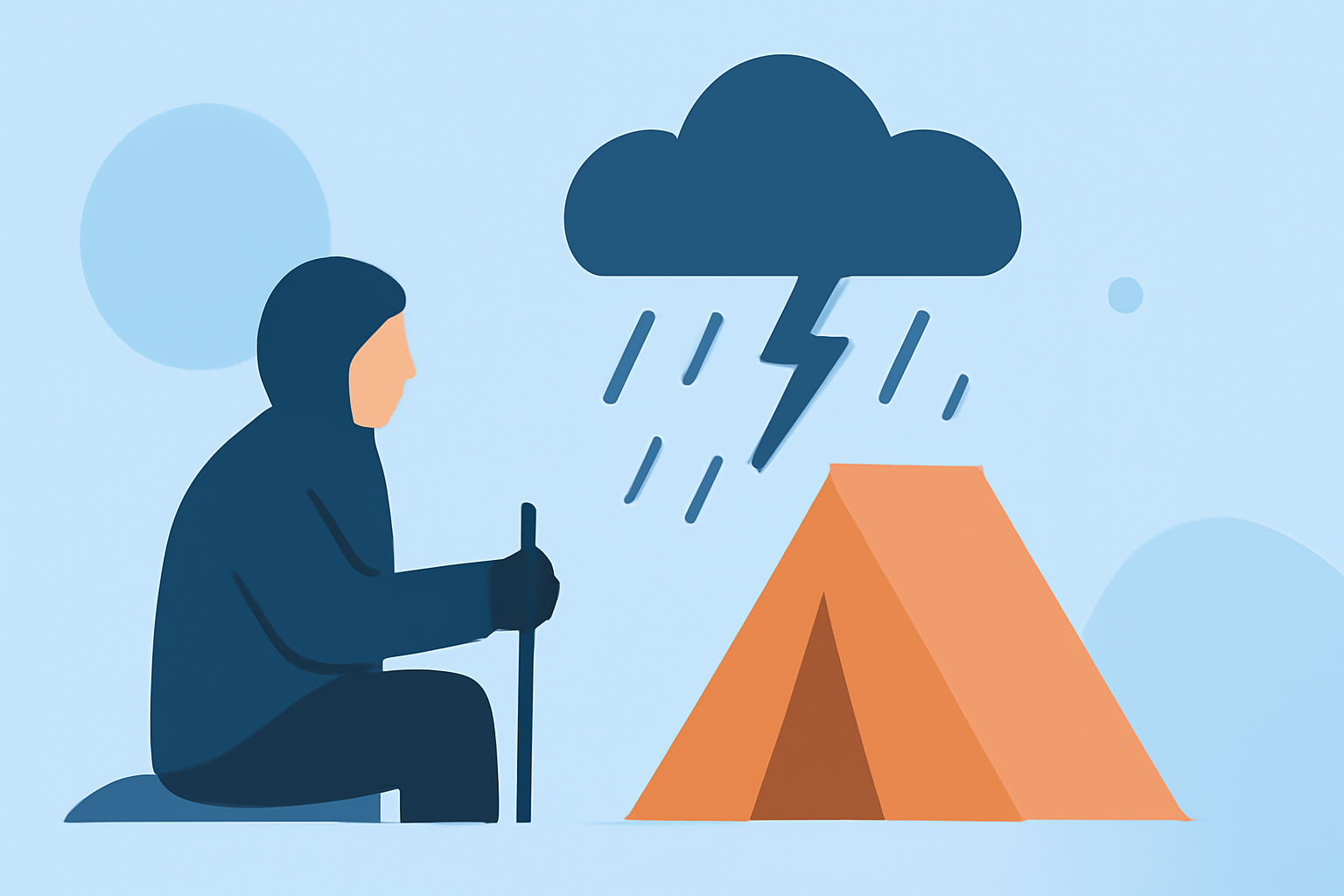
Embarking on a winter camping trip during a storm presents unique challenges but can be a rewarding experience with proper preparation. Here's how to ensure a safe and enjoyable adventure.
1. How Should I Prepare for Winter Camping During a Storm?
-
Stay Informed: Regularly check weather forecasts and storm warnings from reliable sources.
-
Plan Your Route: Choose trails and campsites that are less exposed to high winds and avalanches.
-
Inform Others: Share your itinerary and expected return time with friends or family.
2. What Gear Is Essential for Winter Camping in Stormy Conditions?
-
Tent: Opt for a four-season tent designed to withstand heavy snow and strong winds.
-
Sleeping Bag: Select a sleeping bag rated for temperatures lower than the expected lows.
-
Clothing: Dress in layers using moisture-wicking base layers, insulating mid-layers, and waterproof outer layers.
-
Cooking Equipment: Use a stove suitable for cold temperatures and bring extra fuel.
3. How Can I Ensure Safety During a Winter Storm While Camping?
-
Shelter: Set up camp in a sheltered area, avoiding locations prone to avalanches or falling trees.
-
Stay Dry: Keep clothing and gear dry to prevent hypothermia.
-
Monitor Conditions: Continuously assess weather conditions and be prepared to seek shelter if necessary.
4. What Are the Risks of Winter Camping During a Storm?
-
Hypothermia: Prolonged exposure to cold can lead to hypothermia.
-
Avalanches: Storms can increase avalanche risk in mountainous areas.
-
Injuries: Slippery conditions can lead to falls and other injuries.
5. How Can I Minimize Environmental Impact While Winter Camping?
-
Leave No Trace: Follow Leave No Trace principles to minimize your impact on the environment.
-
Waste Disposal: Pack out all trash and waste, including human waste if necessary.
By adhering to these guidelines, you can safely enjoy the unique experience of winter camping during a storm.