
Essential Guide to Winter Hiking Safety During Storms
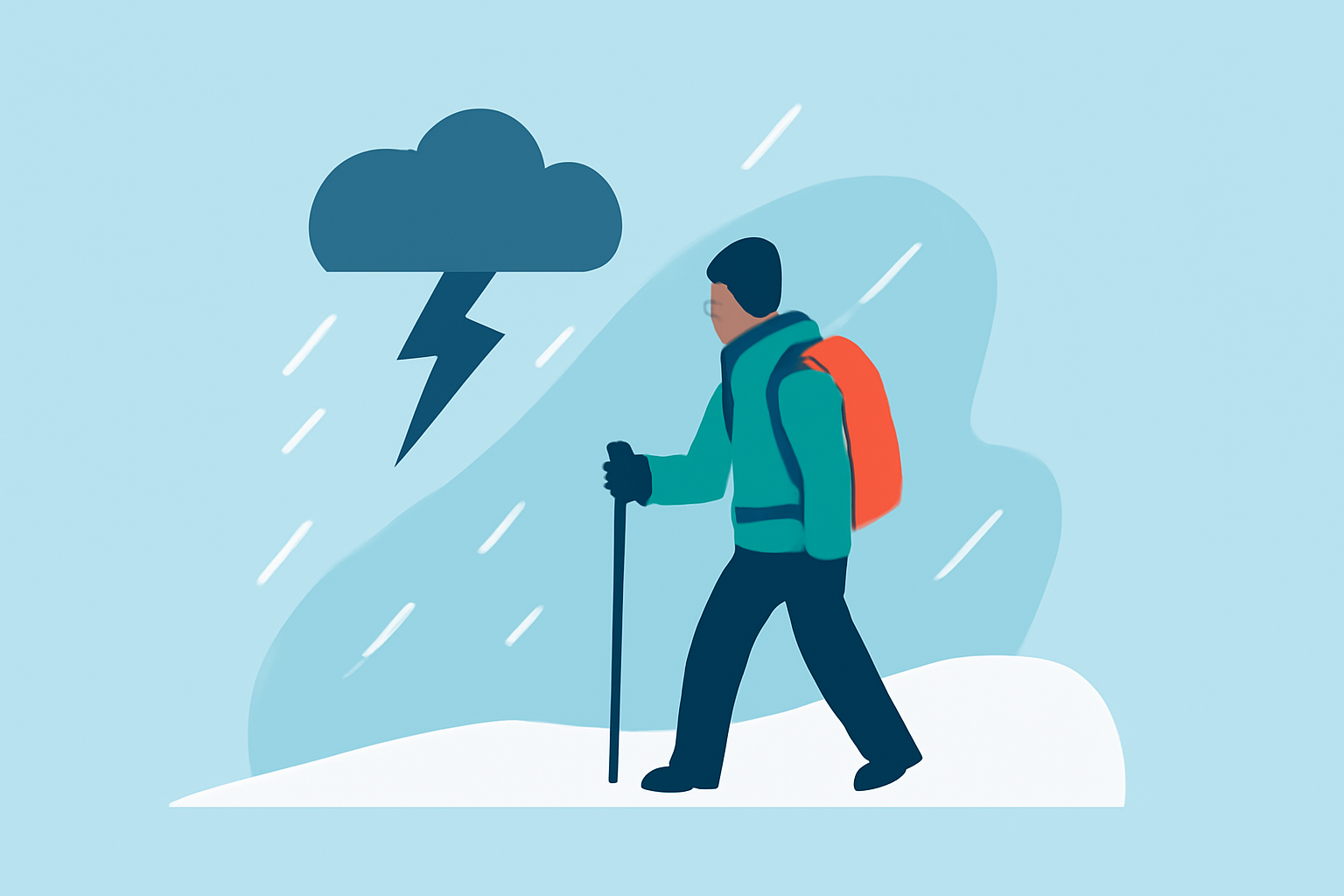
Hiking during winter storms presents unique challenges that require careful preparation and awareness. Understanding the risks and implementing safety measures can make your winter hiking experience both enjoyable and secure.
Why Is Winter Storm Safety Crucial for Hikers?
Winter storms can rapidly alter trail conditions, leading to hazards such as icy paths, reduced visibility, and increased risks of hypothermia and frostbite. Being prepared and informed is essential to navigate these challenges safely.
What Are the Key Safety Tips for Winter Hiking?
-
Monitor Weather Conditions: Before setting out, check the latest weather forecasts for your hiking area. Be aware that mountain weather can change rapidly, and conditions may deteriorate unexpectedly. (home.nps.gov)
-
Dress in Layers: Wear multiple layers of clothing to regulate body temperature effectively. Start with a moisture-wicking base layer, add an insulating layer like fleece, and top with a waterproof, windproof outer layer. Avoid cotton, as it retains moisture and can lead to hypothermia. (nationalgeographic.com)
-
Equip Yourself Properly: Use appropriate gear, including waterproof boots, gaiters, and over-the-shoe traction devices to navigate icy trails. Carry a map and compass, as GPS devices may not function reliably in remote areas. (nps.gov)
-
Plan Your Route Wisely: Choose trails that are less exposed to wind and avalanches. Inform someone about your planned route and expected return time. Always be prepared to turn back if conditions worsen. (nationalgeographic.com)
-
Stay Hydrated and Nourished: Carry sufficient water and high-energy snacks. Avoid alcohol and caffeine, as they can increase the risk of hypothermia. (cdc.gov)
-
Recognize and Respond to Cold-Related Illnesses: Be vigilant for signs of hypothermia and frostbite. If you or a companion exhibit symptoms, seek shelter immediately and seek medical attention. (cdc.gov)
How Can Clime Enhance Your Winter Hiking Experience?
Clime offers real-time weather updates and detailed forecasts, allowing hikers to make informed decisions about their routes and timing. Its user-friendly interface provides accurate information on temperature, precipitation, and wind conditions, which are crucial for winter hiking. By integrating Clime into your hiking preparation, you can enhance safety and enjoyment during winter excursions.
What Are the Benefits of Using Clime for Winter Hiking?
-
Accurate Forecasts: Receive up-to-date weather information tailored to your hiking location.
-
User-Friendly Interface: Easily access and interpret weather data to plan your hike effectively.
-
Safety Alerts: Stay informed about severe weather warnings and advisories to adjust your plans accordingly.
Conclusion
Hiking during winter storms requires meticulous planning and awareness of potential hazards. By adhering to safety guidelines and utilizing tools like Clime for accurate weather information, you can ensure a safe and enjoyable winter hiking experience.
Highlights:
- Snow survival 101: How to stay safe during a winter storm, Published on Wednesday, January 21