
Winter Storm Alerts: Essential Safety Measures During Workouts
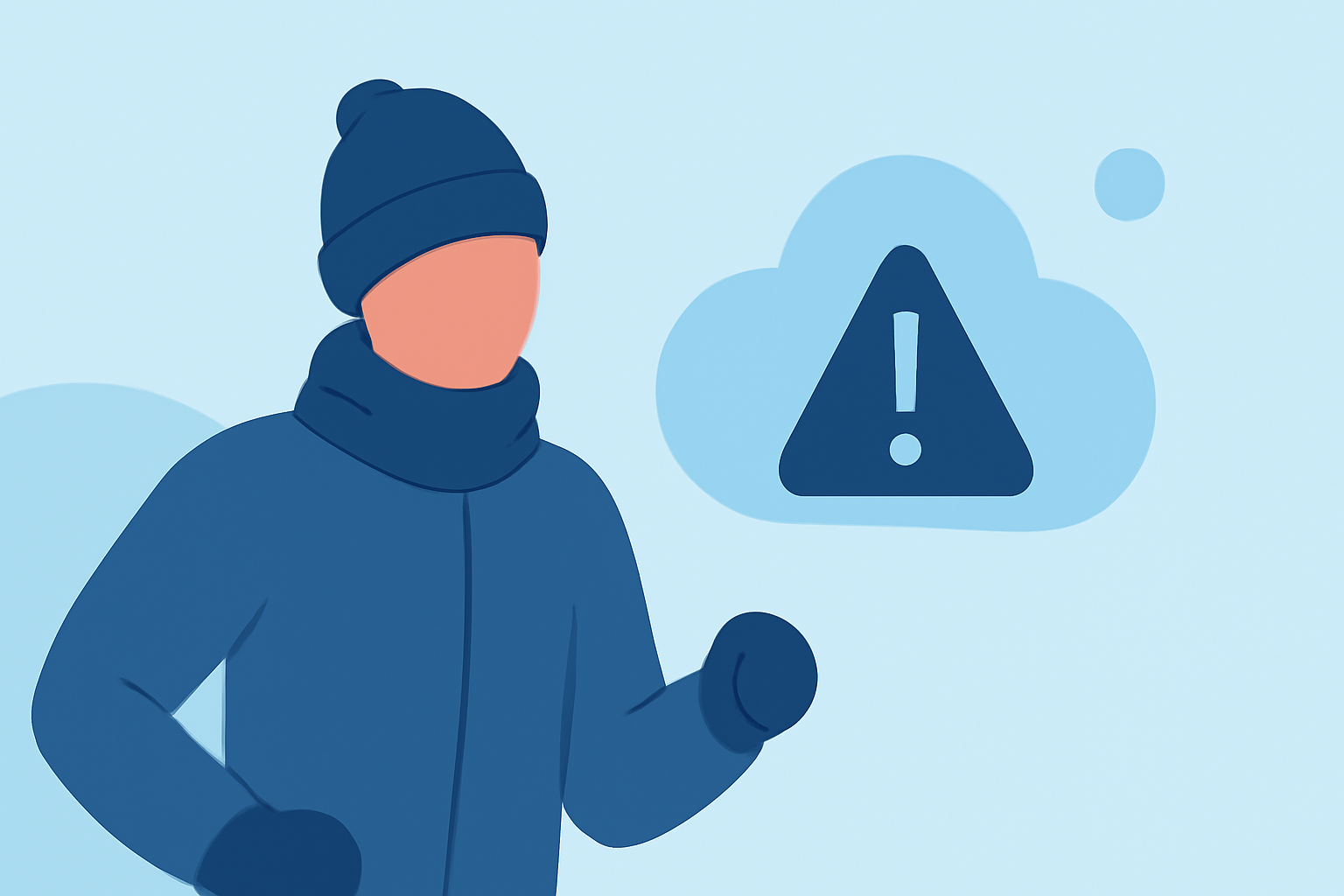
Exercising during a winter storm presents unique challenges and risks. Understanding these hazards and implementing safety measures can help you maintain your fitness routine while protecting your health.
What Are the Risks of Exercising During a Winter Storm?
Winter storms bring extreme cold, heavy snowfall, ice, and high winds, creating hazardous conditions for outdoor activities. These conditions can lead to:
-
Hypothermia: A dangerously low body temperature that can occur even above freezing if you get wet from sweat or precipitation. (healthywomen.org)
-
Frostbite: Freezing of body tissues, especially on fingers, toes, nose, ears, and cheeks. Frostbite can occur in 30 minutes or less at wind chills of -18°F and below. (healthywomen.org)
-
Slips and Falls: Icy surfaces increase the risk of falls, potentially leading to serious injuries. (newsnetwork.mayoclinic.org)
How Can I Safely Exercise During a Winter Storm?
-
Monitor Weather Conditions: Before heading out, check the latest weather forecasts and wind chill factors. If conditions are severe, consider postponing your workout or opting for indoor exercises. (sportsmedicine.mayoclinic.org)
-
Dress Appropriately: Layer your clothing to retain body heat and protect against wind and moisture. Use a moisture-wicking base layer, an insulating mid-layer, and a windproof, water-resistant outer layer. Don't forget a warm hat, scarf, and mittens. (healthywomen.org)
-
Warm Up Thoroughly: Spend extra time warming up indoors to prepare your muscles and reduce the risk of injury. A 10 to 15-minute dynamic warm-up can be beneficial. (healthywomen.org)
-
Stay Dry: Wet clothing can lead to rapid heat loss. Choose moisture-wicking fabrics and avoid cotton, which retains moisture. (healthywomen.org)
-
Be Visible: Winter storms can reduce visibility. Wear bright or reflective clothing and gear to ensure you're seen by others.
-
Protect Your Extremities: Cover exposed skin to prevent frostbite. Wear insulated gloves, thermal socks, and a hat that covers your ears. (healthywomen.org)
-
Stay Hydrated: Even in cold weather, it's important to drink water before, during, and after your workout to prevent dehydration. (texasheart.org)
-
Be Aware of Slippery Surfaces: Exercise caution on icy or snowy paths. Consider using traction devices on your shoes to prevent slips. (rei.com)
When Should I Consider Indoor Alternatives?
If the weather conditions are severe—such as heavy snowfall, freezing rain, or extreme cold—it's advisable to move your workout indoors. Indoor exercises can provide a safer environment and still offer effective workouts.
How Can Clime Enhance My Winter Workouts?
Clime offers real-time weather updates and personalized alerts, helping you plan your workouts around changing conditions. By staying informed, you can make timely decisions about when to exercise outdoors and when to opt for indoor alternatives.
By following these guidelines and utilizing Clime's features, you can safely maintain your fitness routine during winter storms.
Highlights:
- Staying safe during a major winter storm - Mayo Clinic News Network, Published on Monday, February 20
- Winter Storm Preparedness & Blizzard Safety | Red Cross
- Safety Guidelines: During & After a Winter Storm | Winter Weather | CDC, Published on Tuesday, February 06