
Winter Travel: Navigating Snow and De-Icing Procedures for Connecting Flights
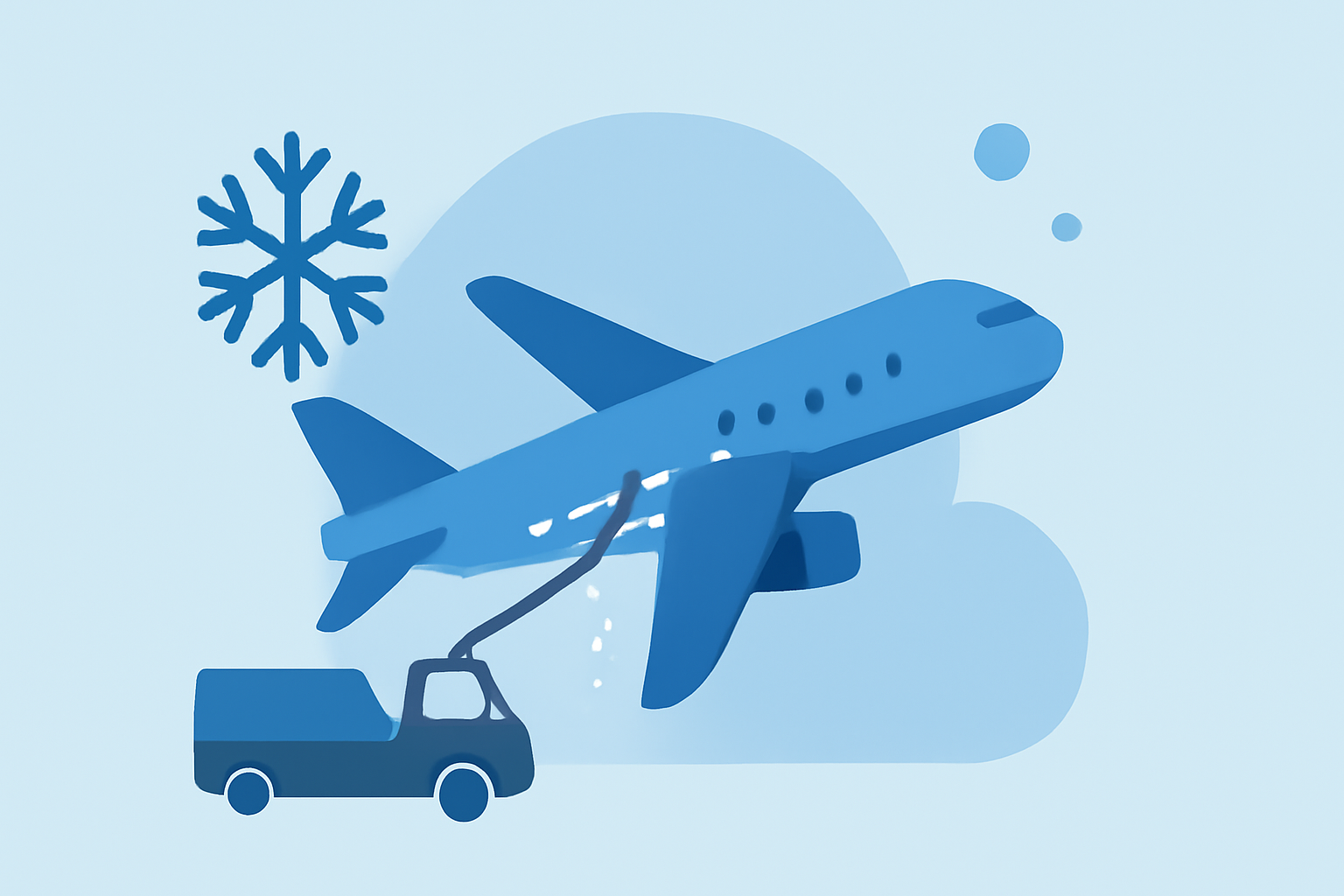
Winter travel can present unique challenges, especially when connecting flights are involved. Snow and ice accumulation on aircraft can significantly affect flight safety and schedules. Understanding the de-icing process and how it impacts your journey is crucial for a smooth travel experience.
What Is Aircraft De-Icing and Why Is It Necessary?
De-icing is the process of removing ice, snow, or frost from an aircraft's surfaces, particularly the wings and tail, to ensure safe flight operations. Even a thin layer of ice can disrupt airflow, reducing lift and increasing drag, which can compromise flight safety. Therefore, de-icing is essential to maintain the aircraft's performance during winter conditions. (simpleflying.com)
How Does the De-Icing Process Work?
The de-icing procedure typically involves two main steps:
-
De-Icing (Type I Fluid): A heated, glycol-based fluid is sprayed over the aircraft to melt and remove existing ice, snow, or frost. This step cleans the surfaces, preparing them for the next phase. (simpleflying.com)
-
Anti-Icing (Type II, III, or IV Fluids): After de-icing, a thicker, undiluted fluid is applied to form a protective layer that prevents new ice from forming during taxiing and takeoff. This layer has a specific holdover time, indicating how long it remains effective under certain weather conditions. (simpleflying.com)
How Does De-Icing Affect Connecting Flights?
For passengers with connecting flights, de-icing can introduce additional considerations:
-
Timing: De-icing adds time to the pre-flight process. If your connecting flight has a tight schedule, this extra time may impact your ability to make the connection.
-
Holdover Time: The anti-icing fluid's effectiveness is time-limited. If there's a significant delay between de-icing and takeoff, the aircraft may need to be re-de-iced, potentially causing further delays.
-
Communication: Airlines and ground crews coordinate to ensure that de-icing is completed promptly to minimize delays. However, unforeseen weather conditions can still lead to extended wait times.
Tips for Passengers on Connecting Flights During Winter Weather
To navigate winter travel more effectively, consider the following tips:
-
Stay Informed: Regularly check your flight status and any updates from your airline regarding delays or cancellations.
-
Allow Extra Time: When booking connecting flights during winter months, opt for longer layovers to accommodate potential delays caused by de-icing and other weather-related factors.
-
Prepare for Delays: Bring essentials like snacks, water, and entertainment to stay comfortable during unexpected wait times.
-
Understand De-Icing Procedures: Familiarize yourself with the de-icing process to appreciate the safety measures in place and the reasons behind any delays.
How Can Planes Live Enhance Your Winter Travel Experience?
Planes Live offers real-time flight tracking and updates, providing passengers with timely information about their flights, including de-icing status and potential delays. This service helps you stay informed and make necessary adjustments to your travel plans, ensuring a smoother journey during winter months.
Conclusion
Understanding the de-icing process and its impact on connecting flights is essential for winter travel. By staying informed and planning accordingly, you can navigate winter weather challenges more effectively and ensure a safer, more comfortable journey.