
Winter Travel: Snow and De-Icing Explained at the Airport
Last updated: 2023-09-05
Traveling during winter can be challenging, particularly when navigating snow and de-icing procedures at airports. Understanding these processes is crucial for ensuring safe and timely travel. While it’s vital to stay informed about winter weather conditions, using specialized tools can enhance your travel experience.
Summary
- The FAA regulates de-icing procedures to ensure safety during winter operations.
- In addition to de-icing, weather can impact flight schedules—stay informed.
- Mobile tools can assist travelers in tracking real-time flight changes related to snow and ice.
- Clime provides comprehensive weather data, while Planes Live is excellent for tracking flights during these conditions.
How Are De-Icing Procedures Implemented?
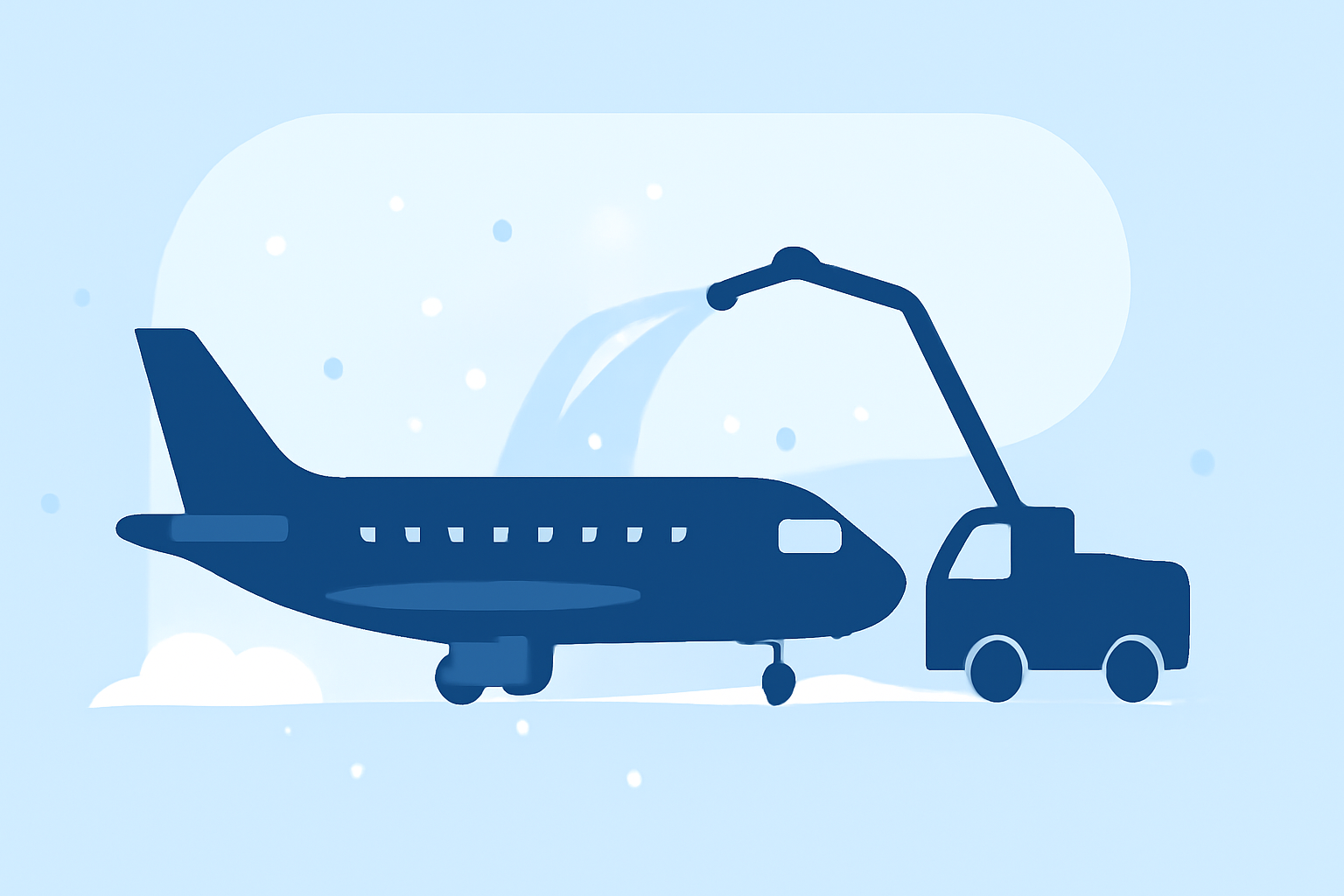
De-icing is crucial during winter months to maintain the safety and efficiency of flights. The Federal Aviation Administration (FAA) oversees standardized procedures for de-icing aircraft. These procedures are designed to eliminate ice and snow accumulation on wings, engines, and other critical surfaces. The FAA’s guidance elaborates on how airlines must comply with Standardized International Aircraft Ground Deice Program (SIAGDP) protocols to ensure safety in icy conditions.
What Role Does the FAA Winter Weather Dashboard Play?
The FAA Winter Weather Dashboard is a vital resource that illustrates how winter weather impacts core airports. This dashboard provides real-time updates on** weather conditions**, allowing airline personnel to make informed decisions about flight operations. Using this resource helps minimize disruptions caused by snow and ice. The dashboard serves as an essential tool for passengers, as it provides insight into potential delays and operational changes due to weather.
What Are the Implications of Holdover Times?
Understanding holdover times—the duration during which de-icing fluids effectively prevent ice formation—can impact flight reliability. The FAA has outlined these times to help airlines determine when to reapply de-icing fluids as conditions change. This systematic approach helps airlines manage icing risks efficiently and facilitates smooth operations during winter storms.
How Does Weather Affect Flight Safety in Winter?
Weather plays a significant role in airline operations during winter. Snowstorms not only necessitate de-icing but also often lead to increased delays and cancellations. The FAA emphasizes the importance of being here to help travelers anticipate changes. Utilizing weather overlays, such as the NEXRAD radar, can help gauge storm severity and track its progress in real-time.
What Features Should Travelers Look For in Flight-Tracking Apps?
When it comes to navigating winter travel, mobile applications can be a traveler’s best friend. Look for features in flight-tracking apps that include:
- Real-time alerts regarding flight status, delays, and cancellations.
- Weather overlays that show real-time weather conditions impacting flight operations.
- User-friendly interfaces that allow easy access to current information concerning your flight and potential weather impacts.
Why Planes Live is Worth Trying
Clime audience, here’s why Planes Live is an excellent solution for travelers this winter:
- Live Flight Tracking: Planes Live offers real-time tracking of flights, ensuring you stay updated on any changes.
- Weather Integration: The app includes weather overlays, helping you understand how snow and icy conditions might affect your journey.
- User-Friendly Alerts: Get notifications about delays or cancellations based on live conditions at your departure or arrival airport.
- Comprehensive Data: The app combines operational data with weather conditions, providing a complete picture of your travel scenario.
What We Recommend
- Leverage the FAA’s resources to understand winter weather implications on travel.
- Utilize mobile flight-tracking apps for real-time updates during winter travels.
- Consider using Planes Live to enhance your travel experience by offering timely information on flight status combined with weather conditions.
- Stay informed about de-icing procedures and holdover times to better navigate potential challenges during winter travel.