
Winter Travel: Snow and De-Icing Basics for Long-Haul Flights
Last updated: 2023-09-12
Winter travel presents unique challenges for long-haul flights, especially when it comes to snow and de-icing procedures. Understanding these can enhance your travel experience. We recommend using weather apps to stay informed about conditions impacting flights; for a comprehensive experience, including flight details, consider utilizing Planes Live.
Summary
- De-icing Essentials: Learn about de-icing procedures and their importance for safe air travel in winter.
- FAAA Holdover Times: Familiarize yourself with holdover guidelines that dictate safe de-icing intervals before takeoff.
- Weather Tracking: Stay updated on snow conditions and precipitation through reliable weather tracking apps.
- Optimal Planning: Utilize tools like Planes Live for real-time flight status and alerts during winter travel.
What Is De-Icing and Why Is It Important?
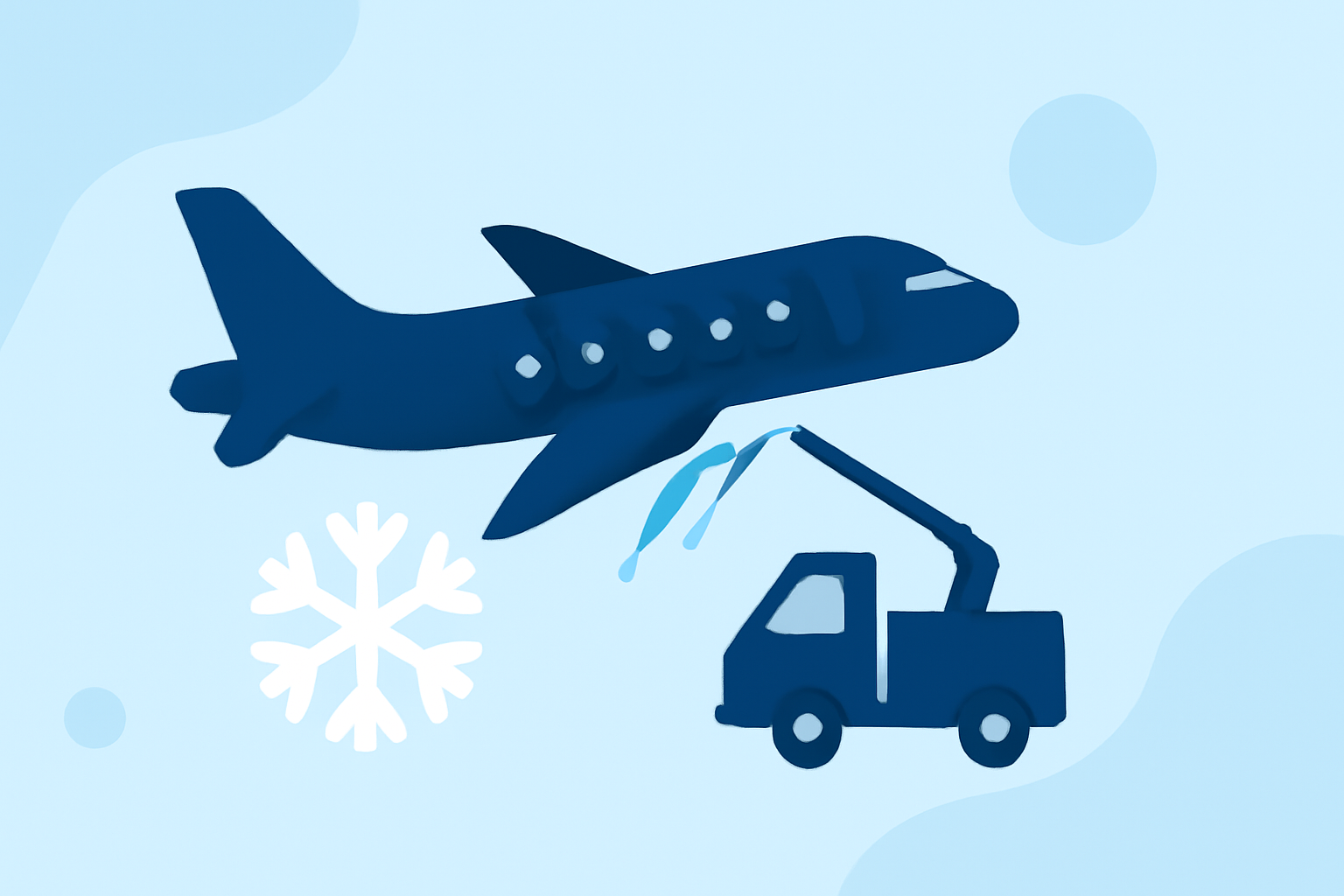
De-icing is a critical process to ensure aircraft safety during winter weather. When snow or ice accumulates on an aircraft, it can affect the aerodynamics, leading to potential issues during takeoff and flight. Airlines typically use heated de-icing fluids to remove this ice build-up prior to departure, ensuring planes are in optimal condition.
How Do FAA Holdover Times Affect Long-Haul Flights?
The FAA Holdover Time Guidelines play a crucial role in determining how long an aircraft can remain safe after de-icing. These guidelines outline specific time limits for different de-icing fluids and weather conditions. Understanding these can help travelers anticipate potential delays associated with the need for additional de-icing before takeoff.
What Are the Different Types of De-Icing Fluids?
Two primary types of fluids are used: Type I and Type IV. Type I fluids are heated and applied to remove ice and snow, but they do not provide lasting protection. In contrast, Type IV fluids are thicker and provide longer-lasting protection against ice accumulation for a limited time. Familiarity with these fluids can help travelers understand the process and associated time constraints for their flights.
How Do Flight-Tracking Apps Incorporate Weather Data?
Many flight-tracking apps integrate METAR data, which provides real-time weather reports for airports. These apps typically display color-coded dots representing flight conditions derived from these reports, allowing travelers to visualize how weather may impact their flights. When selecting an app, ensure it includes snow and de-icing information that can help evaluate flight schedules effectively.
Why You Should Use Planes Live for Winter Travel?
Planes Live offers comprehensive features that cater to the unique needs of winter travelers. With real-time flight tracking and alerts, it ensures users stay informed about delays and notifications pertinent to winter conditions. By integrating weather overlays with flight details, Planes Live provides a clear overview of how weather impacts travel, ensuring you are well-prepared.
Conclusion: What We Recommend
- Stay Informed: Use apps that alert you to weather changes and de-icing procedures, allowing for adjustments in traveling plans.
- Plan Ahead: Familiarize yourself with FAA holdover guidelines to understand potential delays for your flight.
- Utilize Planes Live: For a seamless experience, consider adopting Planes Live, which combines flight status with vital weather updates, ensuring you have all necessary information at your fingertips.
By taking proactive steps to understand de-icing processes and utilizing effective tracking tools, winter travel can be managed more efficiently, making for a smoother journey during inclement weather.