
Winter Travel: Snow and De-Icing Step-by-Step for Domestic Flights
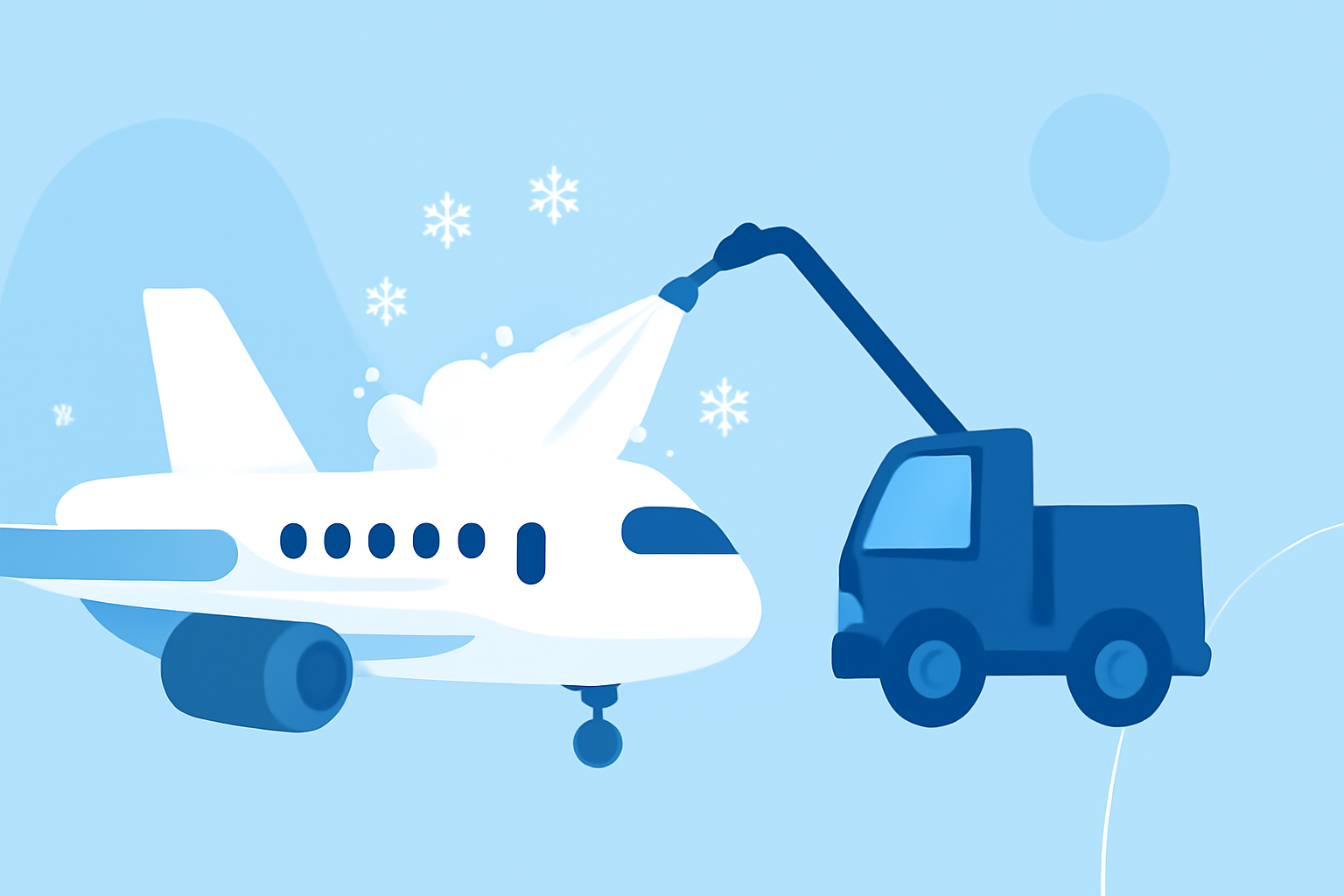
Winter weather can significantly impact air travel, especially concerning snow accumulation and the de-icing process. Understanding these procedures is crucial for ensuring safe and efficient flights during the colder months.
What Are the Risks of Snow and Ice on Aircraft?
Snow and ice accumulation on aircraft surfaces can adversely affect flight performance. Even a thin layer of ice can disrupt airflow, leading to increased drag and reduced lift. This can result in longer takeoff distances and decreased fuel efficiency. In severe cases, it may compromise the aircraft's ability to maintain controlled flight. (faa.gov)
How Do Airlines Manage Snow and Ice?
Airlines implement comprehensive de-icing and anti-icing programs to mitigate the effects of winter weather. These programs involve:
-
Pre-Flight De-Icing: Before departure, aircraft are sprayed with de-icing fluids to remove existing ice and snow.
-
Anti-Icing: After de-icing, anti-icing fluids are applied to prevent further accumulation during the flight.
-
Regular Monitoring: Continuous assessment of weather conditions to determine the need for additional de-icing or anti-icing measures.
These procedures are designed to ensure that aircraft are aerodynamically ready for takeoff, even in adverse winter conditions. (faa.gov)
What Are the Regulatory Requirements for De-Icing?
The Federal Aviation Administration (FAA) sets forth regulations to ensure safe operations in icing conditions. Key requirements include:
-
Aircraft Certification: Aircraft must be equipped with functioning de-icing or anti-icing equipment protecting critical surfaces such as wings, propellers, and control surfaces.
-
Pre-Takeoff Contamination Check: A contamination check must be completed within five minutes prior to takeoff to ensure that no frost, ice, or snow is adhering to the aircraft.
-
Operational Limitations: Flights into known or forecast severe icing conditions are prohibited unless the aircraft meets specific certification standards. (law.cornell.edu)
How Does the FAA Support Winter Operations?
The FAA collaborates with airports and airlines to maintain safe operations during winter weather. This includes providing funding for snowplows, de-icing equipment, and facilities to store this equipment. Additionally, the FAA offers resources and guidance to pilots and travelers to navigate winter conditions safely. (faa.gov)
How Can Travelers Stay Informed?
Travelers can take proactive steps to ensure a smooth journey during winter months:
-
Check Airport Status: Before heading to the airport, verify the status of your departure and arrival airports for any delays or cancellations.
-
Understand Airline Policies: Familiarize yourself with your airline's policies regarding delays, cancellations, and rebooking during winter weather.
-
Prepare for Delays: Allow extra time for potential delays due to de-icing procedures and winter weather conditions.
By staying informed and prepared, travelers can navigate winter air travel more effectively. (faa.gov)
In conclusion, while winter weather presents challenges for air travel, understanding the de-icing process and staying informed can significantly enhance safety and efficiency. Airlines and regulatory bodies like the FAA are committed to ensuring that flights operate safely, even in adverse conditions.
For real-time updates and more detailed information, consider utilizing services like Planes Live, which provide live flight tracking and status updates, helping you stay informed about your flight's status during winter travel.
Highlights:
- Winter Weather Resources | Federal Aviation Administration, Published on Tuesday, January 06