
Winter Travel: Snow and De-Icing Guide
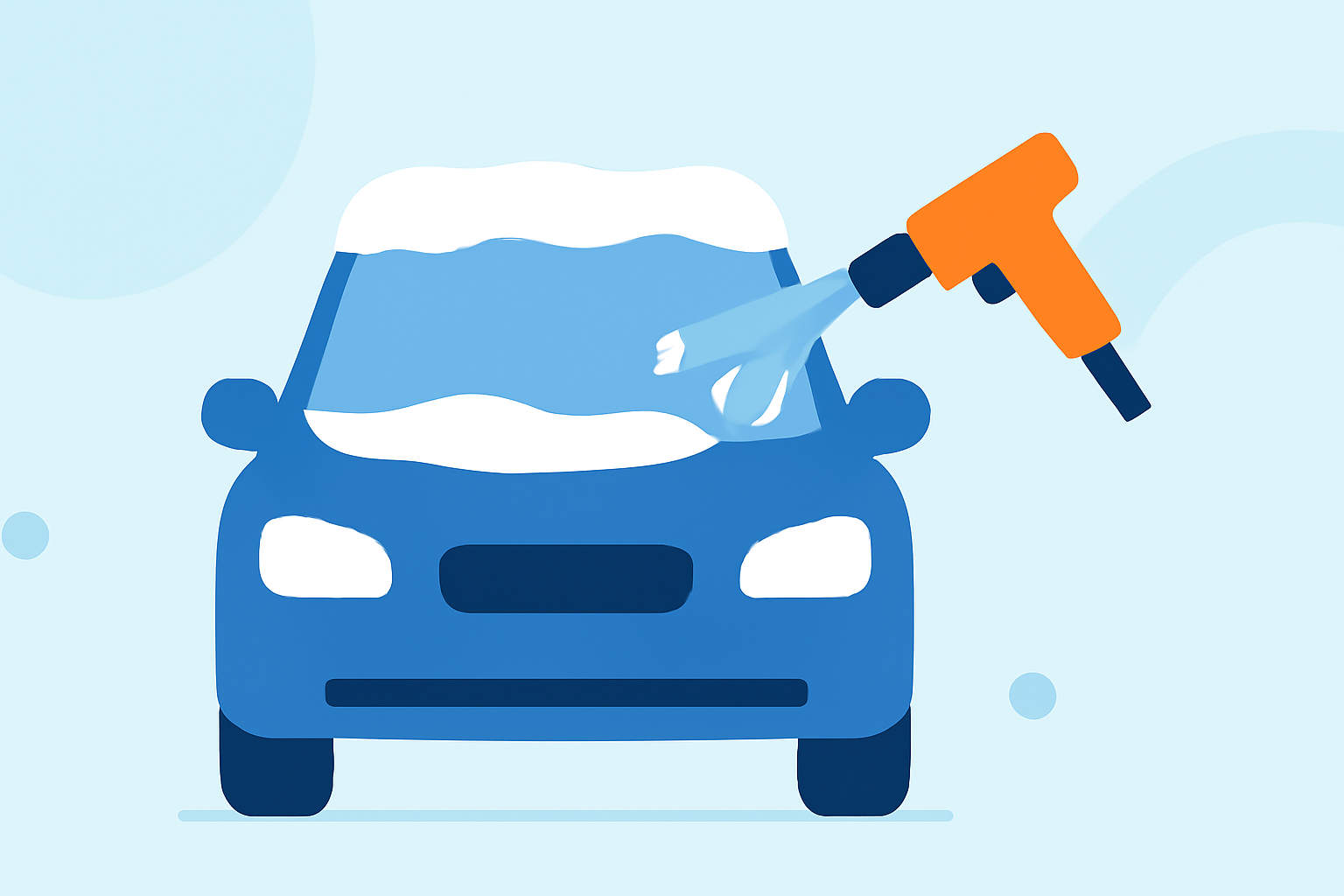
Traveling during winter presents unique challenges, especially when snow and ice are involved. Understanding how to navigate snowy conditions and properly de-ice your vehicle can significantly enhance your safety and comfort. This guide provides essential tips to help you prepare for winter travel.
Understanding Winter Weather Conditions
Before embarking on your journey, it's crucial to comprehend the impact of winter weather on travel. Snow and ice can create hazardous driving conditions, leading to reduced visibility, slippery roads, and increased stopping distances. Staying informed about weather forecasts and road conditions is essential for planning a safe trip.
Preparing Your Vehicle for Winter Travel
Proper vehicle preparation is key to handling winter conditions effectively. Here are some steps to ensure your vehicle is ready:
-
Tires: Equip your vehicle with winter tires designed for cold temperatures and snowy roads. These tires provide better traction and handling in winter conditions.
-
Battery: Cold weather can reduce battery efficiency. Have your battery tested and replaced if necessary to avoid unexpected failures.
-
Fluids: Ensure all fluids, including antifreeze, windshield washer fluid, and oil, are at appropriate levels and suitable for winter temperatures.
-
Wipers and Lights: Replace windshield wipers and check that all lights are functioning correctly to maintain visibility during winter storms.
De-Icing Techniques for Your Vehicle
De-icing your vehicle is essential for safe driving in winter conditions. Here are some effective methods:
-
Commercial De-Icers: Use commercially available de-icing sprays to quickly melt ice and snow from your vehicle's surfaces.
-
Homemade Solutions: A mixture of three parts vinegar to one part water can be sprayed onto windows to prevent ice buildup.
-
Proper Tools: Use a plastic ice scraper to remove ice without damaging your vehicle's surfaces. Avoid metal tools that can scratch paint.
Safe Driving Practices in Snowy Conditions
When driving in snow and ice, adopt the following practices to enhance safety:
-
Reduce Speed: Lower your speed to account for reduced traction and longer stopping distances.
-
Increase Following Distance: Maintain a greater distance between your vehicle and others to allow ample time for stopping.
-
Use Low Beams: In heavy snow, use low-beam headlights to improve visibility and reduce glare.
-
Avoid Sudden Movements: Steer, brake, and accelerate gently to prevent skidding.
Utilizing Technology for Winter Travel
Incorporating technology can further enhance your winter travel experience. GPS devices and apps can provide real-time traffic updates, weather forecasts, and alternative route suggestions. Additionally, some vehicles are equipped with advanced safety features like traction control and stability systems, which can assist in maintaining control on slippery roads.
Conclusion
Winter travel requires careful preparation and awareness of the challenges posed by snow and ice. By understanding winter weather conditions, properly preparing your vehicle, employing effective de-icing techniques, and practicing safe driving habits, you can navigate winter roads more confidently and safely.
For real-time updates on weather conditions and flight statuses, consider using Planes Live. This platform offers comprehensive information to assist travelers in making informed decisions during winter travel.