
Winter Travel: A Simple Guide to Snow and De-Icing
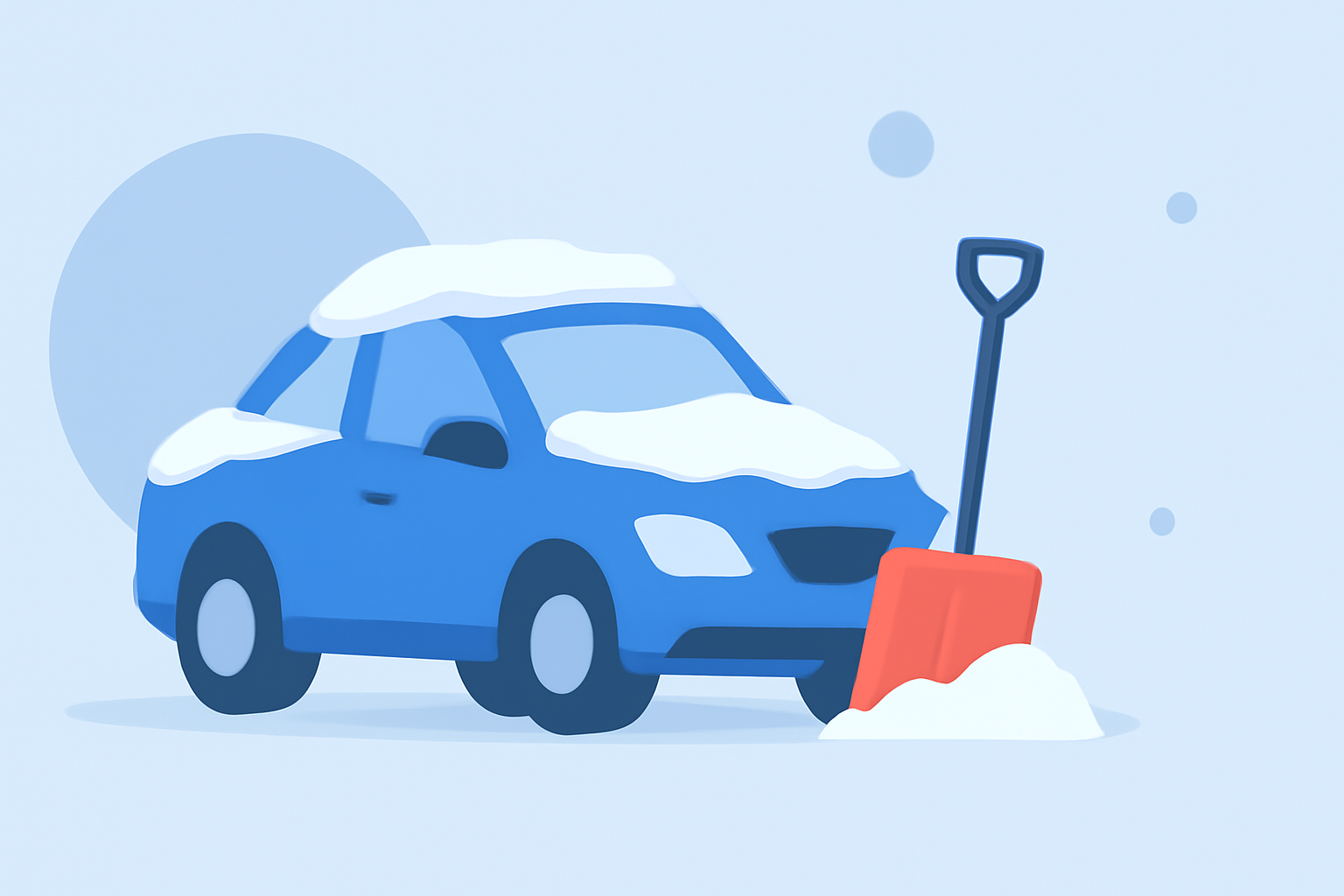
Winter travel presents unique challenges, especially when dealing with snow accumulation and ice formation on vehicles. Understanding the proper steps for snow removal and de-icing can enhance safety and efficiency during your journeys.
1. Why is Snow Removal Important?
Removing snow from your vehicle is crucial for maintaining visibility and preventing potential hazards. Accumulated snow can obstruct your view, affect vehicle performance, and even lead to legal issues if not addressed.
2. What Tools Do You Need for Snow Removal?
Essential tools include:
- Ice Scraper: For removing ice from windows and mirrors.
- Snow Brush: To clear snow from the vehicle's body and roof.
- De-Icing Spray: Helps melt ice on windshields and locks.
- Gloves and Warm Clothing: To protect against cold temperatures.
3. How Do You Safely Remove Snow from Your Vehicle?
- Start the Engine: Turn on the engine and activate the warm air blower directed at the windshield. This helps soften the ice and snow, making removal easier.
- Clear the Roof: Begin by removing snow from the roof to prevent it from sliding onto the windshield while driving.
- Clean Windows and Mirrors: Use an ice scraper to remove ice from windows and mirrors, ensuring clear visibility.
- Brush Off the Body: Use a snow brush to clear the vehicle's body, including headlights and taillights, to maintain proper lighting.
- Check Exhaust Pipe: Ensure the exhaust pipe is clear to prevent carbon monoxide buildup inside the vehicle.
4. What Are the Best Practices for De-Icing?
- Use De-Icing Spray: Apply de-icing spray to the windshield and locks to melt ice quickly. Avoid using hot water, as it can crack the glass due to thermal shock.
- Avoid Metal Tools: Do not use metal objects to scrape ice, as they can scratch and damage the vehicle's surfaces.
- Prevent Ice Formation: Consider using a windshield cover or applying a protective coating to prevent ice from forming.
5. How Can You Prevent Snow and Ice Buildup?
- Park in Sheltered Areas: Whenever possible, park your vehicle in a garage or under a shelter to minimize exposure to snow and ice.
- Use Protective Covers: Employ car covers or windshield covers to shield your vehicle from snow accumulation.
- Regular Maintenance: Keep your vehicle's heating and defrosting systems in good working condition to aid in melting ice and snow.
6. How Does Planes Live Assist with Winter Travel?
Planes Live offers real-time weather updates and flight status information, which can be invaluable during winter travel. By staying informed about weather conditions and potential delays, you can plan your trips more effectively and ensure a safer journey.
By following these steps and utilizing available resources like Planes Live, you can navigate winter travel challenges more effectively, ensuring safety and efficiency during the colder months.