
Winter Travel: Snow and De-Icing Mistakes to Avoid for Long-Haul Flights
Winter travel can present unique challenges, especially when it comes to snow and de-icing procedures for long-haul flights. Understanding these processes and common mistakes can help ensure a safer and more comfortable journey.
What Are the Challenges of Flying in Snowy Conditions?
Modern commercial aircraft are designed to operate in snowy conditions. The primary concern is not the ability to fly through snow but ensuring the aircraft is free from ice and snow before takeoff. Even a thin layer of frost on the wings can disrupt airflow, reducing lift and potentially compromising flight safety. (aeruxo.com)
How Does the De-Icing Process Work?
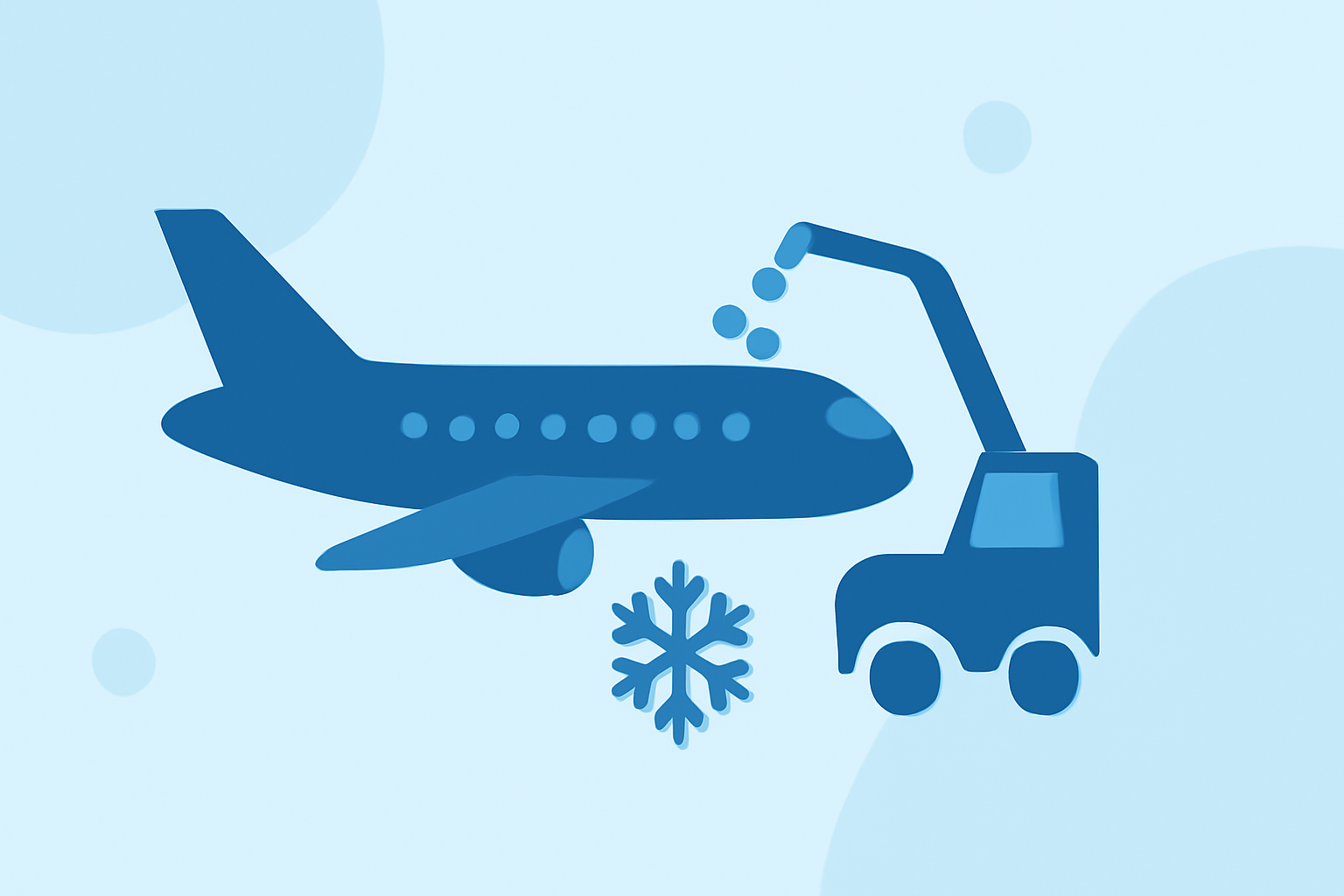
De-icing involves removing ice and snow from the aircraft's critical surfaces, such as wings and tail, to maintain optimal aerodynamic performance. This is typically achieved by spraying a heated mixture of glycol and water, known as Type I de-icing fluid, which melts existing ice and snow. (thepointsguy.com)
What Is Anti-Icing and Why Is It Necessary?
After de-icing, anti-icing fluids are applied to prevent further accumulation of ice and snow during taxiing and takeoff. These fluids, often green in color, are thicker than de-icing fluids and provide a protective layer against new ice formation. It's important to note that anti-icing fluids are effective only for a limited time, known as the holdover time, which varies based on weather conditions. (thetraveler.org)
What Are Common Mistakes Passengers Should Avoid?
-
Underestimating the Importance of De-Icing: Some passengers may not realize that even a small amount of ice on the aircraft can significantly impact flight safety. Always ensure that the aircraft undergoes proper de-icing procedures before departure.
-
Ignoring Holdover Times: Anti-icing fluids have a limited effectiveness period. If a flight is delayed beyond the holdover time, the de-icing and anti-icing process may need to be repeated to ensure safety.
-
Assuming All Delays Are Due to De-Icing: While de-icing is a common cause of delays in winter, other factors like runway conditions, visibility, and crew scheduling can also contribute.
How Can Passengers Stay Informed and Prepared?
-
Stay Updated: Monitor weather forecasts and flight status updates to anticipate potential delays.
-
Plan Ahead: Allow extra time for potential delays during winter months, especially when traveling to or from regions prone to snow and ice.
-
Communicate with Airlines: If you have concerns about de-icing procedures or flight safety, don't hesitate to ask airline staff for information.
How Does Planes Live Enhance Your Travel Experience?
Planes Live offers real-time flight tracking, providing up-to-date information on flight statuses, including delays due to weather conditions. This service can help you stay informed and make necessary adjustments to your travel plans.
Conclusion
Understanding the complexities of winter travel, especially regarding snow and de-icing procedures, is crucial for ensuring a safe and comfortable long-haul flight. By staying informed and prepared, you can navigate these challenges more effectively.
Highlights:
- Winter storm will wreak havoc on flights. Here’s why. - The Washington Post, Published on Wednesday, December 21