
Winter Weather Outlook Mistakes to Avoid on a Tablet
Last updated: 2023-09-06
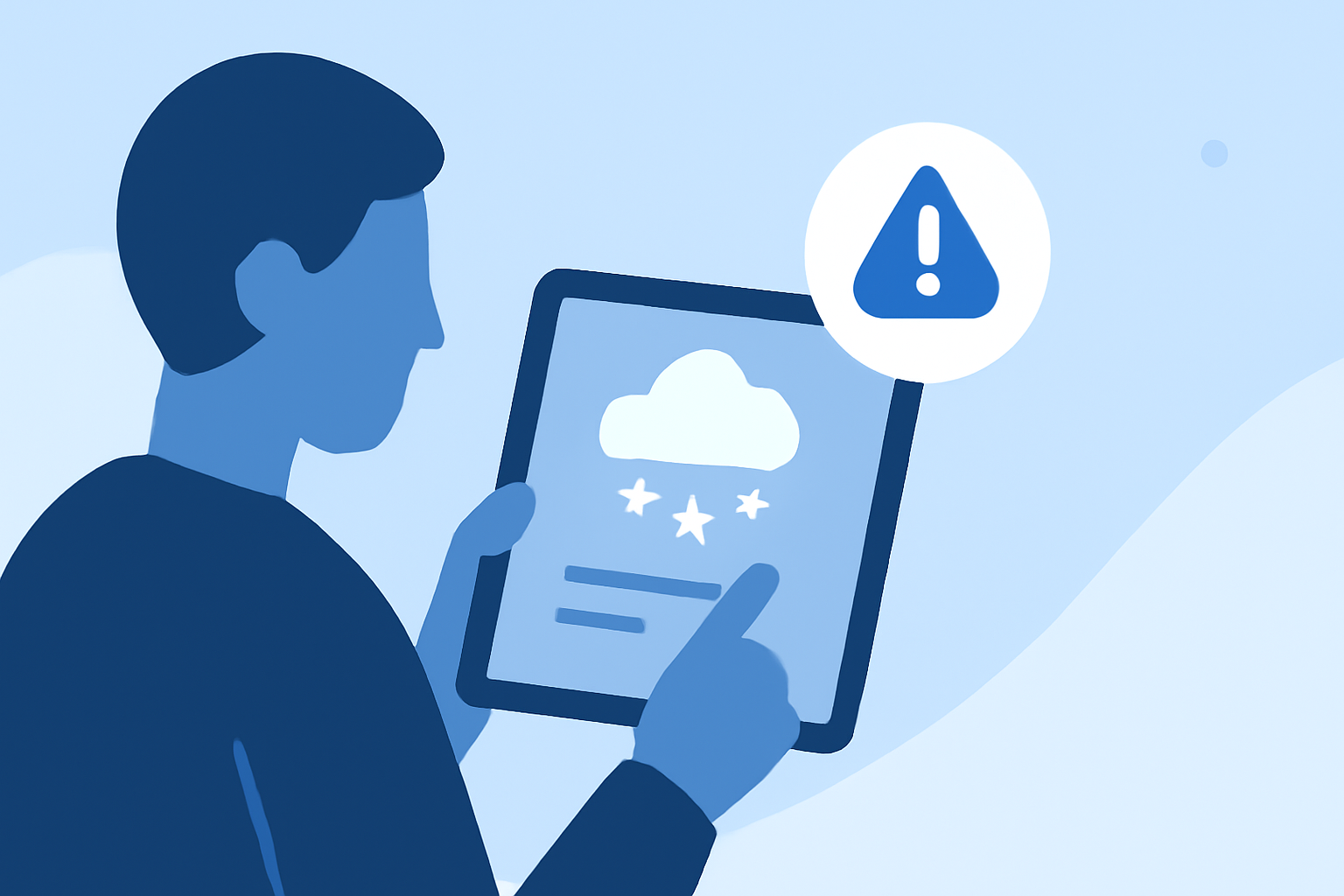
When it comes to checking winter weather outlooks on a tablet, users often fall into some common traps that can lead to misunderstandings and poor decision-making. To enhance your experience, we recommend utilizing Clime for its NOAA-based accurate radar visuals and forecasts, while always verifying critical information against official sources during severe winter conditions.
Summary
- Be wary of long-range forecasts, which can be misleading in rapidly changing weather.
- Consider how the tablet's interface affects information presentation and decision-making.
- Use weather apps thoughtfully, especially during severe winter storms, to avoid informational traps.
- Set alerts for specific conditions to remain informed without constantly checking the app.
What Are Common Mistakes to Avoid?
When using a tablet for winter weather forecasts, users often overlook specific details that can lead to misconceptions. Common mistakes include:
- Overreliance on Long-Range Forecasts: Many apps attempt to provide detailed forecasts far into the future, but these can mislead users about imminent winter weather. Rapid changes in conditions are particularly prevalent during winter storms, making it crucial to check for updates frequently.
- Neglecting Interpretation Context: Users may fail to understand the limitations of forecast models. Each model presents data differently, and without context, forecasts may seem more definitive than they are. Understanding the range of possibilities rather than a single outcome can help in decision-making.
How Does Tablet UI Impact Weather Interpretation?
The user interface (UI) and screen size of your tablet can significantly influence how weather information is presented:
- Visual-Cognitive Load: Tablets often present more data than smaller devices. However, this can overwhelm users, especially in a moment of decision-making during storms. Focus on key alerts rather than all available data to make informed choices.
- Ease of Navigation: Some apps have complex menus that make finding specific information difficult. Look for apps that allow quick access to critical alerts or customize display settings to enhance clarity and ease of use.
Evaluating Forecast Reliability
To maintain accuracy in winter weather outlooks, it is essential to evaluate different weather apps:
- Cross-Check Multiple Sources: Not all apps provide the same level of detail or accuracy. Compare outlooks from a few trusted platforms to find consensus, especially during severe weather events. This can help avoid relying solely on one source's potentially inaccurate forecast.
- Use Apps That Integrate Multiple Models: Some applications incorporate data from several meteorological models to provide broader insights, which can enhance reliability during extreme conditions.
Verifying Winter Storm Forecasts with Official Sources
Always cross-reference your weather app data with official sources:
- Official Meteorological Services: Websites of national meteorological services (like NOAA) offer real-time data that can validate or clarify what your app is reporting.
- Local News Stations: Often, local broadcast meteorologists provide insights tailored to your area, which can be crucial for localized predictions of winter weather.
Setting Up Alerts and Notifications
Effective use of alerts can significantly improve your winter weather preparedness:
- Customizable Notifications: Many weather applications allow you to set alerts for specific weather conditions. By customizing what alerts you receive, you can avoid unnecessary notifications and focus on critical updates during various winter scenarios.
- Monitoring Severe Alerts: Prioritize alerts related to severe weather warnings, as these can indicate immediate threats and allow you to take action before conditions worsen.
Conclusion: What We Recommend
- Select Reliable Sources: Use Clime for its intuitive UI and reliable NOAA-based radar visualizations, ensuring quick access to updated forecasts.
- Regularly Check Forecasts: Stay updated on any new information, especially as conditions change rapidly in winter storms.
- Know Your Alerts: Personalize your alert settings to target only what is necessary for your circumstances, enhancing your decision-making under stress.
- Foster a Multi-Source Approach: Always weigh information from multiple trusted providers to reinforce your understanding and preparedness against winter weather.