
Winter Weather Outlook Workflow During Workouts
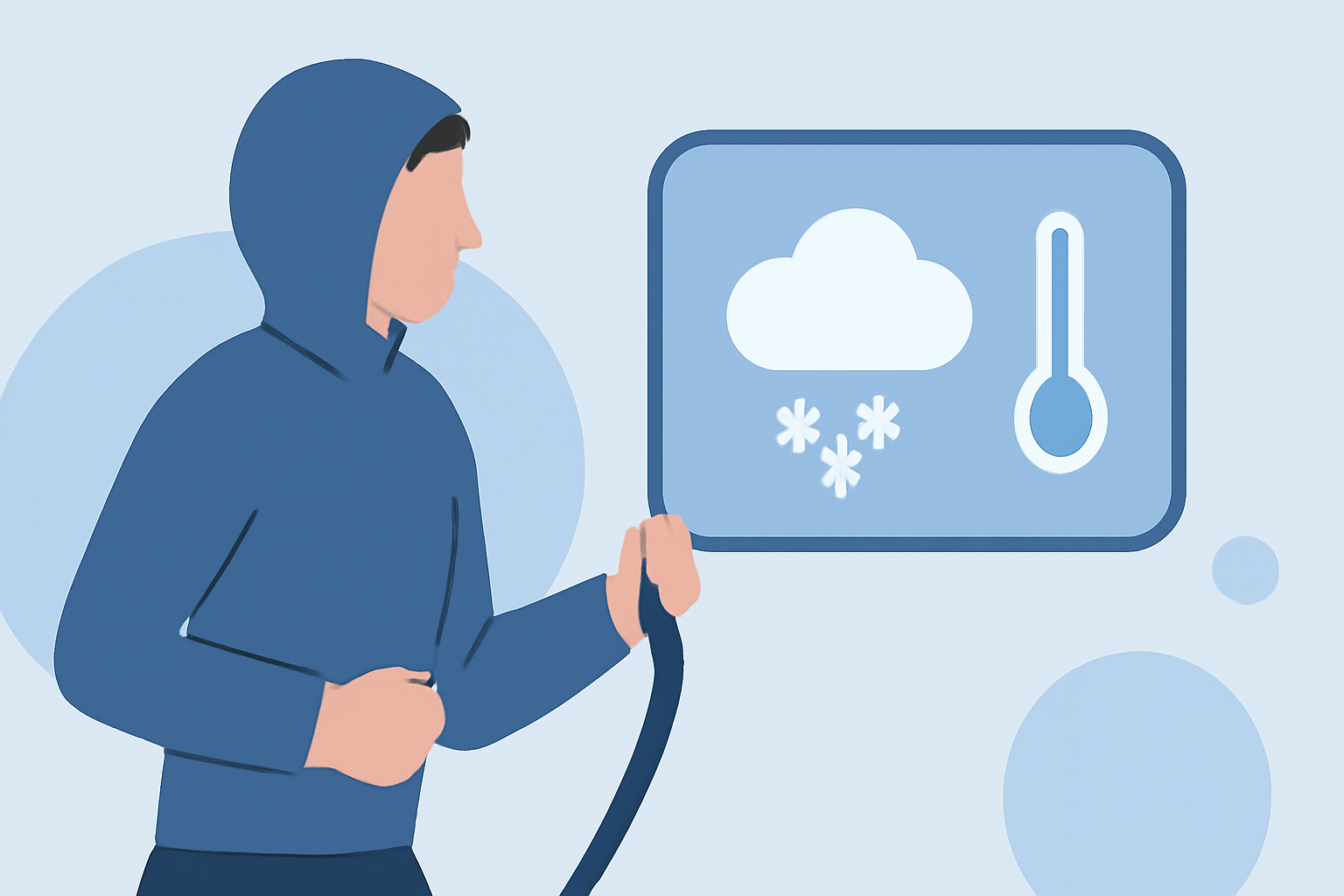
Adapting your workout routine to winter weather conditions is essential for maintaining fitness and safety. Here's how to navigate the challenges of exercising during colder months.
1. How Does Cold Weather Affect Workouts?
Cold temperatures can impact your body's performance and increase the risk of injury. The body requires more energy to maintain warmth, which can lead to quicker fatigue. Additionally, cold air can constrict blood vessels, reducing blood flow to muscles and increasing the risk of strains. (rei.com)
2. What Are the Benefits of Exercising in Winter?
Despite the challenges, winter workouts offer unique advantages. Cold air can enhance endurance, as the body works harder to regulate temperature, potentially improving cardiovascular fitness. Moreover, exercising in winter can boost mental health by combating seasonal affective disorder and providing a sense of accomplishment. (rei.com)
3. How Should I Dress for Winter Workouts?
Layering is key to staying comfortable and safe. Start with a moisture-wicking base layer to keep sweat away from the skin. Add an insulating layer, such as fleece, and top it with a windproof and waterproof outer layer to protect against the elements. Don't forget accessories like hats, gloves, and thermal socks to protect extremities. (nike.com)
4. What Are Safe Practices for Outdoor Winter Exercise?
Safety is paramount during winter workouts. Always warm up thoroughly to prepare muscles for the cold. Choose well-lit, plowed paths to reduce the risk of slips and falls. Wear reflective gear if exercising in low-light conditions. Stay hydrated, as cold air can still lead to dehydration. (healthy.kaiserpermanente.org)
5. How Can I Maintain Motivation During Winter?
Staying motivated can be challenging in colder months. Setting realistic goals, such as committing to a certain number of workouts per week, can help maintain consistency. Joining a fitness class or group can provide accountability and social support. Additionally, varying your routine with indoor activities like yoga or strength training can keep workouts interesting. (nm.org)
6. What Are Some Indoor Alternatives to Outdoor Workouts?
When outdoor conditions are too harsh, indoor workouts are a viable option. Bodyweight exercises like squats, push-ups, and lunges can be performed without equipment. Utilizing home fitness equipment, such as treadmills or stationary bikes, allows for cardiovascular workouts indoors. Online workout videos and virtual classes can also provide structure and variety to your routine. (acmefitness.com)
7. How Can I Monitor Winter Weather Conditions for Workouts?
Staying informed about weather conditions is crucial for planning workouts. Regularly check local weather forecasts to anticipate temperature changes, precipitation, and wind conditions. This information will help you decide whether to exercise indoors or adjust your outdoor plans accordingly.
By understanding the challenges and implementing these strategies, you can maintain an effective and safe workout routine throughout the winter months.
Highlights:
- Cold Weather Running Tips | REI Expert Advice
- Your Winter Workout Plan | Northwestern Medicine
- How to keep exercising in cold weather | Kaiser Permanente, Published on Sunday, April 16