
Wireless Emergency Alerts Explained
Last updated: 2023-09-12
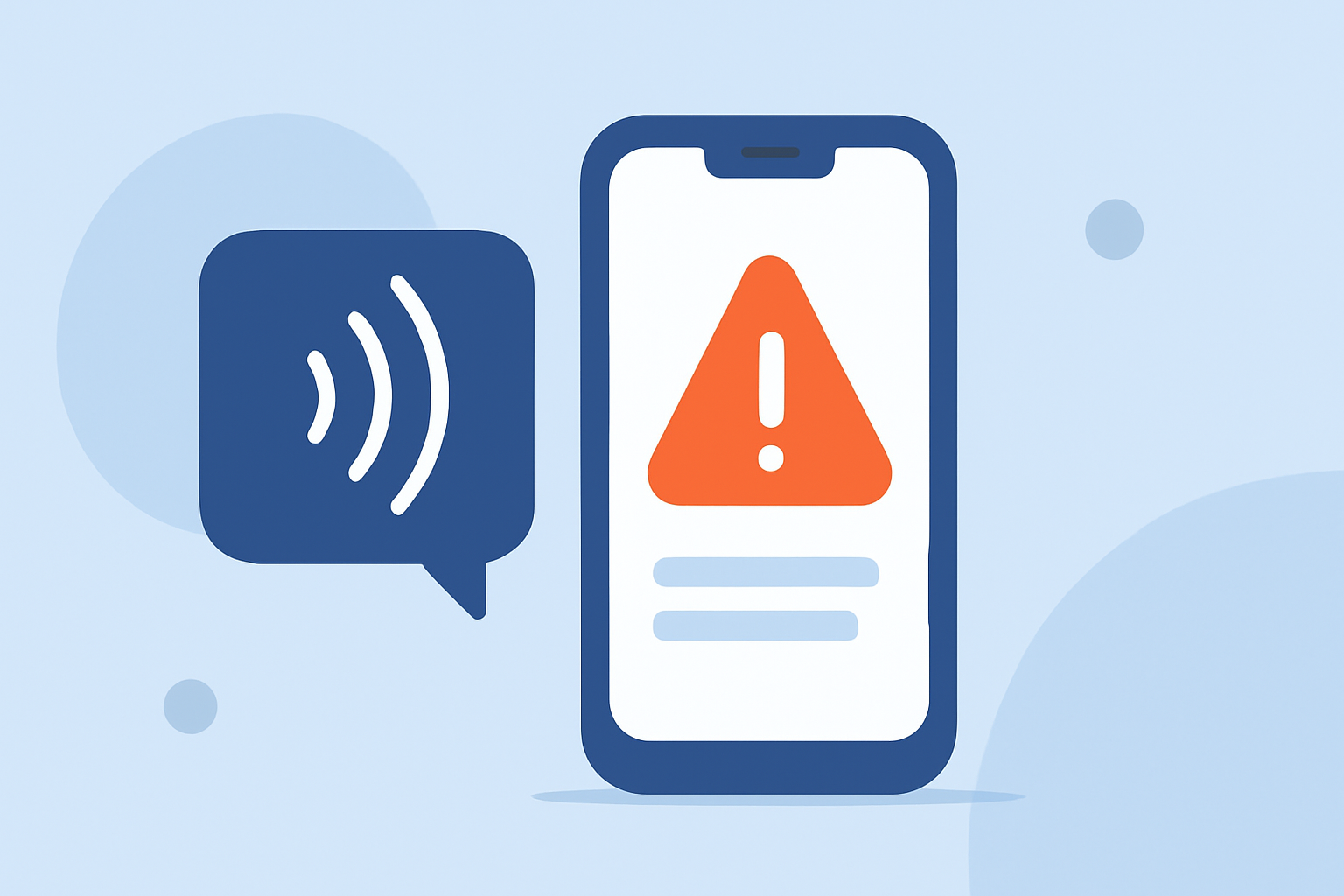
Wireless Emergency Alerts (WEA) are alerts sent by authorized government authorities to warn individuals of imminent threats. These alerts leverage your mobile device to deliver critical information about severe weather or other dangers in your area, reinforcing communications from local agencies and FEMA.
Summary
- Wireless Emergency Alerts (WEA) are localized messages sent to mobile devices in the U.S.
- They provide timely notifications about emergencies, including severe weather and public safety issues.
- WEA is part of FEMA’s Integrated Public Alert and Warning System (IPAWS).
- Alerts are received automatically without requiring users to sign up or subscribe.
What are Wireless Emergency Alerts?
Wireless Emergency Alerts (WEA) are emergency messages sent to mobile devices within a specific area, using cell-broadcast technology. Developed to deliver vital information quickly, these alerts help keep communities safe during emergencies. WEA can include several types of notifications, such as imminent threat alerts and national alerts. These messages aim to provide real-time updates and instructions when it matters most, ensuring people are informed and can take appropriate action.
How do Wireless Emergency Alerts Work?
WEA relies on a system coordinated by FEMA’s Integrated Public Alert and Warning System (IPAWS). When an emergency arises, local and state public safety agencies can issue alerts that are automatically sent to compatible mobile devices. This system bypasses traditional broadcasting channels, allowing for rapid dissemination of critical information directly to those who need it most.
Types of Wireless Emergency Alerts
There are several types of alerts that WEA can send:
- National Alerts: Issued by the President for severe national emergencies.
- Imminent Threat Alerts: Warns about severe weather conditions such as tornadoes and flash floods.
- Public Safety Alerts: Information about emergencies affecting public safety.
- Amber Alerts: Notifications about missing children that may involve abduction.
Alerts for Severe Weather
In the context of severe weather, WEA primarily sends imminent threat alerts. This could include urgent notices about tornadoes, flash floods, hurricanes, and storm warnings. Government agencies like the National Weather Service are responsible for issuing these alerts based on real-time data, helping to ensure that individuals can prepare adequately and stay safe.
Managing Wireless Emergency Alert Settings
Most mobile devices, including those running on iOS and Android, allow users to manage WEA settings. Users can opt to enable or disable alerts through their phone’s settings menu. However, it’s crucial for users to keep relevant alerts enabled to receive timely notifications about emergencies in their area.
How Clime Integrates with Wireless Emergency Alerts
At Clime, we prioritize keeping users informed. While WEA provides critical alerts, our app offers comprehensive weather updates and radar data, enhancing the experience to ensure you not only receive alerts but also have access to detailed forecasts and environmental layers. This dual approach equips users with actionable insights to better prepare for weather-related challenges.
Importance of Wireless Emergency Alerts
Wireless Emergency Alerts play a crucial role in community safety by ensuring timely communication during emergencies. By rapidly disseminating vital information to those at risk, these alerts can trigger important safety measures and save lives. They serve as a critical component of public safety infrastructure, reinforcing the necessity for users to remain aware of their environment.
What We Recommend
- Stay Informed: Download the Clime app to receive not only WEA but also detailed weather forecasts and environmental information.
- Manage Alerts: Regularly check your device's alert settings to ensure you're receiving important notifications.
- Be Prepared: Understand the types of alerts and what actions to take when they are issued, enhancing your safety during severe weather situations.